Eco-points in natural region D67
Schwäbisch-Oberbayerische Voralpen
Eco-points and compensation land in the natural region D67 Schwäbisch-Oberbayerische Voralpen. greeNature develops compensation measures true to the natural region under BayKompV and supports project developers from the land to the approval.
Natural region D67 at a glance
The natural region D67 Schwäbisch-Oberbayerische Voralpen forms the northern mountain edge of the Bavarian Alps. It stretches as a long band from the Allgäu in the west, across the Werdenfelser Land and the Mangfallgebirge, to the Chiemgauer Alpen in the east. Between the gently undulating Voralpines Hügel- und Moorland (D66) in the north and the high peaks of the Nördliche Kalkalpen (D68) in the south, it forms a scenic transition between the foothills and the high mountains.
Geologically, two units define the natural region. In the northern part, the Flysch zone dominates, with soft marls and sandstones that produce rounded, often landslide-prone mountain forms and water-rich slopes. To the south, the Helveticum adjoins with harder limestones, which forms more rugged rock ridges. The high rainfall at the northern edge of the Alps, intensified by orographic effects, produces a cool, damp climate and a dense network of mountain torrents, ravines and spring outflows.
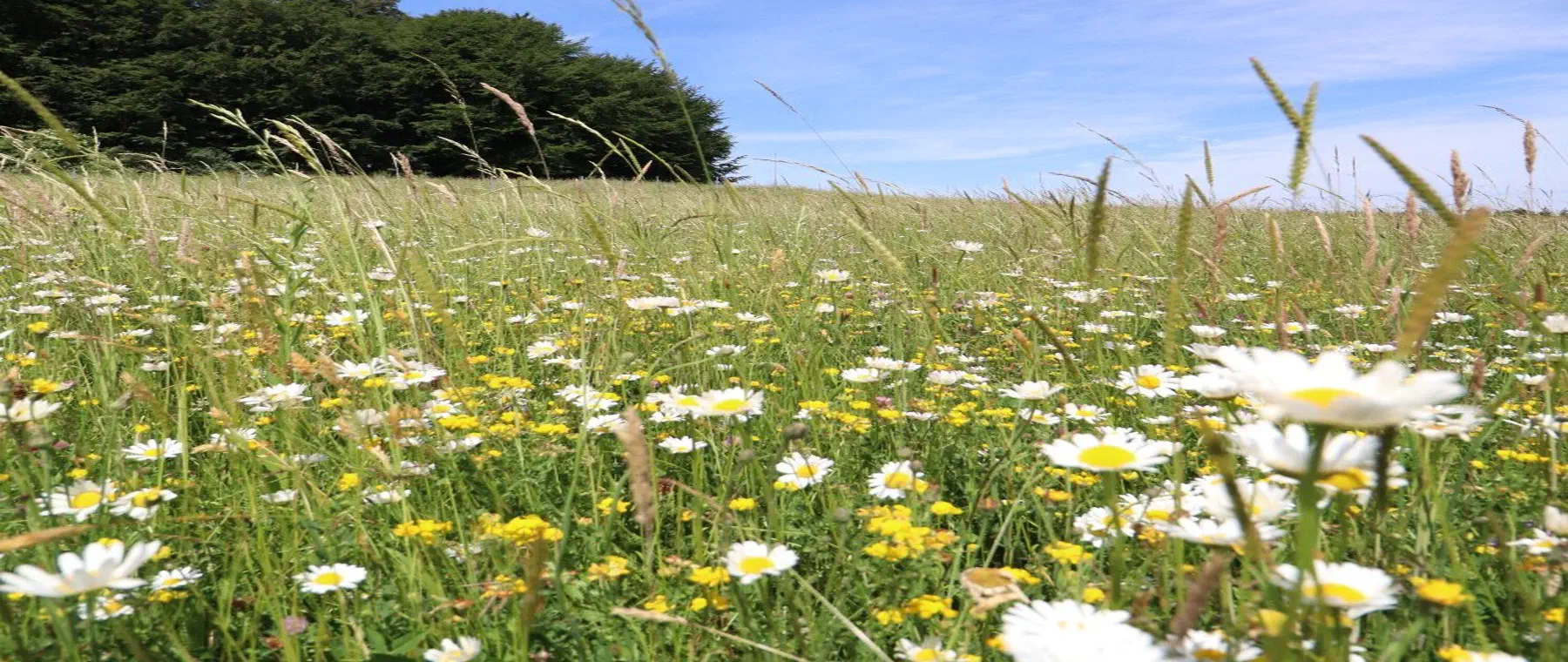
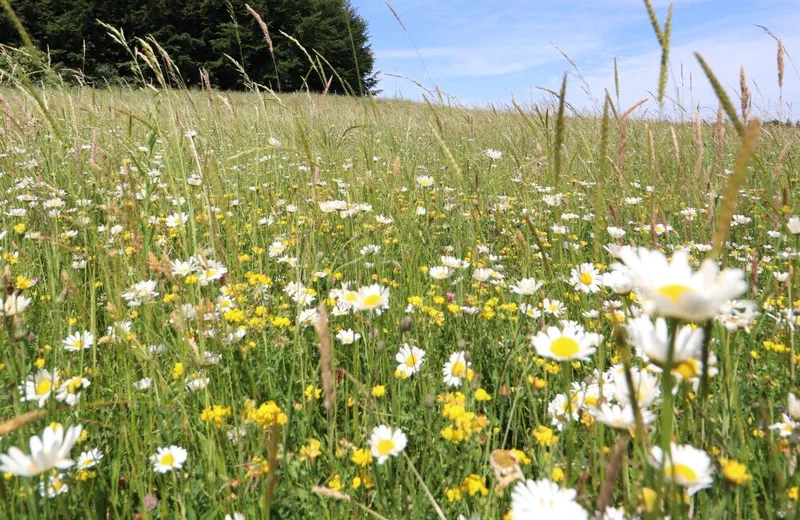
Ecologically, the natural region is a mosaic of mixed mountain forests with beech, fir and sycamore maple, species-rich mountain hay meadows, calcareous grassland and moist slope and spring bogs. Near-natural mountain streams with riparian woodland and gravel banks run through the valleys. This diversity of habitats in a confined space makes the pre-Alps one of the most valuable landscape areas in Bavaria.
Numerous protected species find habitat here, from the golden eagle to various bat species and the hazel dormouse to the yellow-bellied toad, which benefits from the loamy flysch soils. Large nature reserves such as the Ammergebirge, the Geigelstein and the Mangfallgebirge secure large parts of the natural region. For impacts, compensation under BayKompV applies, whereby compensation measures are to be implemented, as far as possible, true to the natural region within the same natural region.
📍 Districts covered
🌿 Ecological features
- Northern mountain edge of the Bavarian Alps between the Alpine foothills and the high mountains
- Flysch zone with soft, water-rich and landslide-prone mountain forms
- Very high rainfall due to orographic effects at the northern edge of the Alps
- Species-rich mountain hay meadows (FFH habitat type 6520) and calcareous grassland
- Near-natural mountain torrents, ravines and spring bogs with high structural diversity
- Extensive nature reserves such as the Ammergebirge, the Geigelstein and the Mangfallgebirge
✅ greeNature in this region
greeNature develops and manages compensation land specifically within the natural region D67. For project developers from the pre-Alpine districts, this means that compensation and replacement measures arise where the impact takes effect, thereby meeting the BayKompV requirement of staying true to the natural region. Through an eco-account, measures can be brought forward and the resulting eco-points documented in a legally sound way, so that they are available at short notice for urban land-use planning, infrastructure or commercial projects when required. From land selection through technical planning to permanent management, we support the entire process.
Typical measures in natural region D67
Mixed mountain forest conversion
Conversion of structurally poor spruce plantations into climate-stable mixed mountain forests of beech, fir and sycamore maple. This strengthens water retention, soil protection and habitats for capercaillie, bats and the hazel dormouse.
Mountain stream restoration
Restoration of near-natural mountain torrents with riparian woodland, deadwood and continuous streambeds. Such measures promote aquatic fauna and connect moist habitats in the valleys.
Extensive mountain hay meadows
Management and restoration of species-rich mountain hay meadows (FFH habitat type 6520) through late mowing and forgoing fertilisation. They provide food and breeding space for insects, meadow-breeding birds and butterflies.
Calcareous grassland and pasture management
Scrub clearance and extensive grazing of calcareous grassland on warm, dry slopes. These sites are of high importance for the sand lizard, Apollo butterfly and a species-rich flora.
Slope bogs and small water bodies
Rewetting of slope and spring bogs, as well as the creation of sunny ponds and small water bodies. These provide spawning habitats for the yellow-bellied toad and other amphibians and bind carbon in the soil.
Habitat trees and deadwood
Permanent retention of old and habitat trees, enrichment with deadwood and provision of additional bat roosts. As CEF measures, they secure breeding sites and resting places within the meaning of § 44 BNatSchG.
Protected species in the Schwäbisch-Oberbayerische Voralpen
Golden eagle
The golden eagle breeds on the rock faces of the pre-Alps and uses the open slopes as hunting territory. It is regarded as an indicator species of low-disturbance mountain regions and benefits from quiet, extensively used landscapes.
Bats
Species such as the greater mouse-eared bat and the barbastelle use old mountain forests, caves and buildings as roosts. Habitat trees, deadwood and targeted roost provisions are important building blocks in species protection.
About this species ›Hazel dormouse
The hazel dormouse lives in structurally rich woodland edges, hedgerows and young forests of the pre-Alps. It is strictly protected and is sensitive to the loss of connected woody structures.
About this species ›Yellow-bellied toad
As a pioneer species, the yellow-bellied toad colonises sparsely vegetated small water bodies and puddles, of the kind that form on loamy flysch soils. New ponds and bare-ground sites promote its populations.
About this species ›Sand lizard
The sand lizard colonises warm, well-structured embankments, semi-natural grassland and woodland margins. As a strictly protected species, it must often be addressed through CEF measures in the case of impacts.
About this species ›Apollo butterfly
The Apollo butterfly flies over sunny calcareous grassland and rocky terrain in the pre-Alps. Its occurrence is closely tied to open, flower-rich sites with stonecrop as larval food plant.
Your route to eco-points in D67
Contact and enquiry
Tell us your compensation requirement and the natural region. We check availability.
Offer and advice
A transparent offer covering measure types, scope and availability.
Coordination with authorities
Full coordination with the lower nature conservation authority. We handle everything.
Long-term monitoring
Permanent securing of the land, management and documentation across the contract term.
Eco-points in neighbouring natural regions
All about natural region D67
Request eco-points in natural region D67
We will promptly prepare a transparent offer with matching eco-points held in stock in the Schwäbisch-Oberbayerische Voralpen.