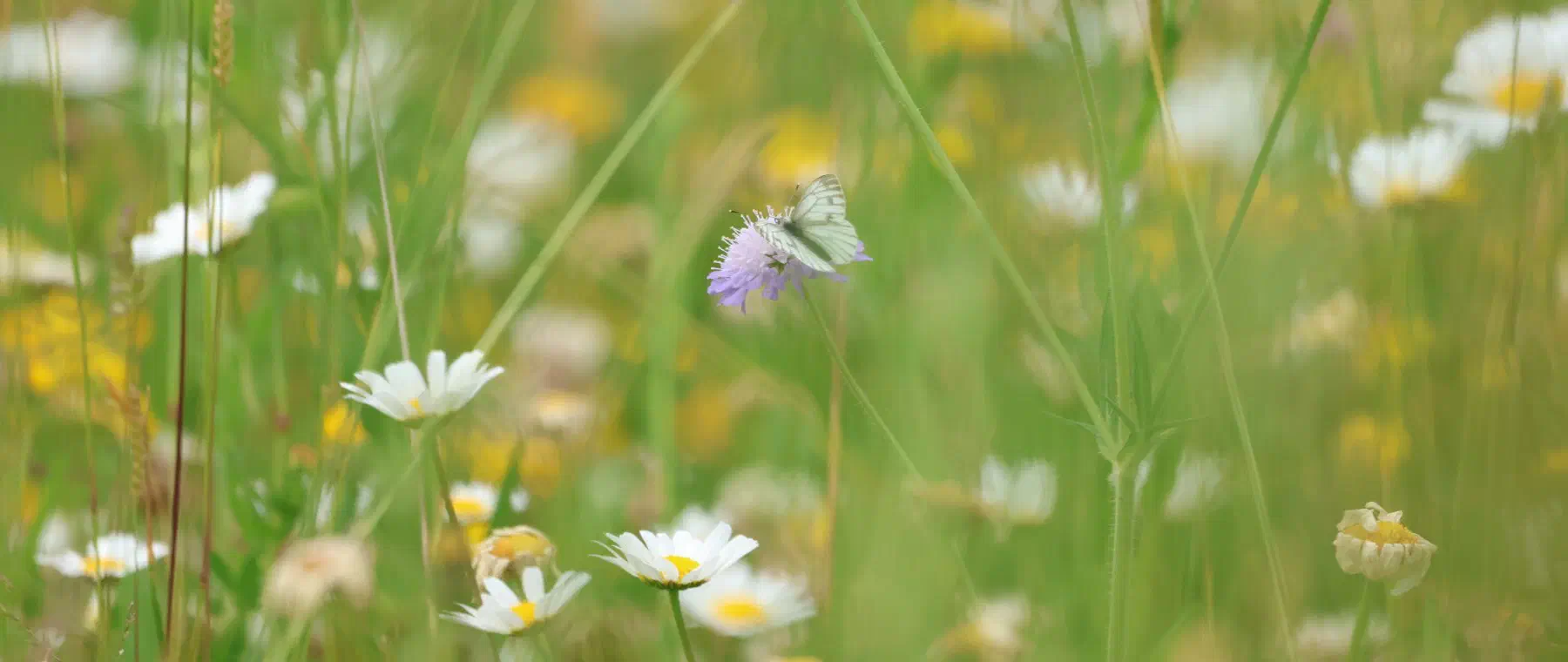
Eco-points in natural region D43
Moseltal
Eco-points and compensation in the natural region D43 Moseltal, the deeply incised shale valley between Trier and Koblenz. greeNature supports impact and compensation under the Landeskompensationsverordnung (LKompVO) in Rhineland-Palatinate, operating nationwide and familiar with the responsible authorities.
Natural region D43 at a glance
The natural region D43, Moseltal, runs as a deeply incised gorge from the confluence with the Saar at Trier to its entry into the Mittelrheinisches Becken at Koblenz. Over around 397 km², the valley, incised 150 to 300 metres deep, separates the Hunsrück to the south from the Eifel to the north. Numerous meander loops, with their alternation of undercut and slip-off slopes, give the course of the valley its characteristic form.
The subsoil consists of clay slate and greywacke. The mostly symmetrical valley profile runs from the narrow floodplain, covered with nutrient-rich alluvial loam, across a sandy-gravelly terrace to the steeply rising valley flanks with shallow raw soils. Where not planted with vines, the sun-facing slopes carry warmth-loving oak-hornbeam and oak-service tree woodland, as well as open rock outcrops and calcareous grassland on hot, dry sites.
Steep-slope viticulture is a defining feature, its share increasing from south-west to north-east towards the confluence with the Rhine. Abandoned vineyard terraces, historic dry-stone walls and xerothermic dry habitats form a mosaic of national importance. In the north-eastern section, numerous FFH sites are distributed in a mosaic, protecting dry and semi-dry grassland, rock outcrops and warm, dry hillside woodland.
For impact and compensation, the Landeskompensationsverordnung (LKompVO) applies in Rhineland-Palatinate on the basis of sections 13 to 15 BNatSchG. Recognised eco-account areas are recorded in the state-wide compensation register (KSP) and can be credited as advance measures. The special species protection under section 44 BNatSchG frequently requires advance compensation measures (CEF) in the Moseltal, as well as measures to maintain favourable conservation status (FCS).
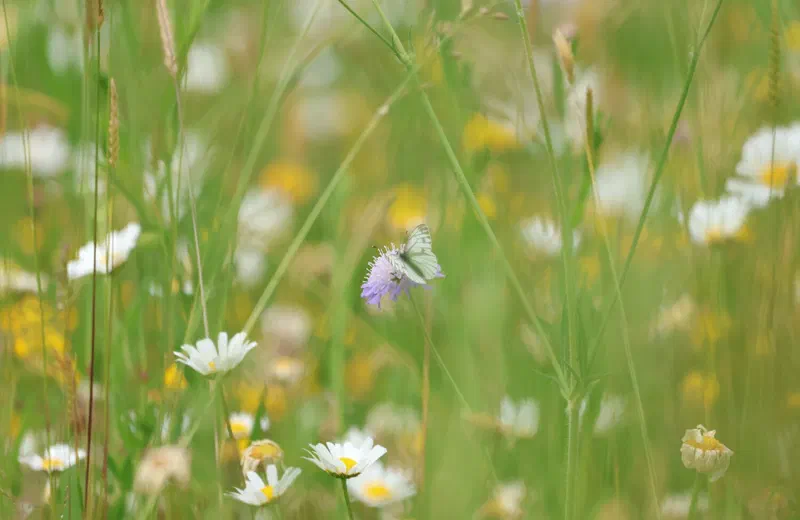
📍 Districts covered
🌿 Ecological features
- Steep vineyard slopes as a cultural landscape of European importance on the shale hillsides
- Xerothermic dry habitats, rock outcrops and calcareous grassland of national importance
- The Mosel Apollo butterfly, a population adapted to the shale slopes
- The eagle owl and rock bunting as rare cliff-nesting species of the steep valley flanks
- Historic dry-stone walls as a valuable secondary habitat for reptiles and insects
- Warmth-loving oak-service tree and oak-hornbeam woodland on the sun-facing slopes
- FFH sites in the north-eastern Moseltal with dry and semi-dry grassland
✅ greeNature in this region
greeNature operates nationwide and is familiar with compensation law in Rhineland-Palatinate. We know the requirements of the Landeskompensationsverordnung, the practice of the lower nature conservation authorities, and the management of eco-accounts in the compensation register (KSP). For projects in the Moseltal, we are your direct point of contact from measure planning to official recognition.
Typical measures in natural region D43
Keeping steep slopes open
Scrub clearance and management of abandoned vineyard terraces, to permanently preserve rock heaths, calcareous grassland and the typical cultural landscape of the sun-facing slopes.
Restoring dry-stone walls
Repair and rebuilding of historic dry-stone field walls as a secondary habitat for warmth-loving reptiles, wild bees and butterflies.
Traditional orchards and extensively managed grassland
Creation and management of traditional orchards and species-rich, extensively managed grassland in the side valleys and on the plateaus above the Moseltal.
Watercourse restoration
Restoration of the tributary streams of the Mosel with riparian woodland, streambed raising and the restoration of connectivity, as habitat for the kingfisher and amphibians.
CEF and FCS species protection
Tailored measures for the wall lizard, bat roosts in former slate adits, and cliff-nesting birds, aligned with section 44 BNatSchG.
Site-appropriate hillside woodland
Retention and development of warmth-loving oak-service tree and ravine woodland, and site-appropriate woodland development on the steep valley flanks.
Protected species in the Moseltal
Wall lizard and sand lizard
The sun-exposed vineyard walls and rock outcrops of the Moseltal are among the most important reptile habitats in Germany. Typical measures are dry-stone walls, field-stone ridges and sand lenses as sunlit refuges.
About this species ›Apollo butterfly and warmth-loving butterflies
On the shale slopes of the Mosel lives a population of the Apollo butterfly adapted to the steep terrain. Nutrient-poor grassland, rock heaths and flower-rich field margins secure the larval host plants and nectar sources of this highly specialised insect fauna.
Eagle owl and rock bunting
Steep shale faces and disused quarries provide nesting sites for the eagle owl and peregrine falcon, while the rock bunting inhabits the warm, dry, open slopes. Keeping the land open and establishing quiet zones are the central protection approaches here.
Bats
Former slate adits and mines in the Moseltal serve as winter roosts for the mouse-eared bat, Bechstein's bat and other species. Roost protection and the development of hunting grounds are proven compensation building blocks.
About this species ›Kingfisher and aquatic species
The kingfisher uses near-natural bank sections of the Mosel and its tributaries. Steep banks, riparian woodland and restored stream courses create breeding and foraging habitats along the waterways.
About this species ›Amphibians of the shale region
The midwife toad and yellow-bellied toad inhabit spring-fed slopes, quarries and small water bodies in the valley. The creation of ponds and sunlit spawning waters benefits these demanding species.
About this species ›Your route to eco-points in D43
Contact and enquiry
Tell us your compensation requirement and the natural region. We check availability.
Offer and advice
A transparent offer covering measure types, scope and availability.
Coordination with authorities
Full coordination with the lower nature conservation authority. We handle everything.
Long-term monitoring
Permanent securing of the land, management and documentation across the contract term.
Eco-points in neighbouring natural regions
All about natural region D43
Request eco-points in natural region D43
We will promptly prepare a transparent offer with matching eco-points held in stock in the Moseltal.