Eco-points in natural region D35
Kölner Bucht und Niederrheinisches Tiefland
Eco-points in the natural region D35 arise where Rhine floodplains, wet grassland and gravel or sand extraction sites are ecologically enhanced. greeNature develops and manages compensation areas true to the natural region under the state nature conservation act and the Eco-Account Ordinance NRW, from initial concept to long-term management.
Natural region D35 at a glance
The natural region D35, Kölner Bucht und Niederrheinisches Tiefland, extends on both sides of the Rhine from north of Düsseldorf to the Dutch border and, in the BfN classification, reaches south into the Kölner Bucht. It lies entirely within North Rhine-Westphalia and forms a broad, low-lying river-terrace landscape of the Rhine, Maas and their tributaries, with elevations mostly below 100 metres above sea level. The Atlantic-influenced climate, with mild winters largely free of snow and annual rainfall of between 700 and 800 mm, favours an intensively farmed cultural landscape that is also rich in water bodies.
Geologically, the area belongs to the northern part of the Niederrheinische Bucht, a subsidence basin in which thick layers of unconsolidated sediment were deposited over millions of years. Characteristic features include flat lower terraces, incised valley floors and floodplains, old river channels (known locally as Kendel), and the push moraine ridge of the Niederrheinische Höhen. In the Kölner Bucht, fertile loess Börde areas such as the Zülpicher and Jülicher Börde shape the landscape and support one of the most productive arable regions in Germany.
The Untere Niederrhein, with its Rhine floodplains, oxbows and extraction-pit waters, is ecologically outstanding. The Unterer Niederrhein EU Special Protection Area (SPA) and the associated wetland of international importance under the Ramsar Convention are among the most important resting and overwintering areas for Arctic wild geese in Central Europe, complemented by significant populations of meadow birds. Rows of pollard willows, small water bodies and remnants of floodplain woodland form a network of valuable habitats within the otherwise structurally poor farmland.
Compensation in North Rhine-Westphalia is governed by the impact mitigation regulation under sections 13 to 15 BNatSchG in conjunction with the state nature conservation act (LNatSchG NRW). Advance measures can be recorded as an eco-account under section 32 LNatSchG NRW and the Eco-Account Ordinance, with the ecological enhancement measured using a numerical assessment procedure in value points (eco-points). Because compensation and replacement measures must maintain a spatial and functional link to the impact, the selection of areas true to the natural region is of particular importance in the D35 area.
📍 Districts covered
🌿 Ecological features
- Unterer Niederrhein EU Special Protection Area, an internationally important resting and overwintering area for Arctic wild geese such as the white-fronted goose and bean goose.
- Wetland of international importance under the Ramsar Convention along the Rhine from Duisburg to the Dutch border.
- River-terrace landscape with floodplains, oxbows and old river channels (Kendel), together with the push moraine ridge of the Niederrheinische Höhen.
- Fertile loess Börde areas of the Kölner Bucht (Zülpicher and Jülicher Börde) forming an intensively farmed arable landscape and habitat for farmland birds.
- Numerous gravel and sand extraction sites that, as secondary habitats with steep faces, shallow-water zones and bare-ground sites, offer high potential for enhancement.
- Traditional pollard-tree landscape with pollard willows as habitat for the little owl, which has one of its state-wide strongholds on the Niederrhein.
- Atlantic-influenced lowland climate with mild winters largely free of snow.
✅ greeNature in this region
greeNature works nationwide and is familiar with the authorities and nature conservation law of North Rhine-Westphalia. We secure suitable land in the natural region D35, plan the enhancement, and coordinate it with the lower nature conservation authorities, the district governments and the state office for nature, environment and climate. Because advance measures can be recognised as an eco-account under section 32 LNatSchG NRW and the Eco-Account Ordinance, we develop compensation so that the enhancement is verifiably documented in eco-points using the numerical assessment procedure. Where there is a need for species protection under section 44 BNatSchG, we also design advance CEF measures that continuously safeguard the ecological function for the species affected. We provide implementation, long-term management and documentation from a single source.
Typical measures in natural region D35
Wet grassland and meadow bird protection
Extensification of grassland in the Rhine floodplains, the creation of shallow pools and damp patches, and adapted, late mowing. Such areas secure breeding and foraging grounds for the northern lapwing and black-tailed godwit and can be implemented as production-integrated compensation.
Reconnecting floodplains and oxbows
Reconnection of oxbows, development of softwood and hardwood floodplain forest, and the removal of bank reinforcement on the Rhine and its tributaries. Near-natural floodplains improve water retention and connect habitats along the river.
Restoring gravel and sand extraction sites
Nature-conservation design of former gravel-extraction areas with steep faces, shallow-water zones and bare-ground sites. As secondary habitats, they benefit the sand martin, kingfisher and warmth-loving species and achieve high enhancement values.
Pollard trees, Kendel and field copses
Management and new planting of rows of pollard willows, hedgerows and field copses along the Kendel and tracks. These features shape the Niederrhein cultural landscape and secure habitats for the little owl, cavity-nesting birds and insects.
Small water bodies for amphibians
Creation of new sunlit, fish-free ponds and shallow pools in floodplains and open farmland. As CEF measures under section 44 BNatSchG, they secure breeding sites for the great crested newt and natterjack toad and strengthen the habitat network.
Arable extensification in the Börde
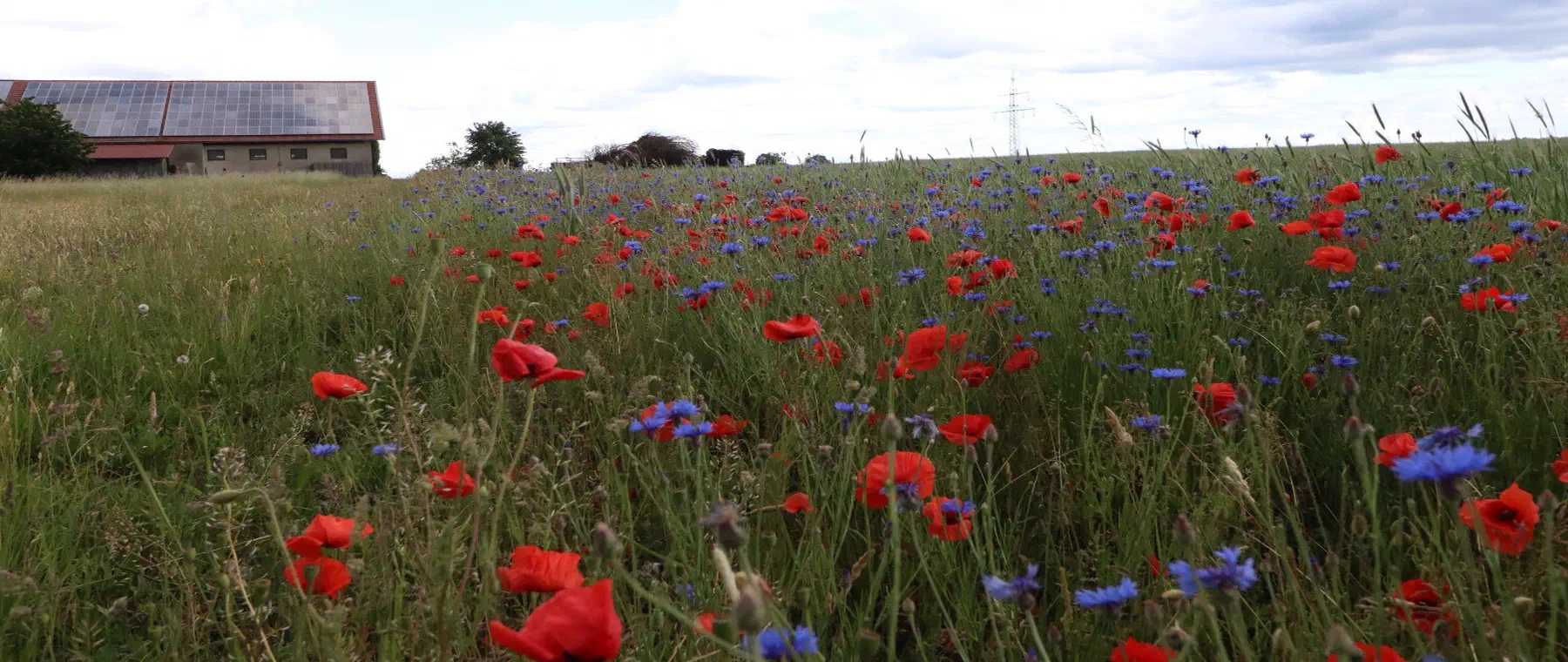
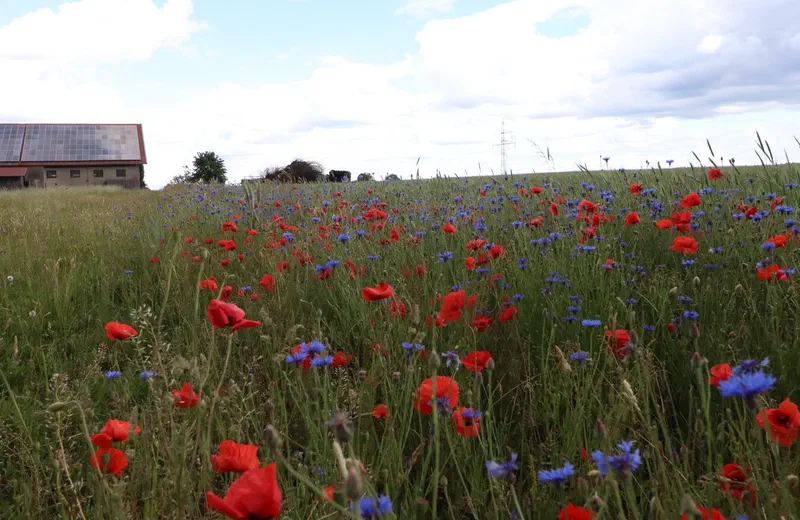
Creation of flowering areas, extensively managed field margins and skylark plots in the cleared loess Börde of the Kölner Bucht. These features benefit the skylark, grey partridge and European hamster and enhance the intensively farmed agricultural landscape.
Protected species in the Kölner Bucht und Niederrheinisches Tiefland
Northern lapwing
The northern lapwing breeds in the open meadows and arable landscapes of the Untere Niederrhein, but has declined sharply since the 1980s. It benefits from extensively managed wet grassland, shallow pools and late mowing, implemented through CEF and production-integrated measures.
About this species ›Little owl
The Niederrhein is a state-wide stronghold of the little owl. This small owl needs short-cropped grassland, old pollard trees and orchard meadows with cavities. The retention and new planting of pollard willows, together with extensive grazing, secure its habitat.
Kingfisher
The kingfisher inhabits oxbows, Kendel and extraction-pit waters. It needs near-natural banks with steep faces for breeding, as well as clear, fish-rich waters. Watercourse restoration and the creation of steep banks provide suitable habitats.
About this species ›Sand lizard
The sand lizard inhabits railway embankments, slopes, dykes and the dry margins of extraction sites. As a strictly protected species under section 44 BNatSchG, it frequently requires advance CEF measures for impacts, such as stone piles and sunlit field margins.
About this species ›Great crested newt
The great crested newt spawns in fish-free small water bodies in floodplains and open farmland. This species, listed in Annexes II and IV of the FFH Directive, benefits from the creation and connection of new sunlit spawning waters, which are well suited as a compensation measure.
About this species ›Bats
Floodplain forests, pollard trees, oxbows and buildings provide bats such as Daubenton's bat and the common noctule with roosts and hunting grounds. The retention of cavity trees and the safeguarding of water bodies as hunting habitat are effective measures.
About this species ›Your route to eco-points in D35
Contact and enquiry
Tell us your compensation requirement and the natural region. We check availability.
Offer and advice
A transparent offer covering measure types, scope and availability.
Coordination with authorities
Full coordination with the lower nature conservation authority. We handle everything.
Long-term monitoring
Permanent securing of the land, management and documentation across the contract term.
Eco-points in neighbouring natural regions
All about natural region D35
Request eco-points in natural region D35
We will promptly prepare a transparent offer with matching eco-points held in stock in the Kölner Bucht und Niederrheinisches Tiefland.