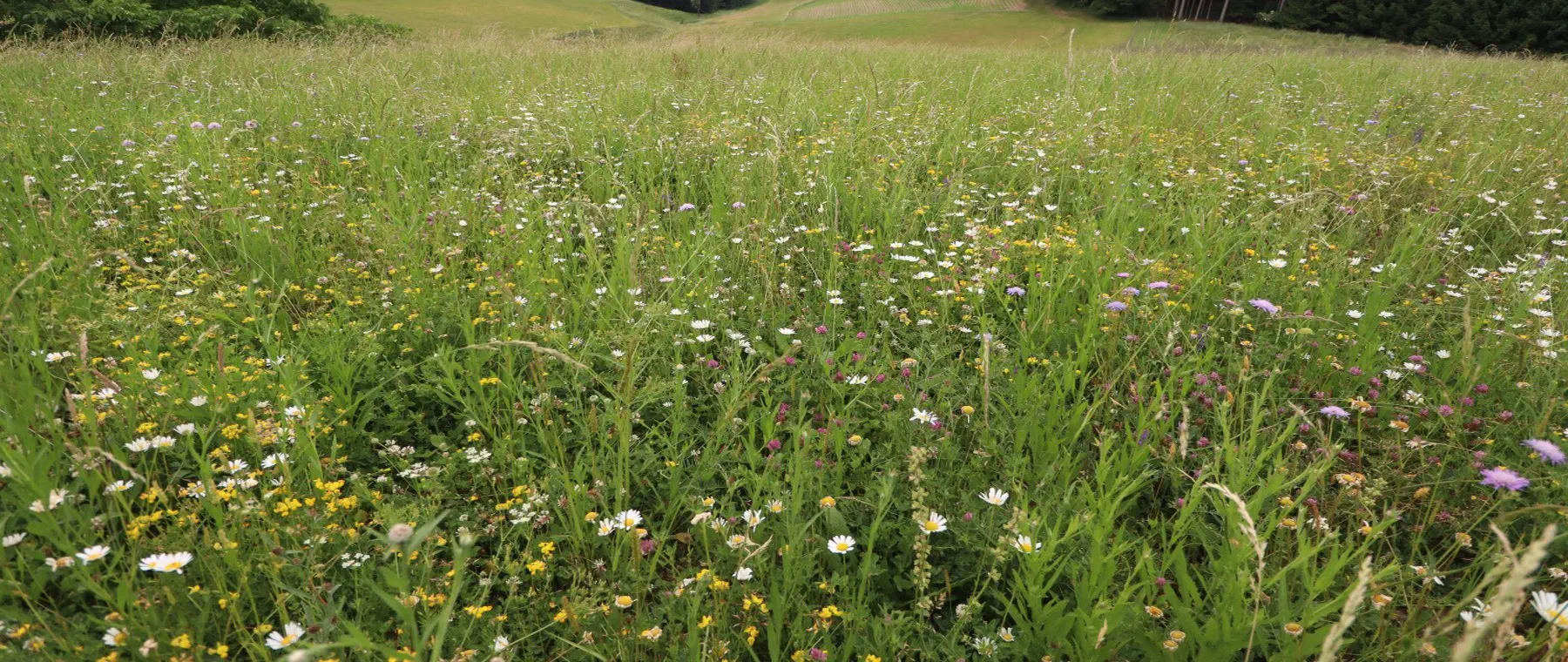
Eco-points in natural region D30
Dümmer Geestniederung und Ems-Hunte-Geest
Compensation and eco-points in the natural region Dümmer Geestniederung (D30) are governed, in Lower Saxony, by the impact mitigation regulation of the NAGBNatSchG with the biotope value procedure, and, in the North Rhine-Westphalia section, by the LNatSchG NRW. greeNature develops legally secure compensation measures nationwide and supports project developers from assessment through to recognition.
Natural region D30 at a glance
The Dümmer Geestniederung (BfN major natural region D30) extends over the south-west of Lower Saxony and, with a smaller part, into the north of North Rhine-Westphalia. This is a largely flat lowland that drops from about 60 to around 20 metres above sea level towards the north and west. Characteristic is the juxtaposition of valley sand flats, large-scale mires and small ground moraine plateaus, which is overtopped in a few places by terminal moraine ridges such as the Dammer Berge and the Ankumer Höhe, at over 140 metres.
The soils are dominated by sandy and mire sites, with loamy components added in the river valleys. The lowland is crossed by the Hunte, Hase, Große Aue and Vechte; in the central area lies the Dümmer, a shallow lake within the mire belt. The original vegetation included raised and fen mires, oak-birch woodland on sand, oak-hornbeam woodland on better sites, and alder carr woodland in the lowlands.
The Dümmer Nature Park and the EU bird protection area V39 Dümmer are among the most important breeding and resting areas for meadow birds in the North German interior. Rewetted wet meadows and extensive mires offer habitat for severely threatened species and make the natural region a focal point for grassland, mire and watercourse protection.
For compensation, Lower Saxony applies the impact mitigation regulation under §§ 13 to 15 BNatSchG in conjunction with the NAGBNatSchG. Compensation is accounted for through the biotope value procedure, expressed in eco-points, and recorded in the compensation register of the NLWKN. In the North Rhine-Westphalia section, the LNatSchG NRW and the NRW Eco-Account Ordinance apply. greeNature agrees measures and accounting with the respective responsible authorities.
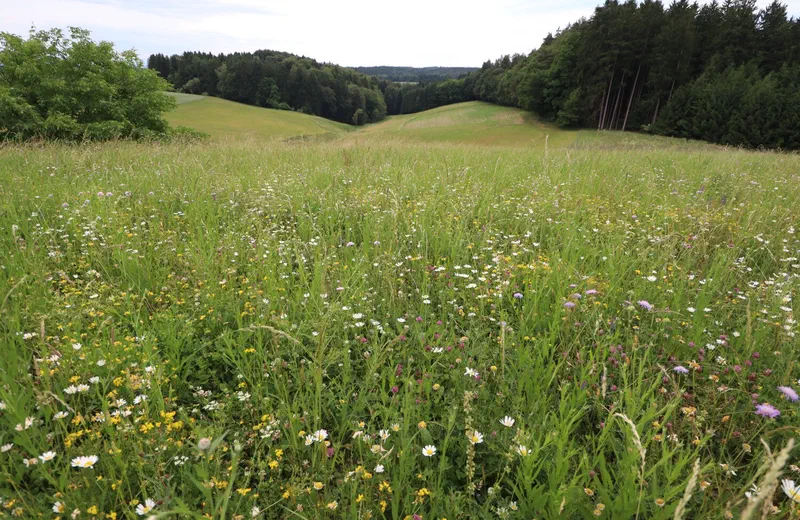
📍 Districts covered
🌿 Ecological features
- The Dümmer Nature Park and the EU bird protection area V39 Dümmer are among the most important meadow-bird areas in the North German interior.
- Large-scale raised and fen mires characterise the lowlands and offer potential for rewetting and mire protection.
- The Dümmer, a shallow lake within the mire belt, is a breeding and resting area for numerous threatened bird species.
- The rivers Hunte, Hase, Große Aue and Vechte cross the natural region and connect floodplain and wetland habitats.
- Terminal moraine ridges such as the Dammer Berge and the Ankumer Höhe rise clearly above the flat surrounding land, at over 140 metres.
- The LIFE Wiesenvögel project shows how grassland extensification and rewetting support breeding populations.
✅ greeNature in this region
greeNature is active nationwide and knows the responsible authorities as well as the state law of both states in this natural region. In the main Lower Saxony section, we work with the biotope value procedure of the NAGBNatSchG and the compensation register of the NLWKN; in the North Rhine-Westphalia section, with the LNatSchG NRW and the NRW Eco-Account Ordinance. This allows measures to be aligned with the requirements of the respective nature conservation authority at an early stage.
Typical measures in natural region D30
Mire rewetting
Rewetting raised and fen mires stores carbon, restores mire habitats and creates high-value compensation sites in the lowlands.
Grassland extensification
Extensively used wet grassland with adapted water levels supports meadow birds such as the northern lapwing and black-tailed godwit and increases the habitat value.
Watercourse restoration
Restoring the Hunte, Hase and Große Aue with riparian buffer strips and floodplain development improves the habitat network along the river lowlands.
Small water bodies and amphibian habitats
Newly created spawning waters and shallow scrapes create habitats for amphibians and the great crested newt and can be credited as compensation.
Site-appropriate forest conversion
Developing oak-birch and oak-hornbeam woodland from unnatural stands increases the ecological value of the geest sites.
Hedge banks and field copses
Creating and managing hedge banks and field copses structure the geest landscape and connect open and wooded habitats.
Protected species in the Dümmer Geestniederung und Ems-Hunte-Geest
Northern lapwing
The northern lapwing breeds in the wet grassland of the lowlands. Rewetting and extensive management secure its populations; CEF measures are often required for impacts.
About this species ›Skylark
The skylark inhabits the open arable land of the geest. Skylark plots and extensive field margins serve as advance CEF measures.
About this species ›Amphibians
The moor frog and other amphibian species use mires and small water bodies. New spawning waters and connected wetland habitats strengthen the populations.
About this species ›Great crested newt
The great crested newt is protected under FFH Annexes II and IV and needs fish-free, sunlit still waters. Creating suitable waters serves its preservation.
About this species ›Kingfisher
The kingfisher hunts on near-natural watercourses such as the Hunte and Hase. Steep banks for breeding and clean waters are a precondition for its presence.
About this species ›Bats
Bats use woodland, waters and buildings as hunting grounds and roosts. Preserving roost trees and guide structures secures their habitats.
About this species ›Your route to eco-points in D30
Contact and enquiry
Tell us your compensation requirement and the natural region. We check availability.
Offer and advice
A transparent offer covering measure types, scope and availability.
Coordination with authorities
Full coordination with the lower nature conservation authority. We handle everything.
Long-term monitoring
Permanent securing of the land, management and documentation across the contract term.
Eco-points in neighbouring natural regions
All about natural region D30
Request eco-points in natural region D30
We will promptly prepare a transparent offer with matching eco-points held in stock in the Dümmer Geestniederung und Ems-Hunte-Geest.