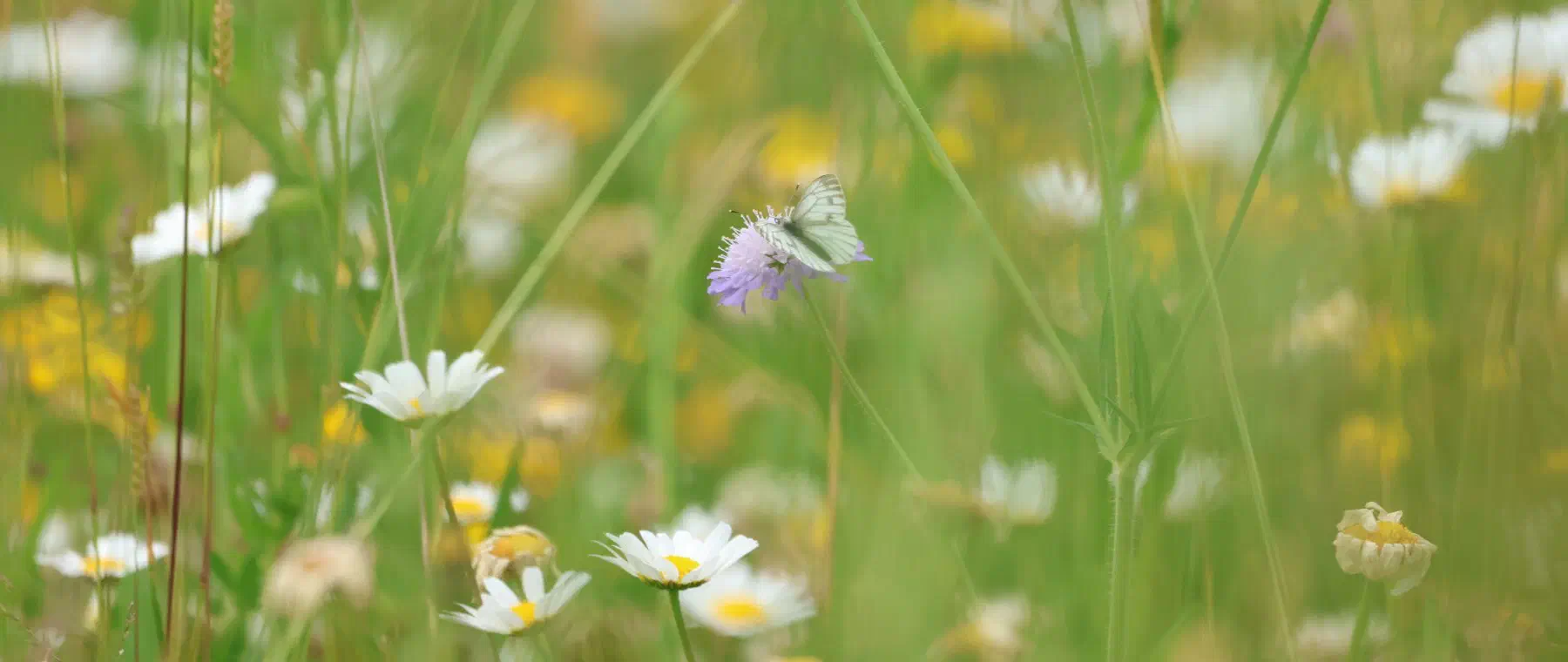
Eco-points in natural region D29
Wendland und Altmark
Eco-points and compensation sites in the natural region Wendland und Altmark, mainly in Saxony-Anhalt under the Eco-Account Ordinance, with a Lower Saxony share in the district of Lüchow-Dannenberg. greeNature supports projects nationwide from the impact assessment to the recognised measure.
Natural region D29 at a glance
Natural region D29 Wendland und Altmark lies in the middle of the North German lowlands and extends across the state border, from the Altmark in Saxony-Anhalt to the Wendland in the Lower Saxony district of Lüchow-Dannenberg. Defining features are an extensive old moraine area from the Saale glaciation, embedded geest islands such as Öring, Lemgow and the Langendorfer Geestinsel, and extensive areas of drift sand and dunes (such as the Gartower Flugsandanhöhe). Between these dry sites lie lowlands close to the water table, in places peaty. Because of the transitional climatic and biogeographical position and the comparatively sparse settlement, species-rich habitats have been preserved here.
Geologically, the area belongs to the North German ground moraine country, with periglacial sands and valley sands. Drainage takes place via the Jeetzel, Milde and Biese, as well as via the Ohre and the Mittellandkanal in the south; the Elbe borders it in the east. Extensive pine plantations, old mixed woodland, dry heaths and nutrient-poor sandy grassland shape the picture. With the Colbitz-Letzlinger Heide, this natural region contains Saxony-Anhalt's largest bird protection area by area, complemented by the Drömling Nature Park in the south-west and the habitat network of the Grünes Band along the former inner-German border.
For impacts on nature and landscape, the statutory impact mitigation regulation under §§ 13 to 15 BNatSchG applies. In the main state of Saxony-Anhalt, it is implemented through the state's Nature Conservation Act (NatSchG LSA) and the Eco-Account Ordinance, with assessment through a biotope value procedure in which the ecological condition before and after the measure is accounted for in value points per square metre. Advance compensation measures can be entered into an eco-account and later allocated to a specific impact. The Lower Saxony share in the district of Lüchow-Dannenberg is governed by the NAGBNatSchG and the biotope value procedure applied there.
In addition to area-based compensation, special species protection under § 44 BNatSchG must be observed. Where protected species are affected, advance compensation measures (CEF measures) secure the continuous ecological function of the breeding sites and resting places. greeNature develops and manages compensation and eco-account sites in this cross-border natural region, clarifies which nature conservation authority is responsible, and coordinates the assessment, recognition and securing of measures with the authorities of both states.
📍 Districts covered
🌿 Ecological features
- A cross-border natural region with two compensation systems (Saxony-Anhalt as the main state, a Lower Saxony share in Lüchow-Dannenberg)
- The Colbitz-Letzlinger Heide, Saxony-Anhalt's largest bird protection area by area, with extensive dry heaths and old mixed woodland
- The Grünes Band along the former inner-German border as a supra-regional habitat network
- The Drömling Nature Park in the south-west, with large-scale fen mires and ditch systems
- Geest islands (Öring, Lemgow, Langendorfer Geestinsel) and extensive drift-sand and dune areas
- Very sparse settlement, which has preserved species-rich habitats
- Adjoining the Elbe valley lowland in the east, with its floodplain and wetland habitats
✅ greeNature in this region
greeNature works nationwide and knows the requirements of both states in this natural region. In Saxony-Anhalt, assessment, the eco-account and recognition are governed by the NatSchG LSA and the Eco-Account Ordinance; in the Lower Saxony district of Lüchow-Dannenberg, by the NAGBNatSchG. We agree measures with the responsible lower nature conservation authorities and the Saxony-Anhalt State Administration Office, and ensure legally secure protection in the compensation register.
Typical measures in natural region D29
Heathland and nutrient-poor sandy grassland
Managing and restoring dry heaths and nutrient-poor sandy grassland on the nutrient-poor geest and drift-sand sites, for example through scrub clearance, turf stripping (plaggen) and extensive grazing.
Forest conversion to near-natural mixed woodland
Converting structurally poor pine plantations into site-appropriate broadleaf and mixed woodland with native tree species, to enhance habitat value and strengthen the woodland network.
Mire and lowland restoration
Rewetting fen mires and lowlands close to the water table by raising water levels, removing drainage, and developing reed beds and wet meadows.
Extensive grassland in the floodplains
Developing and extensively managing wet and marshy grassland in the river and valley lowlands as habitat for meadow-breeding birds and as a compensation site.
Watercourse and floodplain development
Restoring watercourses such as the Jeetzel, Milde and Ohre with near-natural banks, buffer strips and connected floodplain habitats.
Hedgerows, avenues and traditional orchards
Creating and managing hedgerows, field copses, avenues and traditional orchards to connect the open landscape and promote a structurally rich cultural landscape.
Protected species in the Wendland und Altmark
Black stork
Breeds in low-disturbance old woodland stands of the region and depends on clean, fish-rich streams and lowlands as a foraging area.
About this species ›Bats
Old broadleaf and mixed woodland, as well as cavity trees, offer roosts to species such as Bechstein's bat; under § 44 BNatSchG, roosts and guide structures must be secured.
About this species ›Great crested newt
Inhabits fish-free small water bodies and ponds in the lowlands; benefits from the creation and connection of new spawning waters.
About this species ›Northern lapwing
A meadow-breeding bird of the wet lowlands and grassland areas, whose populations depend on extensive grassland management and high water levels.
About this species ›Sand lizard
Inhabits sunlit sandy and heathland sites, woodland edges and embankments; CEF measures and relocations are often required for impacts.
About this species ›European wildcat
Finds suitable habitats and movement corridors in large, contiguous woodland areas such as the Colbitz-Letzlinger Heide and the Klötzer Forst.
About this species ›Your route to eco-points in D29
Contact and enquiry
Tell us your compensation requirement and the natural region. We check availability.
Offer and advice
A transparent offer covering measure types, scope and availability.
Coordination with authorities
Full coordination with the lower nature conservation authority. We handle everything.
Long-term monitoring
Permanent securing of the land, management and documentation across the contract term.
Eco-points in neighbouring natural regions
All about natural region D29
Request eco-points in natural region D29
We will promptly prepare a transparent offer with matching eco-points held in stock in the Wendland und Altmark.