Eco-points in natural region D27
Stader Geest
The Stader Geest (BfN major natural region D27) lies in the Lower Saxony Elbe-Weser triangle. For compensation and eco-points under the impact mitigation regulation of the NAGBNatSchG, greeNature supports project developers nationwide from the design of measures through to entry in the compensation register.
Natural region D27 at a glance
The Stader Geest extends over large parts of the Elbe-Weser triangle between Hamburg, Bremen and Cuxhaven and belongs almost entirely to the state of Lower Saxony. As a gently undulating geest landscape, it lies mainly between 10 and 50 metres above sea level. It is divided into the ground moraine plateaus of the Wesermünde-Geest, the Zevener Geest and the Achim-Verdener Geest, which are separated from one another by the lowlands of the Hamme, Oste and Wümme.
The natural region was shaped by the deposits of the Ice Age glaciation. Sandy, nutrient-poor soils on the geest ridges alternate with mire-rich river lowlands. Characteristic are extensive raised bogs such as the Hohes Moor, as well as the peaty valleys of the Oste and Wümme, which still determine the water balance and habitat character of the region today.
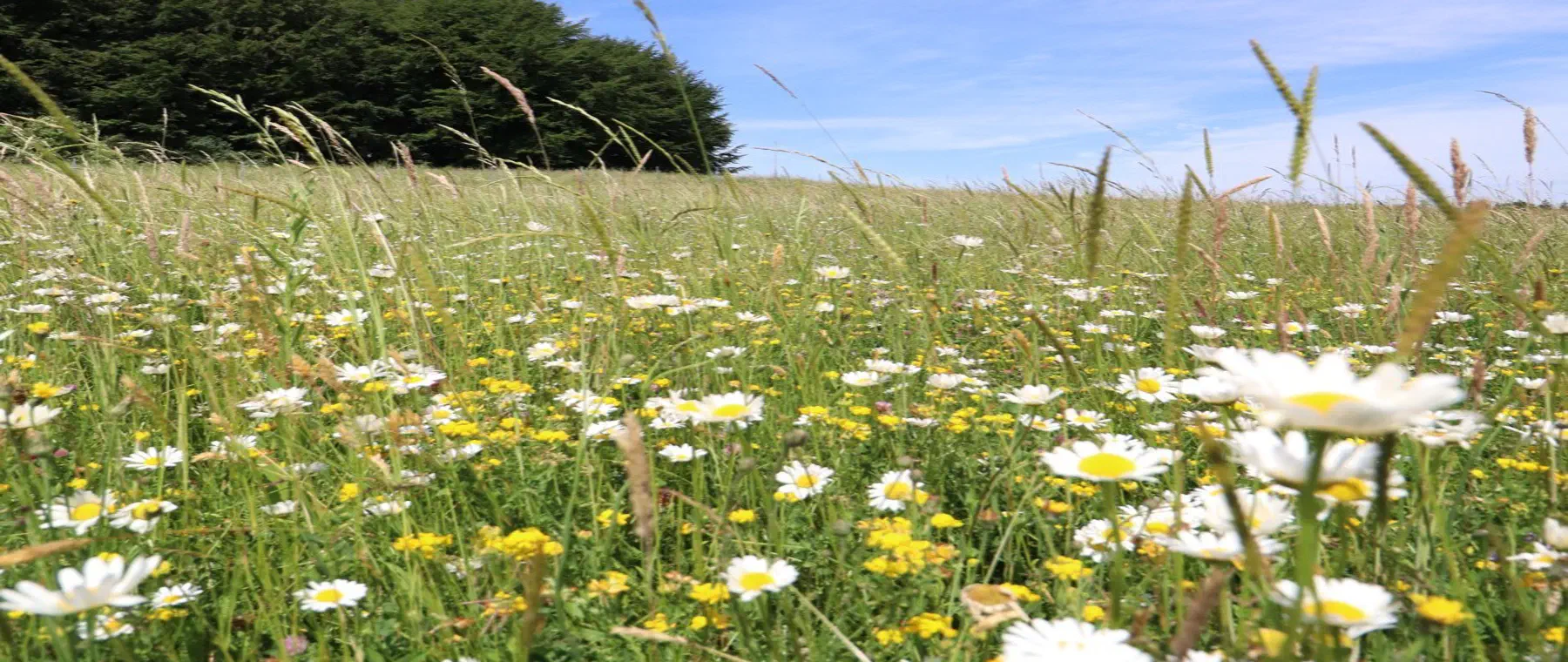
Ecologically, the Stader Geest is a mosaic of raised and transitional mires, wet and sandy heaths, carr woodland and extensively used grassland. The near-natural watercourses, above all the Wümme with its tributaries, are home to threatened fish and lamprey species as well as the Eurasian otter. Extensive areas are of state-wide importance as breeding grounds for meadow birds and large birds such as the Eurasian curlew, common crane, red kite and black stork. Numerous sites are protected as FFH sites, EU bird protection areas and nature reserves.
For impacts on nature and landscape, the statutory impact mitigation regulation under §§ 13 to 15 BNatSchG applies in Lower Saxony, in conjunction with the NAGBNatSchG. The extent and value of the impact and compensation are determined through the Lower Saxony biotope value procedure and expressed in eco-points. Advance measures can be stockpiled through an eco-account, and recognised compensation is recorded in the compensation register under the NKompVzVO. Species protection requirements under § 44 BNatSchG, such as advance CEF measures, must be considered separately.
📍 Districts covered
🌿 Ecological features
- A natural region at the heart of the Elbe-Weser triangle, between the Elbe marsh and the Weser marsh
- Subdivided into the Wesermünde-Geest, the Zevener Geest and the Achim-Verdener Geest
- Extensive raised bogs such as the Hohes Moor, as peat-rich habitats relevant to climate
- Peaty river and valley lowlands of the Oste, Wümme and Hamme
- Near-natural watercourses of importance for threatened fish, lampreys and the Eurasian otter
- State-wide significant breeding grounds for meadow birds and large birds such as the Eurasian curlew, common crane and black stork
- Numerous FFH sites, EU bird protection areas and nature reserves
✅ greeNature in this region
greeNature is active nationwide and familiar with the administrative structures in Lower Saxony. We agree measures with the lower nature conservation authorities of the districts and the NLWKN, know the biotope value procedure and the requirements for the compensation register under the NKompVzVO, and support project developers from concept through to the legally secure protection of the sites.
Typical measures in natural region D27
Mire restoration
Rewetting and regenerating raised and transitional mires to preserve peat bodies, store carbon and develop mire-typical habitats.
Extensifying lowlands
Raising water levels and extensive grassland management in the valleys of the Oste, Wümme and Hamme to promote wet grassland and meadow birds.
Meadow-bird protection
Developing wet and marshy grassland with adapted mowing and grazing as breeding and foraging habitat for the curlew, northern lapwing and other meadow birds.
Heathland and nutrient-poor grassland
Managing and newly developing sandy heaths and nutrient-poor grassland on the nutrient-poor geest ridges through scrub clearance, grazing and turf stripping (plaggen).
Site-appropriate forest conversion
Converting structurally poor conifer plantations into native broadleaf and carr woodland such as alder carr, and oak-birch and oak-hornbeam woodland.
Restoring watercourses
Near-natural development of streams and rivers with floodplain forest strips and watercourse buffer strips for connectivity and structural diversity.
Protected species in the Stader Geest
Black stork
The black stork breeds in low-disturbance, wet woodland and uses the river and mire lowlands of the Stader Geest as a foraging habitat. For projects in its vicinity, low-disturbance periods and the protection of breeding woodland are decisive.
About this species ›Moor frog and amphibians
The moor frog and other amphibians inhabit the mire and wetland areas, for example in the Hohes Moor. Preserving spawning waters and rewetted areas secures their populations.
About this species ›Northern lapwing
The northern lapwing and other meadow birds breed in the extensively used wet grassland of the lowlands. Adapted management timing and high water levels are decisive for breeding success.
About this species ›Skylark
The skylark inhabits the open arable and grassland areas of the geest. Flowering strips, skylark plots and extensive management improve its living conditions.
About this species ›Sand lizard
The sand lizard finds suitable habitats on sandy, sunlit sites of the geest ridges, on heathland and along path margins. Structurally rich fringes and sunny spots benefit the species.
About this species ›Kingfisher
The kingfisher lives on the near-natural watercourses of the Oste and Wümme. Steep banks as breeding sites and clear, fish-rich waters are essential for it.
About this species ›Your route to eco-points in D27
Contact and enquiry
Tell us your compensation requirement and the natural region. We check availability.
Offer and advice
A transparent offer covering measure types, scope and availability.
Coordination with authorities
Full coordination with the lower nature conservation authority. We handle everything.
Long-term monitoring
Permanent securing of the land, management and documentation across the contract term.
Eco-points in neighbouring natural regions
All about natural region D27
Request eco-points in natural region D27
We will promptly prepare a transparent offer with matching eco-points held in stock in the Stader Geest.