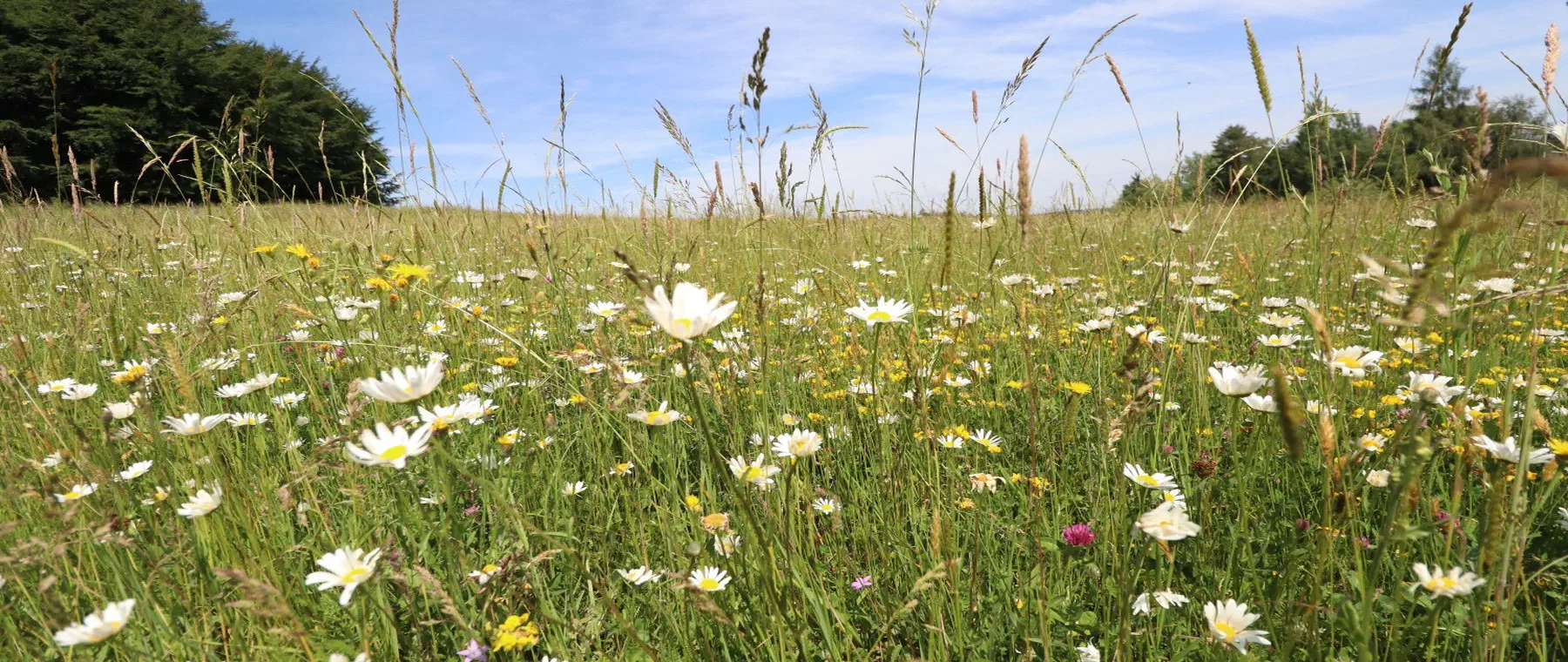
Eco-points in natural region D21
Schleswig-Holsteinische Marschen und Nordseeinseln
Eco-points in natural region D21 arise where marsh grassland, salt marshes and wetland habitats of the Schleswig-Holstein North Sea coast are ecologically enhanced. greeNature develops and manages compensation sites true to the natural region under the Schleswig-Holstein Eco-Account Ordinance, from concept through to permanent management.
Natural region D21 at a glance
Natural region D21, the Schleswig-Holsteinische Marsch (officially the Schleswig-Holsteinische Marschen und Nordseeinseln), stretches as a narrow band along the North Sea coast. It runs from the Danish border in the north across the western part of the Nordfriesland district, with the Eiderstedt peninsula, to the west of the Dithmarschen district and to Brunsbüttel at the mouth of the Elbe. It includes the geest-core islands of Sylt, Amrum and Föhr, the diked marsh islands of Pellworm and Nordstrand, the Halligen, and the rocky island of Heligoland. The landscape is flat and, in many places, lies close to or below sea level, protected by a continuous system of dykes.
Geologically, this is young sea marsh made up of marine deposits from the North Sea. The fertile clay soils are used mainly as grassland and arable land and are drained through ditches, furrows, sluices and pumping stations. Characteristic are the Köge, diked new land reclaimed from the sea over the centuries. The geest cores of the North Frisian Islands, by contrast, consist of Pleistocene sands and carry dunes, heaths and cliffs. Seaward of the dykes lie foreshores and salt marshes, which merge into the Wadden Sea.
Ecologically, the grassland-dominated marsh is of international importance. It ranks among the most important breeding areas for meadow and coastal birds such as the northern lapwing, black-tailed godwit, common redshank and pied avocet, and is at the same time an important resting and wintering area for Arctic geese. The Schleswig-Holstein Wadden Sea National Park and the UNESCO World Natural Heritage Wadden Sea border it directly. Large-scale Köge such as the Beltringharder Koog and the Speicherkoog Dithmarschen are today valuable nature and bird protection areas.
For compensation, the impact mitigation regulation in Schleswig-Holstein is governed by §§ 13 to 15 BNatSchG in conjunction with the state Nature Conservation Act. Enhancements can be stockpiled through the eco-account under the Eco-Account Ordinance and used as eco-points for later impacts. Since compensation should, where possible, take effect within the affected natural region, site selection true to the natural region is of particular importance in the D21 area. Marsh-typical measures such as meadow-bird protection, rewetting and salt marsh development create high nature-conservation value here.
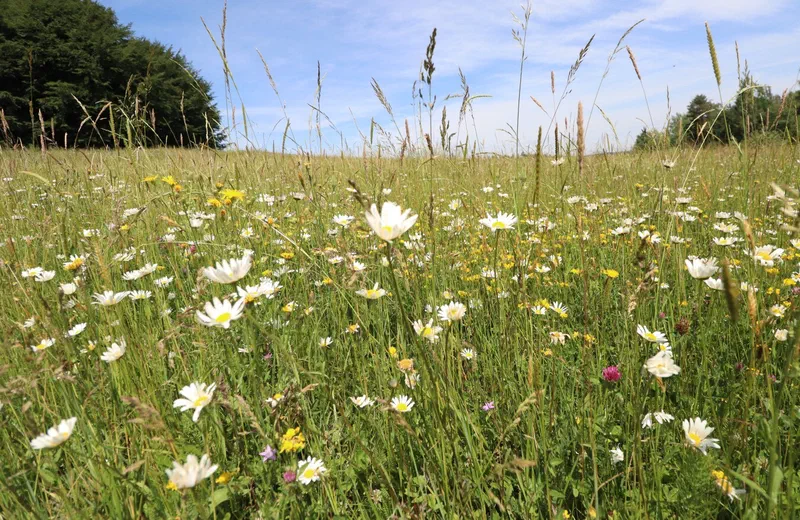
📍 Districts covered
🌿 Ecological features
- The Schleswig-Holstein Wadden Sea National Park and the UNESCO World Natural Heritage Wadden Sea border the marsh directly.
- The geest-core islands of Sylt, Amrum and Föhr, with dunes, heaths and cliffs, and the Halligen as a globally distinctive landscape form.
- An internationally important breeding, resting and wintering area for meadow and coastal birds as well as Arctic geese.
- Fertile clay soils of the sea marsh, used mainly as grassland and drained through ditches, sluices and pumping stations.
- Large-scale Köge such as the Beltringharder Koog and the Speicherkoog Dithmarschen as nature and bird protection areas.
- Salt marshes and foreshores as near-natural transitional habitats between land and the Wadden Sea mudflats.
- The Eiderstedt peninsula as a traditionally important habitat for meadow birds.
✅ greeNature in this region
greeNature works nationwide and knows the nature conservation authorities and the state law of Schleswig-Holstein. For natural region D21, we secure suitable sites in the marshes and on the islands, plan enhancement under the impact mitigation regulation and the Eco-Account Ordinance, and agree measures with the lower nature conservation authorities, the water and soil associations and the landowners. We take on implementation, management and monitoring from a single source. Because compensation in Schleswig-Holstein should, where possible, be true to the natural region, we focus on marsh-typical measures such as meadow-bird protection, rewetting and salt marsh development. Where a need arises under species protection law under § 44 BNatSchG, we design advance CEF measures that continuously secure the ecological function for the affected species.
Typical measures in natural region D21
Meadow-bird protection in wet grassland
Extensive grazing, late mowing, raised water levels and creating shallow scrapes secure breeding sites for the northern lapwing, black-tailed godwit and common redshank in the marsh, and can be implemented as production-integrated compensation.
Rewetting and ditch-margin design
Raising water levels and giving marsh ditches, furrows and small water bodies a near-natural design create wetland habitats and significantly enhance previously heavily drained sites.
Converting arable land into permanent grassland
Converting intensively used marsh arable land back into extensively used, late-mown permanent grassland strengthens meadow birds and ground-nesting birds while also reducing nutrient losses into the waters.
Salt marsh and foreshore development
Forgoing grazing or extensive grazing on the foreshore in front of the dyke promotes near-natural salt marshes as breeding and resting habitat, while also strengthening natural coastal protection in front of the dyke.
Small water bodies and tidal creeks for amphibians
Creating new sunlit, fish-free small water bodies and restoring tidal creek structures support amphibians and dragonflies and connect wetland habitats in the marsh grassland.
Managing dunes and heathland on the islands
Scrub clearance, extensive grazing and keeping sandy areas open on the geest cores of Sylt, Amrum and Föhr preserve the dune and heathland habitats and their specialised species.
Protected species in the Schleswig-Holsteinische Marschen und Nordseeinseln
Northern lapwing
A characteristic species of the marsh grassland. The northern lapwing breeds on open, wet meadows and pastures and benefits from high water levels, shallow scrapes and late mowing, which can readily be implemented as CEF and compensation measures.
About this species ›Black-tailed godwit and common redshank
The marshes rank among the most important breeding areas for these meadow waders in Germany. They need wet, extensively used grassland with soft, probeable soil and good visibility.
Skylark
The skylark breeds in the open marsh of grassland and arable land. Skylark plots, flowering strips and extensive field margins improve its breeding success and can be credited as compensation.
About this species ›Brent goose and barnacle goose
The Wadden Sea and the adjoining Köge and salt marshes are internationally important resting and wintering areas for Arctic geese. Extensive grassland and undisturbed resting areas secure the populations.
Sand lizard
The sand lizard inhabits dunes, inland dunes and heathland on the geest-core islands, as well as warm, dry embankments. For this species, strictly protected under § 44 BNatSchG, sunlit sandy features and stone piles are important CEF building blocks.
About this species ›Amphibians of the marsh ditches
Amphibians such as the moor frog and great crested newt live in lightly impacted ditches and small water bodies of the marsh. Near-natural ditch margins and newly created small water bodies support their populations and the habitat network.
About this species ›Your route to eco-points in D21
Contact and enquiry
Tell us your compensation requirement and the natural region. We check availability.
Offer and advice
A transparent offer covering measure types, scope and availability.
Coordination with authorities
Full coordination with the lower nature conservation authority. We handle everything.
Long-term monitoring
Permanent securing of the land, management and documentation across the contract term.
Eco-points in neighbouring natural regions
All about natural region D21
Request eco-points in natural region D21
We will promptly prepare a transparent offer with matching eco-points held in stock in the Schleswig-Holsteinische Marschen und Nordseeinseln.