Eco-points in natural region D10
Elbe-Mulde-Tiefland
Compensation and eco-accounts in the Elbe-Mulde-Tiefland (D10), the lowland and floodplain landscape around the Elbe, Mulde and Saale with the Leipziger Tieflandsbucht. The natural region extends from Saxony-Anhalt across Nordsachsen and southern Brandenburg to the Altenburger Land in eastern Thuringia. greeNature plans and manages compensation, replacement and eco-account measures across state borders, active nationwide and familiar with the state law of all four states.
Natural region D10 at a glance
Natural region D10, the Elbe-Mulde-Tiefland, covers the broad lowland around the lower reaches of the Mulde and Saale and their confluence with the Elbe. Its core lies in the east of Saxony-Anhalt between Dessau, Bitterfeld and Wittenberg. From there the natural region extends south across the Leipziger Tieflandsbucht with the Saxon area around Leipzig, Delitzsch and Torgau, reaches southern Brandenburg with the Elbe-Elster-Winkel and includes the neighbouring Altenburg-Zeitzer Lösshügelland in the Altenburger Land in eastern Thuringia.
Geologically, these are lowland plateaus shaped by the Ice Age, made up of till, sand and drift sand, overlain by fertile loess and alluvial loam soils. Defining features are the wooded sand areas of the Dübener and Dahlener Heide, the largest contiguous woodland in central Germany, and the river valleys of the Elbe, Mulde, Saale, Weiße Elster and Pleiße. The loess soils of the Leipzig region and the Altenburger Land are among the most productive arable sites in central Germany.
Of particular ecological value are the floodplain landscapes of the Middle Elbe with their hardwood floodplain forests, the inner-city Leipziger Auwald, and the near-natural stretches of the Mulde floodplain. Extensive post-mining landscapes from lignite opencast mining, such as the Goitzsche near Bitterfeld and the Leipziger Neuseenland, are today large-scale secondary habitats with lakes, raw soils and open successional areas. This diversity of floodplains, heaths, farmland and post-mining sites offers a broad range of compensation options.
Compensation is governed by §§ 13 to 15 BNatSchG in conjunction with the relevant state regulations. Depending on the location of the impact, Saxony-Anhalt assesses under the ÖkoKVO LSA, Saxony uses eco-points under the SächsÖKoVO, Brandenburg assesses verbally and by argument under the HVE, and Thuringia under the ThürNatG. Compensation and replacement measures should take effect within the affected natural region. Special species protection under § 44 BNatSchG must be examined separately, for affected species also through advance CEF measures or measures to secure a favourable conservation status (FCS).
📍 Districts covered
🌿 Ecological features
- The floodplain landscape of the Middle Elbe, with the Steckby-Lödderitzer Forst, is part of the UNESCO Biosphere Reserve River Landscape Elbe and ranks among the most significant hardwood floodplain forests in Central Europe.
- The Leipziger Auwald is one of the largest contiguous floodplain forests within a German city and a habitat type of significance across Europe.
- Together with the Dahlener Heide, the Dübener Heide Nature Park forms the largest contiguous woodland in central Germany on nutrient-poor sandy soils.
- Post-mining landscapes such as the Goitzsche near Bitterfeld and the Leipziger Neuseenland are large-scale secondary habitats of high value for pioneer and open-land species.
- The confluence areas of the Mulde, Saale and Weiße Elster with the Elbe link river, floodplain and wetland habitats into a supra-regional habitat network.
- The Altenburg-Zeitzer Lösshügelland in the south is a fertile loess farmland landscape and forms the transition to the low mountain range foreland.
✅ greeNature in this region
greeNature is active nationwide and knows the responsibilities of the lower nature conservation authorities (Untere Naturschutzbehörde) in Saxony-Anhalt, Saxony, Brandenburg and Thuringia. In the Elbe-Mulde-Tiefland we agree measures with the authorities according to the location of the impact, under the ÖkoKVO LSA, the SächsÖKoVO, the HVE Brandenburg or the ThürNatG, and support compensation, replacement and eco-account measures from assessment through to a recognised and permanently secured site.
Typical measures in natural region D10
Floodplain forest development
Restoration and re-establishment of site-appropriate hardwood floodplain forests in the Elbe and Mulde floodplains, to strengthen flood-tolerant woodland habitats and their habitat network.
Floodplain grassland extensification
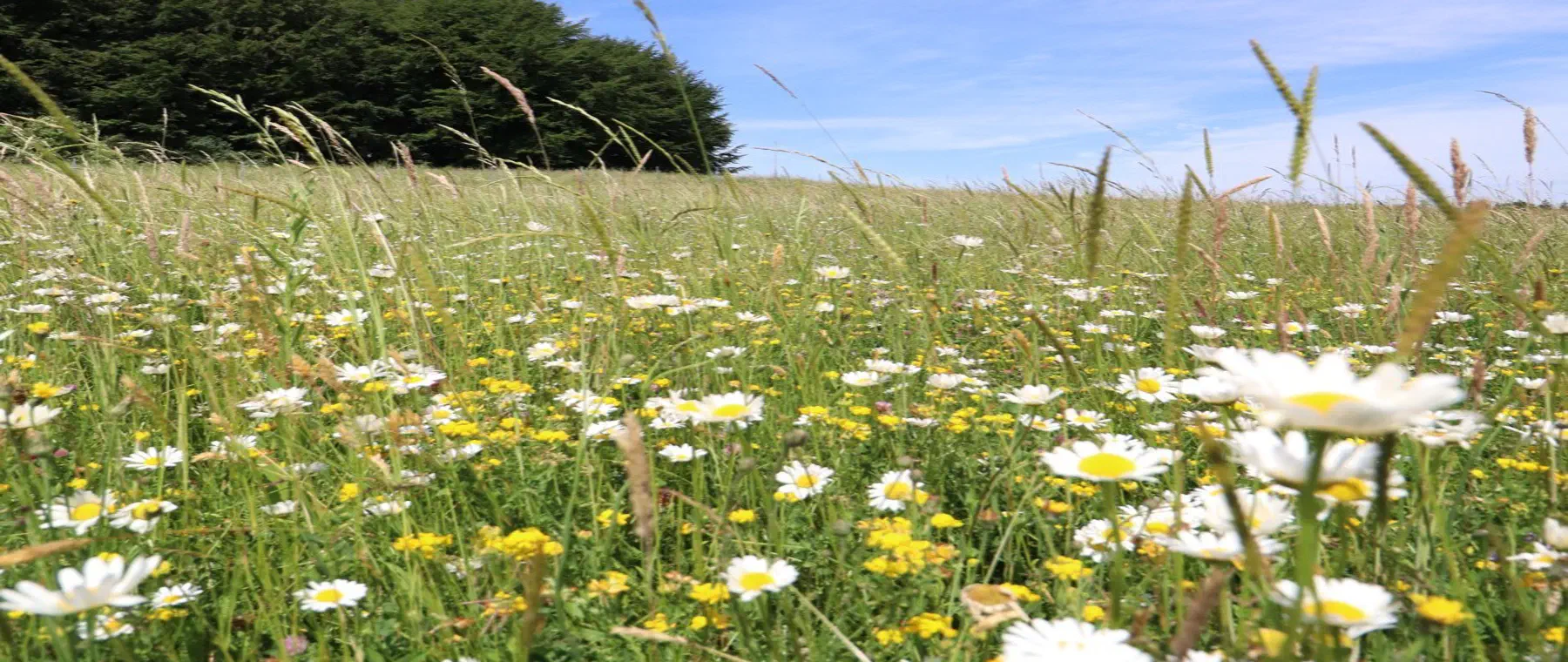
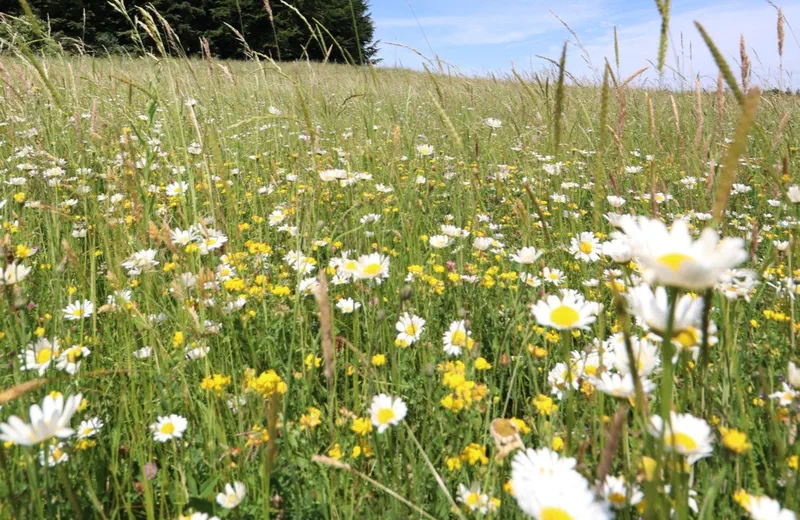
Conversion of intensively used valley floodplains into species-rich wet and mesic grassland with adapted mowing and grazing as habitat for meadow-breeding birds.
Small water bodies and amphibian habitats
Creation of sunlit, fish-free still waters for the fire-bellied toad, great crested newt and European tree frog, linked with adjoining terrestrial habitats.
Enhancing post-mining landscapes
Development of open raw soils, dry grassland and riparian fringes on former opencast mining areas of the Goitzsche and the Neuseenland as secondary habitats.
Watercourse restoration
Restoration of near-natural watercourse structures, connectivity and riparian woodland along the Mulde, Weiße Elster and Schwarze Elster.
Forest conversion in the heathland
Conversion of structurally poor pine plantations in the Dübener and Dahlener Heide into site-appropriate broadleaf and mixed woodland, to improve the water balance and habitat diversity.
Protected species in the Elbe-Mulde-Tiefland
Black stork and Elbe beaver in the floodplains
The near-natural floodplain forests of the Middle Elbe and Mulde offer breeding sites for the disturbance-sensitive black stork and are home to the Elbe beaver. Floodplain restoration and woodland development secure these breeding and resting places.
About this species ›Fire-bellied toad and great crested newt
The small water bodies of the floodplains and post-mining landscape are home to severely threatened amphibians such as the fire-bellied toad, great crested newt and European tree frog, which depend on sunlit, fish-free spawning waters.
About this species ›Northern lapwing and skylark in open farmland
Meadow and farmland birds such as the northern lapwing and skylark breed in the floodplain and loess arable landscapes. Skylark plots, flowering strips and grassland extensification are typical CEF measures.
About this species ›Sand lizard in the post-mining landscape
Open, sunlit raw soils, embankments and sandy areas of the post-mining landscapes and heathland margins are refuges for the sand lizard, strictly protected under § 44 BNatSchG.
About this species ›Bats in the floodplain forest
Old tree stands in the Leipziger Auwald and the Middle Elbe floodplains serve species such as Bechstein's bat and the greater mouse-eared bat as roosts and hunting grounds. Roost and habitat measures are possible.
About this species ›European wildcat in the Dübener Heide
The contiguous woodlands of the Dübener and Dahlener Heide are habitat for the returning European wildcat, which depends on structurally rich, low-disturbance woodland networks.
About this species ›Your route to eco-points in D10
Contact and enquiry
Tell us your compensation requirement and the natural region. We check availability.
Offer and advice
A transparent offer covering measure types, scope and availability.
Coordination with authorities
Full coordination with the lower nature conservation authority. We handle everything.
Long-term monitoring
Permanent securing of the land, management and documentation across the contract term.
Eco-points in neighbouring natural regions
All about natural region D10
Request eco-points in natural region D10
We will promptly prepare a transparent offer with matching eco-points held in stock in the Elbe-Mulde-Tiefland.