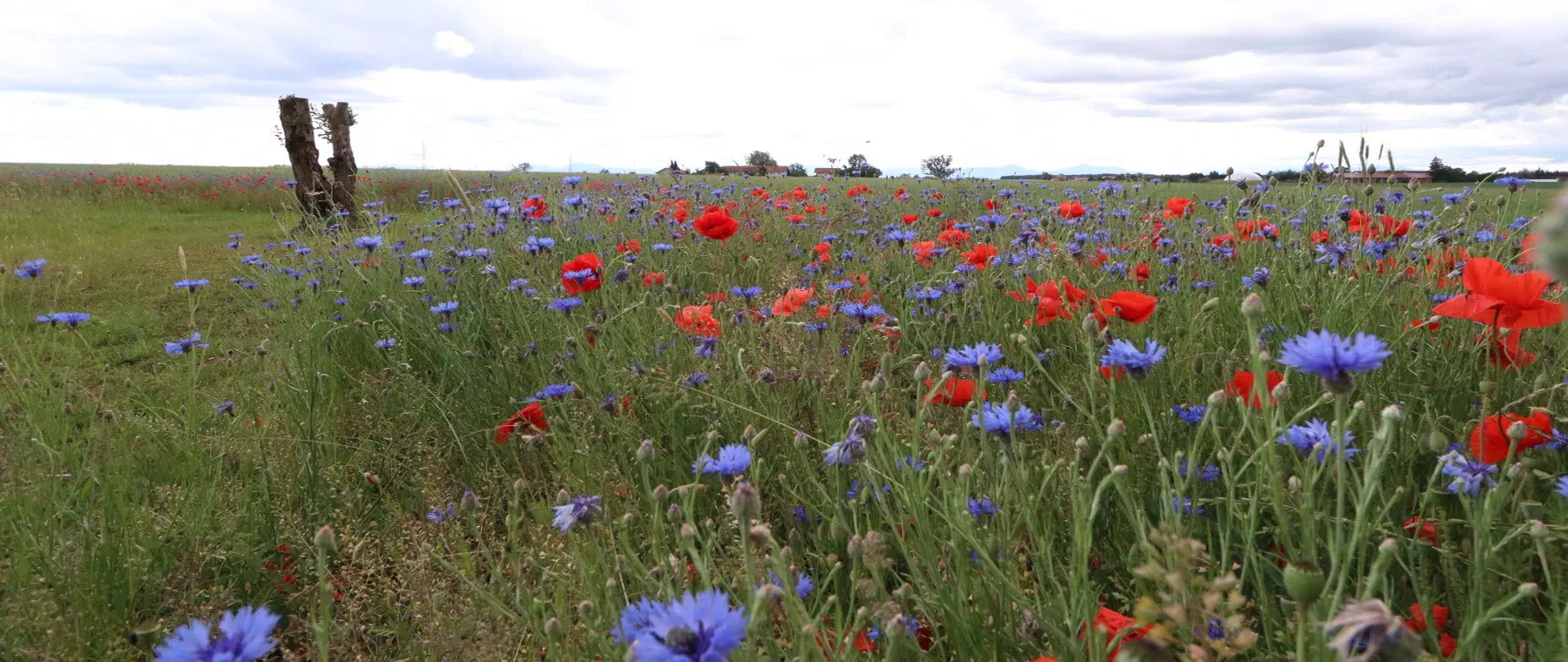
Eco-points in natural region D03
Rückland der Mecklenburg-Brandenburgischen Seenplatte
Recognised compensation areas and compensation measures in natural region D03, the Rückland der Mecklenburg-Brandenburgischen Seenplatte with the Uckermärkisches Hügelland. greeNature supports your project nationwide as a full-service partner, from providing land under the Brandenburg HVE and Flächenpoolverordnung through to long-term management.
Natural region D03 at a glance
Natural region D03, the Rückland der Mecklenburg-Brandenburgischen Seenplatte, comprises the Uckermärkisches Hügelland with the Uecker and Randow valleys. It lies mainly in north-eastern Brandenburg and, with the valleys of the Uecker and Randow, extends into Mecklenburg-Western Pomerania. The Weichselian glaciation formed a varied young moraine landscape here, made up of ground and terminal moraines, outwash plains and numerous ribbon lakes. Thousands of kettle holes, small ice-age dead-ice water bodies, characterise and pepper the open farmland.
Old, near-natural beech forests stand on the terminal moraine ridges, while the lowlands are characterised by kettle bogs, calcareous transition mires and wet meadows. Hedgerows, avenues and field copses structure the extensive agricultural landscape and form a valuable habitat network. This structural diversity makes the Uckermark one of the most species-rich areas in north-eastern Germany.
To the south lies the Biosphärenreservat Schorfheide-Chorin with the UNESCO World Natural Heritage Grumsiner Buchenwald, while to the north the Naturpark Uckermärkische Seen and the Uecker and Randow lowlands adjoin the region. The large, unfragmented forests and wetlands form a nationally important breeding area for the lesser spotted eagle and habitat for black stork, crane, white-tailed eagle, otter and beaver.
In the main state of Brandenburg, compensation follows the verbal-argumentative impact assessment under the Hinweise zum Vollzug der Eingriffsregelung (HVE) and the Flächenpoolverordnung (FPV), which governs recognised land and measure pools and eco-accounts. For the Mecklenburg-Western Pomerania portion, the relevant state law provisions apply. The legal basis remains the impact mitigation regulation under §§ 13 to 15 BNatSchG, supplemented by species protection under § 44 BNatSchG with CEF and, where necessary, FCS measures.
📍 Districts covered
🌿 Ecological features
- Nationally important breeding area for the lesser spotted eagle
- Thousands of kettle holes as ice-age small water bodies and amphibian habitat
- The adjoining UNESCO World Natural Heritage Grumsiner Buchenwald in the Biosphärenreservat Schorfheide-Chorin
- Old, near-natural beech forests on the terminal moraine ridges
- The Uecker and Randow valleys as extensive lowland and wetland habitats
- A richly structured landscape of hedgerows, avenues and field copses
- Ribbon lakes, kettle bogs and calcareous transition mires of the young moraine
✅ greeNature in this region
greeNature operates nationwide and knows the nature conservation law requirements in Brandenburg and Mecklenburg-Western Pomerania. We are familiar with the lower nature conservation authorities, the Landesamt für Umwelt Brandenburg and the regional land pools, and support the verbal-argumentative impact assessment under HVE as well as the recognition of eco-account measures in natural region D03.
Typical measures in natural region D03
Kettle holes and small water bodies
Restoring and creating kettle holes and small water bodies in the agricultural landscape, habitat for fire-bellied toad, European tree frog and great crested newt, with buffer strips against nutrient inputs.
Wet grassland extensification
Converting intensively used land into species-rich wet grassland in the Uecker and Randow lowlands, with adapted mowing and rewetting for meadow-breeding birds.
Beech forest and old-growth timber
Preserving and developing near-natural beech forests on the terminal moraines, enriching old and dead wood, and protecting nest sites as habitat for lesser spotted eagle, black stork and bats.
Hedgerows, avenues, field copses
Creating and supplementing hedgerows, tree rows and field copses for habitat network connectivity in the open farmland, providing stepping-stone habitats and guiding structures for birds, insects and small mammals.
Watercourse restoration
Restoring the Uecker, Randow and their tributaries, establishing riparian buffer strips and woody fringes, and improving connectivity as habitat for otter, beaver and kingfisher.
Species protection CEF/FCS
Advance compensation measures under § 44 BNatSchG, such as securing foraging habitats for the lesser spotted eagle, skylark plots and bat roosts, coordinated with state law.
Protected species in the Rückland der Mecklenburg-Brandenburgischen Seenplatte
Lesser spotted eagle
The Uckermark is one of the most important breeding areas for the lesser spotted eagle nationwide. It needs undisturbed forests with adjoining, extensively managed wet grassland as foraging habitat, secured through nest protection and grassland management.
Black stork
The black stork breeds in the extensive, quiet broadleaf forests and forages at forest streams, kettle holes and wet meadows. Measures to preserve old woodland stands and near-natural small water bodies directly benefit it.
About this species ›Fire-bellied toad and European tree frog
The numerous kettle holes and small water bodies of the young moraine are habitat for fire-bellied toad, European tree frog and moor frog. Typical measures are the creation and desilting of small water bodies and buffer strips against arable land.
About this species ›Great crested newt
The great crested newt inhabits fish-free, well-lit small water bodies with rich submerged vegetation. Compensation measures create and connect suitable spawning waters with structurally rich terrestrial habitats nearby.
About this species ›Kingfisher
On the Uecker, Randow and the clear lakes, the kingfisher breeds in natural steep banks. Watercourse restoration, riparian buffer strips and the development of eroding banks improve breeding and hunting territories.
About this species ›Bats
Old beech forests and avenues provide roosts for woodland-bound species such as the barbastelle bat. Preserving hollow trees and old-growth timber, along with structurally rich foraging habitats, are typical measures here.
About this species ›Your route to eco-points in D03
Contact and enquiry
Tell us your compensation requirement and the natural region. We check availability.
Offer and advice
A transparent offer covering measure types, scope and availability.
Coordination with authorities
Full coordination with the lower nature conservation authority. We handle everything.
Long-term monitoring
Permanent securing of the land, management and documentation across the contract term.
Eco-points in neighbouring natural regions
All about natural region D03
Request eco-points in natural region D03
We will promptly prepare a transparent offer with matching eco-points held in stock in the Rückland der Mecklenburg-Brandenburgischen Seenplatte.