Eco-points and compensation areas
District of Kyffhäuserkreis
Immediately available eco-points from authority-approved eco-accounts in the Kyffhäuserkreis. greeNature solutions, your full-service partner for compensation according to the Thuringian compensation model between Kyffhäuser, Golden Aue and Thuringian basin.
The District of Kyffhäuserkreis at a glance
The Kyffhäuserkreis is located in northern Thuringia. Thuringia is not divided into administrative regions, so the district is directly assigned to the federal state. The district seat and administrative centre is Sondershausen, a former residence and mining town on the southern edge of the Hainleite. The Kyffhäuser, one of Europe's smallest mountain ranges, which characterises the district to the north, is the namesake.
In terms of landscape, the district extends from the forested Muschelkalk plateaus of the Hainleite, Windleite and Schmücke via the open arable landscape of the northern Thuringian basin to the fertile Golden Aue with the Helme lowland. The Kyffhäuser itself is composed of Zechstein gypsum karst and bears European-level significant dry and semi-arid grasslands. In terms of natural regions, the entire district belongs to the BfN major region Thuringian basin (D18).
Ecologically determining are the Kyffhäuser Nature Park, the associated geopark and a dense network of nature reserves as well as FFH and bird protection sites of the European Natura 2000 network. The gypsum karst of the Kyffhäuser with its caves, the large broadleaf forests of the Hohe Schrecke as wildcat habitat and the wetlands of the Golden Aue count among the most valuable nature conservation structures in the region.
Economically, the district is characterised by the historical potash and salt mining around Sondershausen and Roßleben, by productive agriculture on the loess soils of the Thuringian basin and by small and medium-sized electrical and metal industry. Mining-affected areas, wind energy, road and commercial projects regularly trigger compensation requirements, assessed in Thuringia according to the Thuringian compensation model via biotope values.
🗺️ Associated natural regions
Go to natural region D18 ›
📍 Selected municipalities
🌿 Ecological features
- Kyffhäuser Nature Park and Kyffhäuser Geopark with European-level significant Zechstein gypsum karst
- FFH site Kyffhäuser with orchid-rich dry and semi-arid grasslands
- Hohe Schrecke, large contiguous broadleaf forest area and habitat for the European wildcat
- 23 nature reserves in the district
- Golden Aue and Helme lowland as damp and bird habitats near Kelbra reservoir
- Hainleite, Windleite and Schmücke as forested Muschelkalk edge plateaus of the Thuringian basin
- Esperstedter Ried as a protected spring and damp area
✅ greeNature on the ground
greeNature operates nationwide and works consistently in Thuringia according to the requirements of the Thuringian Nature Conservation Act (ThürNatG) and the Thuringian Compensation Ordinance. We assess compensation according to the Thuringian compensation model via biotope values (value units), are familiar with the requirements of the lower nature conservation authority of the Kyffhäuserkreis District Authority and coordinate measures at the Kyffhäuser, in the Golden Aue and in the Thuringian basin with sound technical expertise with the authorities.
Typical measures in the district of Kyffhäuserkreis
Dry and semi-arid grasslands
Restoration and permanent management of gypsum and Muschelkalk dry grasslands at the Kyffhäuser and Hainleite through clearing and extensive sheep and goat grazing. Enhancement according to the Thuringian compensation model and preservation of protected FFH habitat types.
Near-natural forest conversion
Conversion of nature-distant conifer forests into site-appropriate beech and oak mixed forests in Hohe Schrecke, Hainleite and Windleite, enrichment with deadwood and habitat trees as habitat for European wildcat, bats and hazel dormouse.
Aue restoration Helme and Unstrut
Dismantling of bank structures, creation of watercourse buffer strips, flood channels and floodplain forest fringes in the Golden Aue and Unstrut valley, habitat for kingfisher, fish and aquatic insects.
Field biotopes in arable land
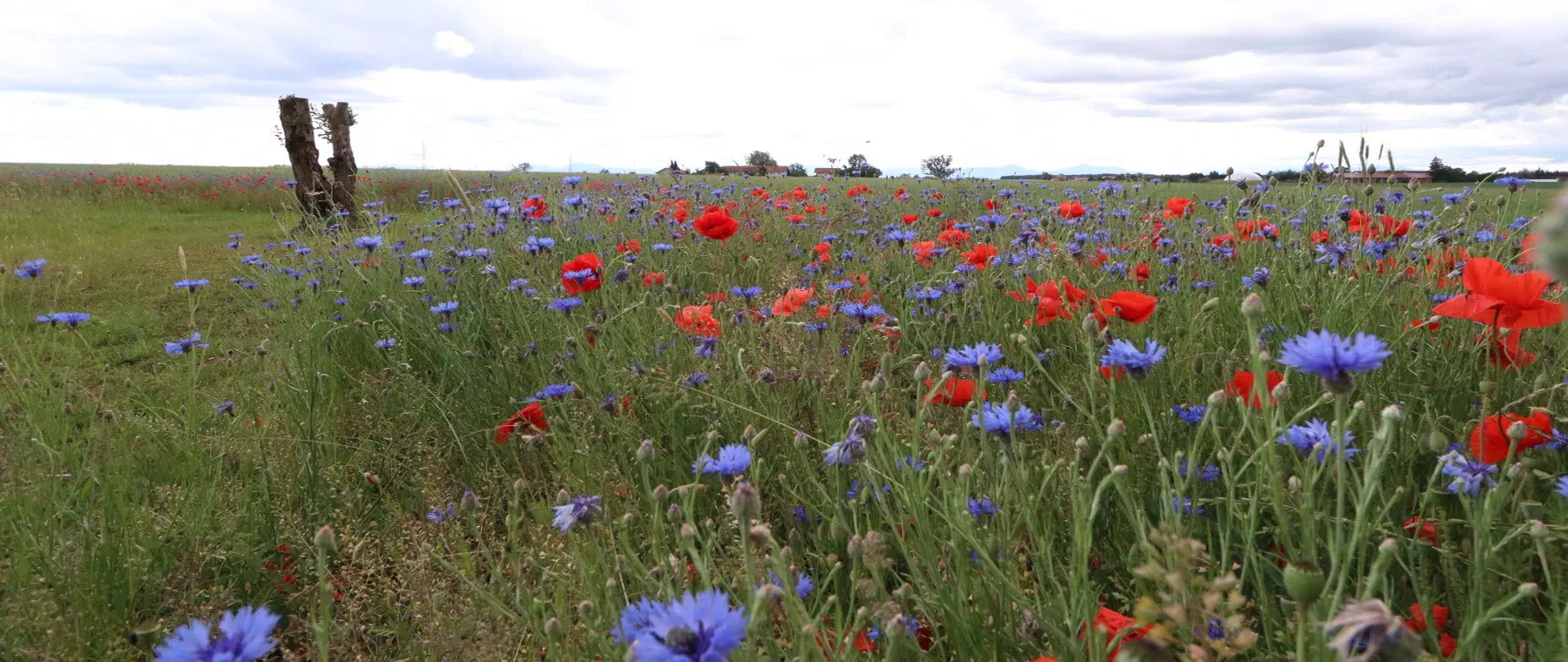
Creation of flowering strips, field margins, lark windows, hedgerows and field copses in the impoverished arable landscape of the Thuringian basin to network open-land biotopes and promote the skylark.
Wetlands and small waters
Re-wetting of marshland and damp meadows, for instance in Esperstedter Ried, and new creation and renovation of small waters and amphibian ponds for great crested newts and other amphibians.
Species protection CEF/FCS
Securing of gypsum karst caves and tunnels as bat shelters, creation of sand lizard habitats on railway and path slopes and advance CEF measures, coordinated to § 44 BNatSchG.
Protected species in the Kyffhäuser, Golden Aue and northern Thuringian basin
European wildcat
The large broadleaf forests of the Hohe Schrecke, Hainleite and Windleite are among the distribution focal points for the wildcat in Thuringia. Structurally rich forests with deadwood, clearings and undisturbed retreat areas are decisive for its survival and a typical target of compensation measures.
About this species ›bats in gypsum karst
The caves and tunnels of the Kyffhäuser gypsum karst are among the region's significant bat shelter sites and are used by species such as Barbastelle bat as winter quarters. Shelter securing and the preservation of hunting habitats are central species protection tasks under § 44 BNatSchG.
About this species ›sand lizard
The dry and semi-arid grasslands at the Kyffhäuser as well as railway and path slopes offer the sand lizard sunny habitats with refuge and egg-laying sites. When impacts occur, advance CEF measures are often required to secure its occurrences.
About this species ›skylark
The extensive arable land of the Thuringian basin is habitat for the skylark, whose populations are under pressure from agricultural intensification. Lark windows, flowering strips and extensively managed field margins are proven upgrade measures.
About this species ›great crested newt
The great crested newt occurs in the marshland and damp areas as well as in small waters of the district, a species of Annex II of the FFH Directive. Creation and networking of fish-free, sunny spawning waters are effective compensation measures for this species.
About this species ›northern lapwing
The damp meadows of the Golden Aue and Helme lowland traditionally offered the northern lapwing breeding habitats, but its populations are in steep decline. Re-wetting and extensive grassland use can restore suitable breeding and feeding habitats.
About this species ›Which projects trigger a compensation obligation?
Potash, salt mining and mining restoration
Mining around Sondershausen and Roßleben, the continued extraction of industrial salt and the securing of spoil heaps and mining-affected areas create impacts that must be compensated for under nature conservation law. greeNature develops nature region-appropriate compensation areas for this.
Wind energy in the Thuringian basin
New construction and repowering of wind turbines in the priority areas of the Thuringian basin trigger compensation and replacement obligations and frequently require species protection measures under § 44 BNatSchG, for instance for wind-sensitive species.
Traffic and infrastructure
Maintenance and expansion of motorways A71 and A38 as well as federal roads B4, B85 and B86 and associated rail projects lead to compensation requirements, assessed according to the Thuringian compensation model.
Commercial and agricultural structure
Development of commercial and industrial areas and land consolidation measures in intensively used arable land create impacts for which compensation and replacement areas must be provided in the affected natural region.
From enquiry to monitoring
Contact and enquiry
Tell us your compensation requirement and the natural region. We check availability.
Offer and advice
A transparent offer covering measure types, scope and availability.
Coordination with authorities
Full coordination with the lower nature conservation authority. We handle everything.
Long-term monitoring
Permanent securing of the land, management and documentation across the contract term.
Eco-points in adjoining districts
All about eco-points
in the district of Kyffhäuserkreis
Request eco-points in the district of Kyffhäuserkreis
We will promptly prepare a transparent offer with matching eco-points held in stock in the district of Kyffhäuserkreis.