Eco-points and compensation areas
District of Segeberg
Segeberg District is located in southern Schleswig-Holstein and extends from the sandy geest in the west to the young glacial hilly landscape in the east. Anyone building, planning or developing areas here needs legally secure compensation according to sections 13 to 15 BNatSchG. greeNature provides compensation areas and eco-account measures according to the Eco-Account Ordinance of Schleswig-Holstein and the State Nature Conservation Act (LNatSchG SH) and accompanies projects from impact assessment through to recognition by the lower nature conservation authority.
The District of Segeberg at a glance
Segeberg District is part of the Hamburg metropolitan area. A large part of the population is concentrated in the south-west along the settlement axis from Norderstedt via Henstedt-Ulzburg to Kaltenkirchen, whilst the north-east around Bad Segeberg is more strongly shaped by agriculture, forests and tourism.
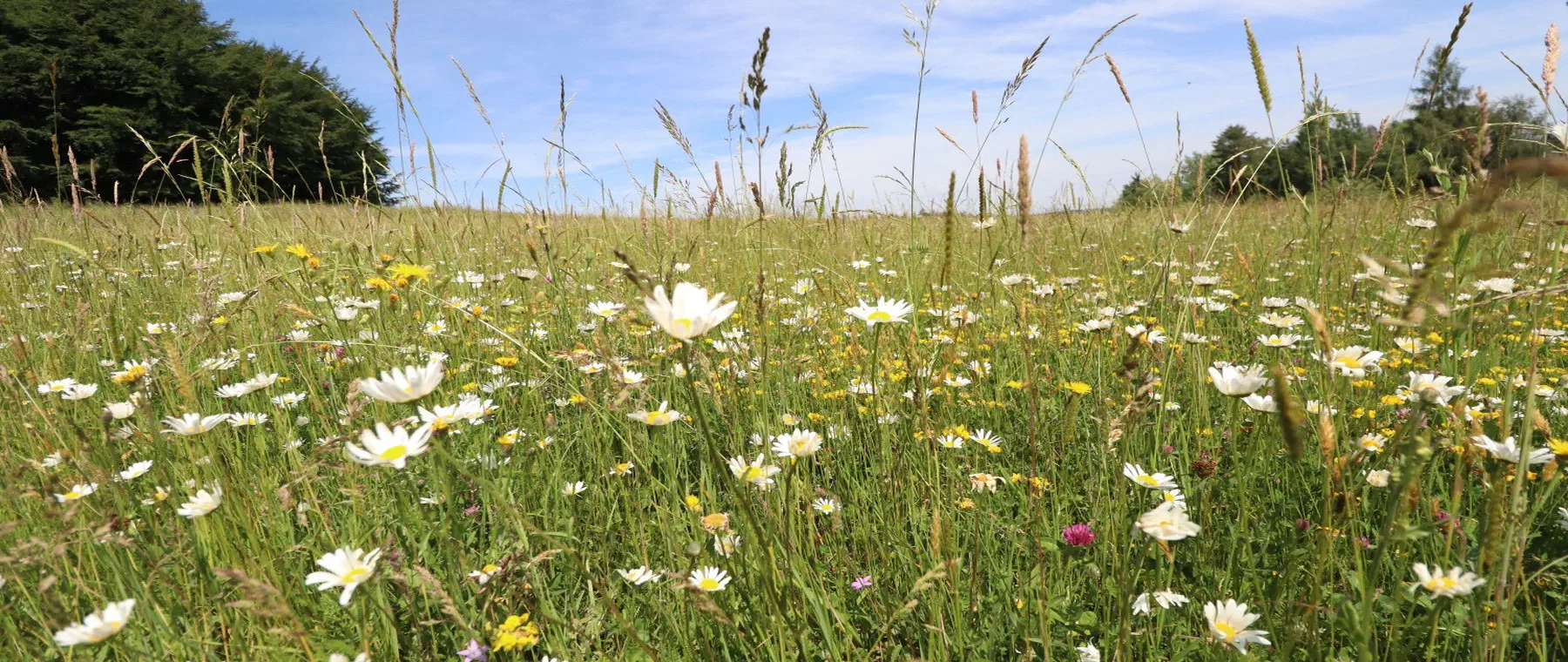
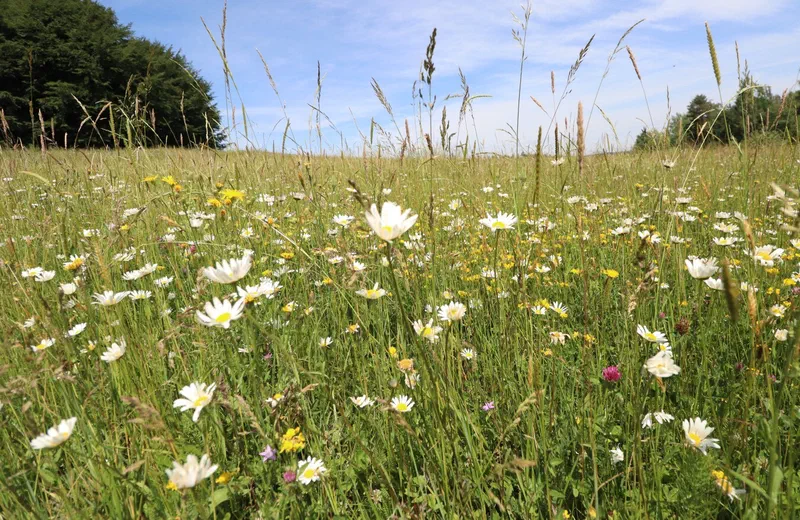
Naturally, the district is located in the transition from the Schleswig-Holsteinische Geest (BfN natural region D22) to the Schleswig-Holsteinisches Hügelland (D23). Characteristic are the hedgerows, that is, wall hedges, extensive grasslands, numerous watercourses and lakes as well as the source area of the Trave.
The growing settlement and infrastructure pressure on the south-west axis regularly leads to impacts on nature and landscape. This results in an ongoing need for compensation and for areas that can be allocated to the eco-account.
The lower nature conservation authority of Segeberg District is responsible for the nature conservation assessment of impacts and compensation. It examines the impact assessment, the selection of measures and their permanent security.
🗺️ Associated natural regions
Go to natural region D22 ›
Go to natural region D23 ›
📍 Selected municipalities
🌿 Ecological features
- The Segeberger limestone cave is a Habitats Directive site and one of the most important bat hibernation sites in Central Europe, making the district regionally important for species protection.
- The hedgerow landscape with its wall hedges characterises the district and is of high importance as a statutory protected habitat for species such as the hazel dormouse.
- Location in the Hamburg metropolitan area creates high settlement and traffic pressure on the south-west axis and thus regular compensation requirements.
- The district is located at the transition from sandy geest to young glacial hilly landscape, creating a diverse mosaic of habitats.
- Numerous watercourses such as the Trave, Osterau and Leezener Au offer starting points for watercourse restoration as a compensation measure.
- To the east, the Holstein Switzerland nature reserve extends into the district and connects lakes, forests and moors in a large-scale habitat network.
✅ greeNature on the ground
greeNature operates nationwide and also supports project developers, municipalities and planning offices in Segeberg District. We develop and secure compensation and eco-account areas that match the natural conditions of the geest and hilly landscape, and bring them to recognition by the lower nature conservation authority. From impact assessment through to measure planning according to the Eco-Account Ordinance of Schleswig-Holstein and long-term management and monitoring, we take on the complete process so that compensation is legally secure, permanent and substantively sound.
Typical measures in the district of Segeberg
Hedgerow creation and maintenance
The wall hedges characteristic of Schleswig-Holstein are newly created or properly maintained. As protected habitats and habitat for birds, insects and the hazel dormouse, hedgerows are a regionally appropriate and recognised compensation measure.
Watercourse restoration
Bank structures are developed at watercourses such as the Trave, Osterau or Leezener Au, floodplains are reconnected and continuity is restored. This significantly improves water balance and habitat quality.
Grassland extensification
Damp and lean grasslands are extensively managed and rewetted. This benefits meadow-breeding birds such as the northern lapwing as well as amphibians and species-rich wet meadow flora.
Creation of small waterbodies
New ponds and small waterbodies create breeding habitats for amphibians, including the strictly protected great crested newt. They can be well coupled with grassland and floodplain measures to form a habitat network.
Species protection and CEF measures
Where projects trigger prohibitions under section 44 BNatSchG, we plan and secure advance compensation measures (CEF), such as roosts and hunting habitats for bats, so that ecological function is continuously preserved.
Forest increase and forest conversion
New site-appropriate deciduous and mixed forests as well as conversion of structurally poor stands increase biotope diversity and can be entered as a permanently secured eco-account measure.
Protected species in the Between geest and eastern hilly landscape in the north of the Hamburg metropolitan area
Bats
The Segeberger limestone cave is one of the largest bat hibernation sites in Central Europe. All native species are strictly protected under section 44 BNatSchG, which is why roosts and hunting spaces must be particularly considered during impacts.
About this species ›Skylark
The skylark breeds in the open arable and grassland areas of the district. Its populations are declining, so arable margin strips and extensive areas are important components of compensation.
About this species ›Northern lapwing
The northern lapwing inhabits wet grasslands and lowlands. As an endangered meadow-breeding bird, it benefits from rewetting and extensive grazing as part of compensation measures.
About this species ›Sand lizard
The sand lizard uses sandy, sunny sites on the geest, on slopes and railway embankments. During impacts, replacement habitats and relocation are often required.
About this species ›Great crested newt
The strictly protected great crested newt depends on structured small waterbodies with surrounding terrestrial habitats. Newly created breeding sites secure its populations.
About this species ›Hazel dormouse
The hazel dormouse lives in the hedgerows and forest edges of the district. As a strictly protected species, it makes the preservation and networking of tree structures a central theme of impact mitigation regulation.
About this species ›Which projects trigger a compensation obligation?
Transport infrastructure
Road and rail projects, for example on the federal roads and motorways as well as during the expansion of the AKN line, intervene in nature and landscape and trigger extensive compensation requirements.
Settlement and business development
New residential and business areas along the south-west axis in the Hamburg metropolitan area claim areas and require compensation according to sections 13 to 15 BNatSchG.
Renewable energy
Wind energy and free-space photovoltaic installations require both impact compensation and species protection assessments with possibly advance measures.
Grid and transmission expansion
The expansion of electricity and supply lines crosses hedgerows, waterbodies and grasslands and requires permanently secured compensation areas.
From enquiry to monitoring
Contact and enquiry
Tell us your compensation requirement and the natural region. We check availability.
Offer and advice
A transparent offer covering measure types, scope and availability.
Coordination with authorities
Full coordination with the lower nature conservation authority. We handle everything.
Long-term monitoring
Permanent securing of the land, management and documentation across the contract term.
Eco-points in adjoining districts
All about eco-points
in the district of Segeberg
Request eco-points in the district of Segeberg
We will promptly prepare a transparent offer with matching eco-points held in stock in the district of Segeberg.