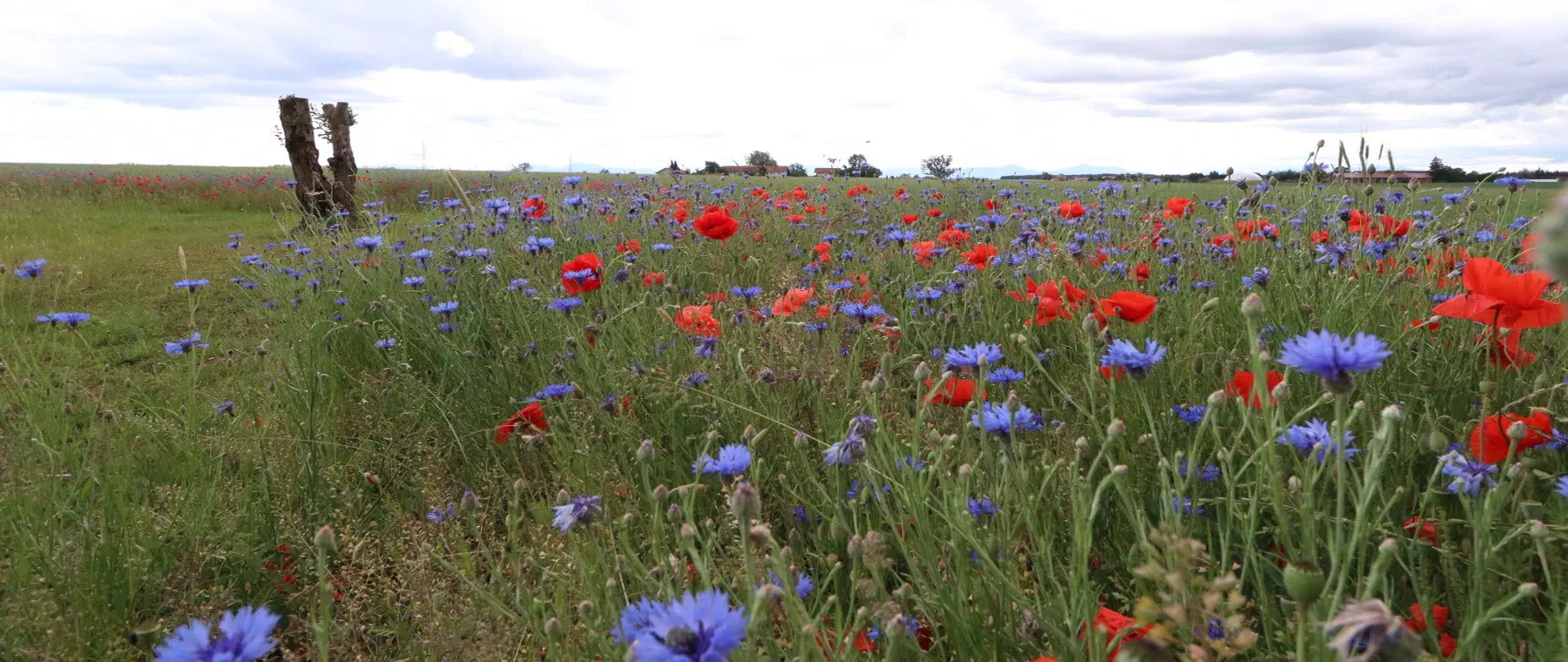
Eco-points and compensation areas
District of Rendsburg-Eckernförde
Eco-points and compensation areas in Rendsburg-Eckernförde District, assessed according to the procedure for impact mitigation regulation applicable in Schleswig-Holstein and managed via eco-accounts in accordance with the Eco-Account Ordinance of Schleswig-Holstein and the State Nature Conservation Act (LNatSchG SH). greeNature operates nationwide and is your full-service partner for impact mitigation regulation, species protection and CEF measures between geest, Hüttener Mountains and the Eider-Treene-Sorge lowland.
The District of Rendsburg-Eckernförde at a glance
Rendsburg-Eckernförde District is located in the centre of Schleswig-Holstein and is the largest district in the state by area, covering around 2,190 square kilometres. As Schleswig-Holstein has no administrative regions, the district is directly under state administration. The district seat is Rendsburg on the North-Baltic Canal, with other towns being Eckernförde on the Baltic coast, Büdelsdorf and Nortorf. Around 277,000 people live in its 165 towns and municipalities.
Geographically, the district extends from the Baltic coast near Eckernförde to the broad lowlands of the Eider-Treene-Sorge. The east belongs to the BfN natural region D23 (Schleswig-Holsteinisches Hügelland) with the hilly young moraine landscape of the Hüttener Mountains and the Schwansen peninsula, whilst the western and central parts are assigned to natural region D22 (Schleswig-Holsteinische Geest) with pre-geest and high geest. The characteristic hedgerow landscape of wall hedges is distinctive, interspersed with grassland, arable land, moors and numerous small waterbodies.
Ecologically significant are the numerous Natura 2000 sites in the district, including the forests of the Hüttener Mountains and the moors of the Eider-Treene-Sorge lowland, as well as the Hüttener Mountains, Aukrug and Westensee nature reserves. The lowlands are habitat for meadow-breeding birds such as the northern lapwing, the hedgerows and small waterbodies for amphibians, great crested newt and bats. The North-Baltic Canal region and the Eider connect these habitats and form important axes in the state-wide habitat network.
Economically, the district is shaped by intensive agriculture, medium-sized business, energy and environmental technology and shipbuilding. As an open, wind-rich landscape, Central Holstein is a focal point for wind energy. The expansion of the North-Baltic Canal, wind farms and repowering, settlement and business development and road and transmission line projects regularly trigger impacts whose compensation must be provided via eco-accounts according to the Eco-Account Ordinance of Schleswig-Holstein and the LNatSchG SH.
🗺️ Associated natural regions
Go to natural region D23 ›
Go to natural region D22 ›
📍 Selected municipalities
🌿 Ecological features
- North-Baltic Canal (98.6 km), the world's busiest artificial waterway, runs east-west across the district
- Habitats Directive site Forests of the Hüttener Mountains, wooded young moraine landscape as part of the Natura 2000 network
- Habitats Directive site Moors of the Eider-Treene-Sorge lowland, extensive lowland moor and wetland landscape
- Hüttener Mountains, Aukrug and Westensee nature reserves are located wholly or partly in the district
- Baltic coast with the Schwansen and Danish Wohld peninsulas and steep coasts at Eckernförde Bay
- Hedgerow landscape characteristic of Schleswig-Holstein made up of wall hedges as a landscape-defining habitat network
- The Eider as the historic border river between Schleswig and Holstein
✅ greeNature on the ground
greeNature operates nationwide and manages compensation projects in Central Holstein. We know the impact mitigation regulation process applicable in Schleswig-Holstein, the requirements of the Eco-Account Ordinance of Schleswig-Holstein and the coordination with the lower nature conservation authority of Rendsburg-Eckernförde District. For impacts between geest, hilly landscape and Baltic coast, we develop tailor-made compensation, replacement and CEF measures in moors, hedgerow landscapes, floodplains and forests of natural regions D22 and D23.
Typical measures in the district of Rendsburg-Eckernförde
Moor rewetting
Rewetting of drained lowland moors in the Eider-Treene-Sorge lowland and in further moor areas of the district. Raised water levels restore moor-type habitats, reduce greenhouse gas emissions and create high-quality compensation areas.
Hedgerow creation and maintenance
Creation, supplementation and proper maintenance of the hedgerows (wall hedges) characteristic of Schleswig-Holstein. These structures network habitats in the agricultural landscape and serve as stepping-stone habitats for bats, birds and insects.
Wet grassland and meadow-breeding bird protection
Conversion of intensively used areas into species-rich wet and extensively managed grassland with adapted mowing dates and raised water levels. Such areas are habitat for northern lapwing and other meadow-breeding birds of the lowlands.
Waterbody and floodplain development
Removal of bank structures, near-natural redesign of watercourses and creation of small waterbodies on the Eider, Sorge and their tributaries. This creates steep banks, shallow water zones and riparian forest as habitat for kingfisher, amphibians and fish.
Species protection CEF and FCS
Advance compensation measures (CEF) and population safeguarding measures (FCS) under section 44 BNatSchG, such as replacement habitats for the sand lizard on slopes and railway embankments, bat roosts and sunny replacement breeding sites for amphibians and great crested newt.
Forest development and new afforestation
Conversion of structurally poor coniferous forests into site-appropriate deciduous and mixed forests, for example in the vicinity of the Hüttener Mountains, and new afforestation on suitable sites with promotion of old and dead wood.
Protected species in the Central Holstein between the North-Baltic Canal and the Baltic coast
Northern lapwing in the lowlands
The wet grasslands of the Eider-Treene-Sorge lowland support northern lapwing and other meadow-breeding birds. Rewetting and extensive wet meadow management are the most effective compensation measures here.
About this species ›Bats in forest and hedgerow landscape
Serotine, common pipistrelle and other species use tree holes, buildings and the hedgerows as roosts and hunting grounds. All species are strictly protected (Annex IV Habitats Directive); replacement roosts are required as a CEF measure in case of demolition and hedge clearance.
About this species ›Amphibians in small waterbodies
Moor frog, natterjack toad and other amphibians inhabit small waterbodies, moors and fluctuating damp depressions of the geest. Newly created, sunny breeding sites in spatial proximity secure their breeding sites during construction projects.
About this species ›Sand lizard on railway embankments and slopes
On sandy soils, slopes and railway embankments, the sand lizard is a frequent target species in infrastructure and settlement projects. Replacement habitats with sunbathing, egg-laying and shelter areas are standard for species protection compensation.
About this species ›Great crested newt in hedgerow small waterbodies
The strictly protected great crested newt inhabits fish-free small waterbodies and ponds of the hedgerow landscape. Creation and networking of suitable breeding sites are typical measures for maintaining its populations.
About this species ›Kingfisher on the Eider and small waterbodies
Near-natural bank sections with steep walls provide the strictly protected kingfisher with breeding sites. During waterbody interventions, steep bank modelling and bank restoration are typical CEF measures.
About this species ›Which projects trigger a compensation obligation?
North-Baltic Canal and waterways
Expansion and maintenance of the North-Baltic Canal, its locks and bridges are large-scale projects with significant impact and compensation requirements along the canal axis.
Wind energy and repowering
As an open, wind-rich landscape, Central Holstein is a focal point for wind energy. New construction and repowering of wind farms trigger impacts and often require species protection assessments and FCS measures for wind-sensitive species.
Settlement and business development
Residential and business areas in Rendsburg, Büdelsdorf, Eckernförde and the Kiel hinterland as well as business extensions lead to land sealing and require nature conservation compensation. Landowners can benefit as area providers.
Infrastructure and transport
Expansion and rehabilitation of motorways and federal roads, local bypasses and transmission and grid expansion projects trigger compensation and replacement obligations, which are assessed via the impact mitigation regulation under LNatSchG SH.
From enquiry to monitoring
Contact and enquiry
Tell us your compensation requirement and the natural region. We check availability.
Offer and advice
A transparent offer covering measure types, scope and availability.
Coordination with authorities
Full coordination with the lower nature conservation authority. We handle everything.
Long-term monitoring
Permanent securing of the land, management and documentation across the contract term.
Eco-points in adjoining districts
All about eco-points
in the district of Rendsburg-Eckernförde
Request eco-points in the district of Rendsburg-Eckernförde
We will promptly prepare a transparent offer with matching eco-points held in stock in the district of Rendsburg-Eckernförde.