Eco-points and compensation areas
City of Neumünster
Immediately available eco-points from authority-recognised eco-accounts. greeNature is your nationwide full-service partner for nature conservation compensation in the independent city of Neumünster, in the heart of Schleswig-Holstein on the geest between Dosenmoor, Einfeld Lake and the lowlands of Schwale and Störe.
The City of Neumünster at a glance
Neumünster is an independent city in central Schleswig-Holstein and with around 79,500 inhabitants the smallest of the state's four independent cities and the only one without direct sea access. As an important transport hub, the city is located at the motorway junction of the A7 and A215 and on several railway lines. Schleswig-Holstein is not divided into administrative regions, so the city is directly subordinate to the state.
Naturally, the city area belongs to the Schleswig-Holsteinische Geest (natural region D22), specifically to the gently undulating Holstein pre-geest with predominantly sandy, nutrient-poor soils. The city is located on the watershed between the Eider draining northwards and the Störe flowing south to the Elbe.
Ecologically distinctive is the Dosenmoor on the north edge of the city, with around 521 hectares the largest high moor of the Schleswig-Holstein young moraine and also a Habitats Directive site (NSG Dosenmoor). There is also Einfeld Lake in the north, the Schwale flowing through the city and the landscape conservation area around Neumünster city boundary.
Economically, Neumünster is characterised by trade, logistics and business, including the Designer Outlet Centre and favourable transport location. Residential construction, the development of business and industrial areas and transport and infrastructure projects regularly generate compensation requirements under the impact mitigation regulation.
🗺️ Associated natural regions
Go to natural region D22 ›
Go to natural region D23 ›
📍 City districts
🌿 Ecological features
- Habitats Directive site NSG Dosenmoor on the north edge of the city, with around 521 hectares the largest high moor of the Schleswig-Holstein young moraine and habitat for numerous moor-type species
- Einfeld Lake in the north of the city area as near-natural still water with adjacent wet and vegetation areas
- The Schwale flows through the city and flows into the Störe, whose source area is on the watershed between Eider and Elbe
- Landscape conservation area Neumünster city boundary as a green ring of grassland, hedgerows and trees around the city
- Hedgerow landscape (wall hedges) of the Holstein pre-geest as habitat network for grassland birds, small mammals and insects
- Transport junction of A7, A215 and railway lines with accompanying slopes and margin areas as secondary habitats and compensation requirements
✅ greeNature on the ground
greeNature operates nationwide and manages compensation projects in Neumünster and in the heart of Schleswig-Holstein. We work with the requirements of the Eco-Account Ordinance of Schleswig-Holstein and the State Nature Conservation Act (LNatSchG SH), know the practice of the lower nature conservation authority in the Department of Nature and Environment of the city and the nature conservation features of high moor, geest and urban environment.
Typical measures in the city of Neumünster
Moor restoration and rewetting
Raising water levels and removal of drainage ditches in moor and lowland areas in the vicinity of Dosenmoor. The goal is growing sphagnum moss bogs, a stable water balance and carbon sequestration.
Land desealation in the city
Removal of sealed areas such as abandoned industrial, traffic and yard areas and conversion to permeable, vegetated soils. Land desealation enhances the natural balance in urban areas and improves infiltration.
Waterbody restoration on Schwale and Störe
Restoration of watercourses through bank flattening, site-appropriate riparian trees and the development of continuous, structured waterbody courses as habitat for fish, dragonflies and the kingfisher.
Grassland enhancement in the hinterland
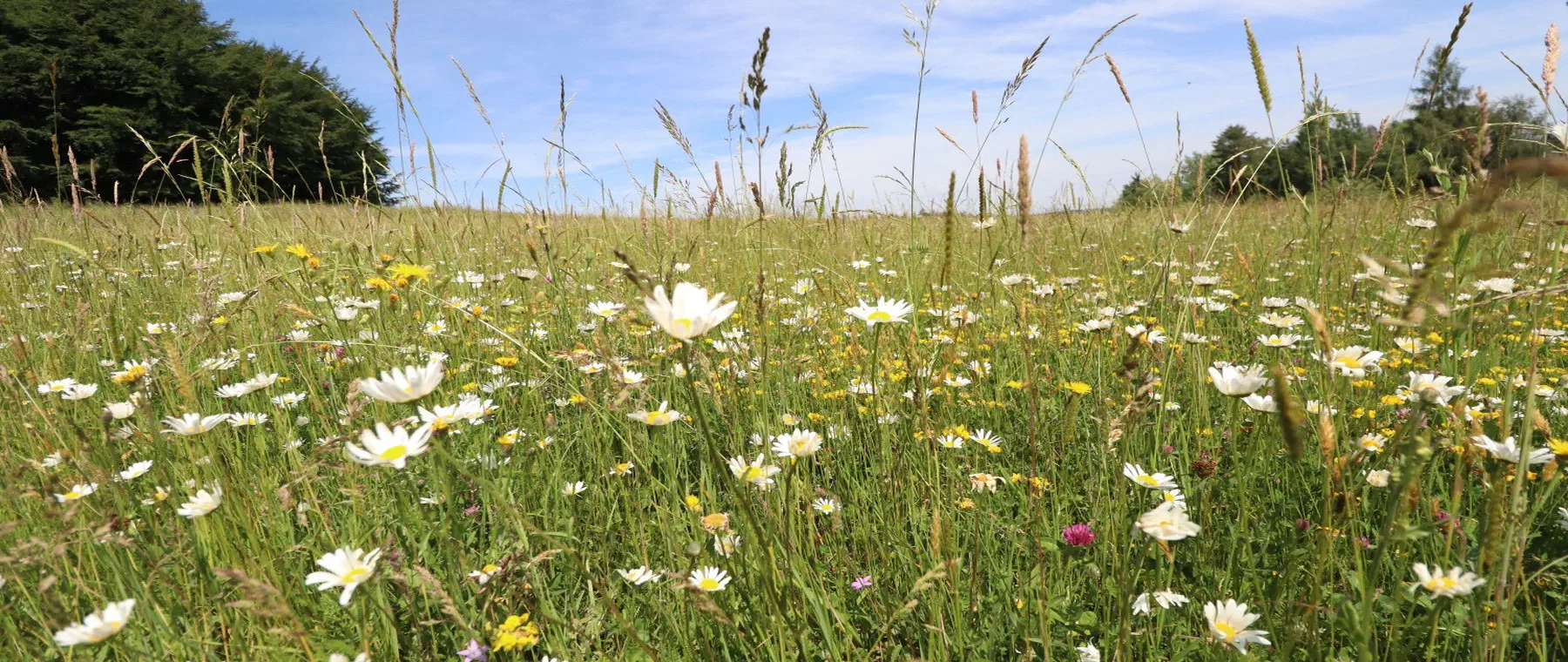
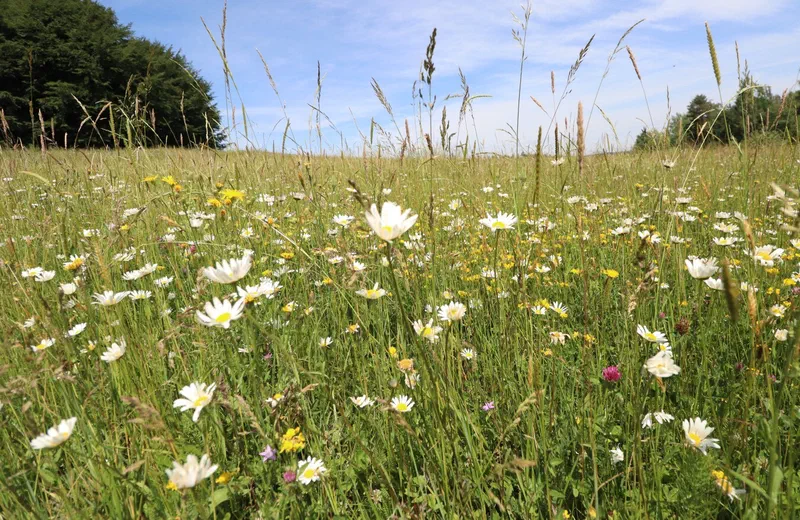
Conversion of intensively used areas into species-rich extensive grassland with adapted mowing and grazing as permanent habitat for meadow-breeding birds and insects.
Hedgerow creation and maintenance
Creation and proper maintenance of wall hedges (hedgerows), the typical landscape elements of the geest. They create habitat networks and cover for grassland birds, small mammals and insects.
Species protection CEF and FCS
Advance compensation measures (CEF) under section 44 BNatSchG, such as sand lizard habitats on railway and road slopes, replacement roosts for bats and the creation of small waterbodies for amphibians.
Protected species in the Holstein pre-geest on the Schleswig-Holsteinische Geest
Sand lizard
On warm-dry slopes of railway and road embankments and sandy geest areas, the sand lizard lives. During construction projects, advance compensation areas with sunbathing and shelter structures are typical CEF measures.
About this species ›Bats
Common pipistrelle, serotine and brown long-eared bat use buildings, hedgerows and old trees in the city as roosts and hunting grounds. Loss of roosts during construction and demolition requires replacement roosts under section 44 BNatSchG.
About this species ›Amphibians
Moor frog, common toad and grass frog inhabit small waterbodies, moors and lowlands. Newly created and rewetted waterbodies create suitable breeding habitats and network partial habitats.
About this species ›Kingfisher
The kingfisher hunts on near-natural sections of Schwale and Störe and at Einfeld Lake. Restored banks with steep walls and clear, fish-rich water secure breeding sites and feeding areas.
About this species ›Skylark
The skylark breeds in the open arable and grassland areas in the city's hinterland. Skylark plots and extensively used margin strips are among the effective measures in agricultural landscape.
About this species ›Northern lapwing and meadow-breeding birds
Wet grassland and lowlands in the hinterland provide breeding and feeding space for the northern lapwing. Rewetting and extensive grazing are central measures for securing populations.
About this species ›Which projects trigger a compensation obligation?
Residential construction and new development areas
The designation of new residential and mixed-use areas to meet housing demand claims areas on the city's periphery and in existing areas. Such projects regularly trigger compensation and replacement obligations under the impact mitigation regulation.
Business and industrial areas
The development and expansion of business and industrial areas, including in the north-west at motorway exits, claims significant areas and requires extensive compensation.
Transport and infrastructure projects
As a junction of A7, A215 and several railway lines, Neumünster is continuously affected by expansion and conversion of transport infrastructure. Corridors and facilities generate impacts with accompanying compensation requirements.
Retail and urban renewal
Large retail and urban development projects such as the Designer Outlet Centre and the renewal of inner-city districts change sealed and green areas and entail nature conservation compensation.
From enquiry to monitoring
Contact and enquiry
Tell us your compensation requirement and the natural region. We check availability.
Offer and advice
A transparent offer covering measure types, scope and availability.
Coordination with authorities
Full coordination with the lower nature conservation authority. We handle everything.
Long-term monitoring
Permanent securing of the land, management and documentation across the contract term.
Eco-points in adjoining districts
All about eco-points
in the city of Neumünster
Request eco-points in the city of Neumünster
We will promptly prepare a transparent offer with matching eco-points held in stock in the city of Neumünster.