Eco-points and compensation areas
City of Lübeck
Eco-points and compensation areas in the independent Hanseatic city of Lübeck, assessed according to the impact mitigation regulation and the Eco-Account Ordinance of Schleswig-Holstein. greeNature is your nationwide full-service partner for the compensation of impacts in the urban landscape on the Trave and Lübeck Bay, from needs assessment through to monitoring.
The City of Lübeck at a glance
Lübeck is an independent Hanseatic city in the east of Schleswig-Holstein and with around 223,000 inhabitants the second-largest city in the state after Kiel. The city area covers just over 214 square kilometres and is divided into ten city districts with 35 city districts. As Schleswig-Holstein is not divided into administrative regions, the city administration itself assumes the tasks of the lower nature conservation authority. As an independent city, Lübeck is distinct from the equally named historic hinterland and forms an independent administrative body.
Naturally, Lübeck belongs to the Schleswig-Holsteinisches Hügelland (BfN natural region D23), the young glacial moraine and hilly landscape of the eastern part of the state. The Trave is distinctive, flowing through the city and widening towards the Baltic to the Trave Fjord and Pötenitz Bay. In the north, the city area extends with the Baltic resort Travemünde to Lübeck Bay. Steep banks, beach areas, Trave lowlands, forests and the wide cultural landscape in the south create an unusually diverse habitat mosaic for a major city.
Ecologically, the city area is rich in protected areas. Among the most significant are the Dummersdorfer Ufer nature reserve with steep banks, slope forests and dry grasslands on the Trave, the Schellbruch as river marshland on the Trave Fjord, and the large-scale area Grönauer Heide, Grönauer Moor and Blankensee in the south. Several of these areas are Habitats Directive or EU bird protection sites as part of the European Natura 2000 network, including the Trave Fjord bird protection area as an internationally significant staging area for migratory birds.
Economically, Lübeck is shaped by the port (Baltic ports and ferry services via the Scandinavia Quay in Travemünde), medical technology and science (University of Lübeck, UKSH), food industry and tourism around the UNESCO World Heritage-protected old town. Residential construction, business and port development and transport projects regularly trigger impacts whose compensation in Schleswig-Holstein must be provided under sections 13 to 15 BNatSchG in conjunction with the State Nature Conservation Act (LNatSchG SH) and via eco-accounts under the Eco-Account Ordinance.
🗺️ Associated natural regions
Go to natural region D23 ›
📍 City districts
🌿 Ecological features
- Dummersdorfer Ufer nature reserve on the Trave with steep banks, slope forests and calcareous grasslands, part of the Natura 2000 network
- Schellbruch, a river marsh on the Trave Fjord, with water areas of Pötenitz Bay as part of the EU bird protection area Trave Fjord
- Grönauer Heide, Grönauer Moor and Blankensee nature reserve in the south of the city with large-scale Habitats Directive and bird protection site on sand and moor sites
- EU bird protection area Trave Fjord as an internationally significant staging and transit area for water and waders
- Trave lowland and city forests such as Lauerholz as urban habitat network and recreational areas
- UNESCO World Heritage Lübeck old town on the old town island surrounded by Trave and Wakenitz
✅ greeNature on the ground
greeNature operates nationwide and is familiar with the compensation law of Schleswig-Holstein. We assess impacts according to the impact mitigation regulation (sections 13 to 15 BNatSchG) in conjunction with the State Nature Conservation Act (LNatSchG SH) and secure enhancements via eco-accounts under the Eco-Account Ordinance. For the Hanseatic city of Lübeck, we work with the lower nature conservation authority of the city (Department for Environment, Nature and Consumer Affairs) and take into account the features of the Schleswig-Holsteinisches Hügelland (natural region D23) with the Trave, the Trave Fjord and the southern sand and moor landscape. Because compensation in Schleswig-Holstein should be effective in the affected natural region, we focus on natural region-appropriate areas and region-typical measures such as waterbody and floodplain development, land desealation and grassland enhancement. If species protection requirements exist under section 44 BNatSchG, we design advance CEF measures that continuously secure ecological function for the affected species. From needs assessment through to land securing and implementation, management and monitoring, we support your project from a single source.
Typical measures in the city of Lübeck
Waterbody and floodplain restoration
Near-natural development of Trave, Wakenitz and their tributaries through bank flattening, creation of floodplain waters and removal of bank structures. Such measures improve waterbody structure, create habitat for fish, dragonflies and the kingfisher and enhance urban lowlands.
Land desealation and restoration
Removal of sealed or derelict areas in the city and their development to grassland, tree or waterbody habitats. Land desealation is a highly effective enhancement in urban areas and frequently achieves high enhancements in assessment under the Eco-Account Ordinance.
Grassland extensification in the city hinterland
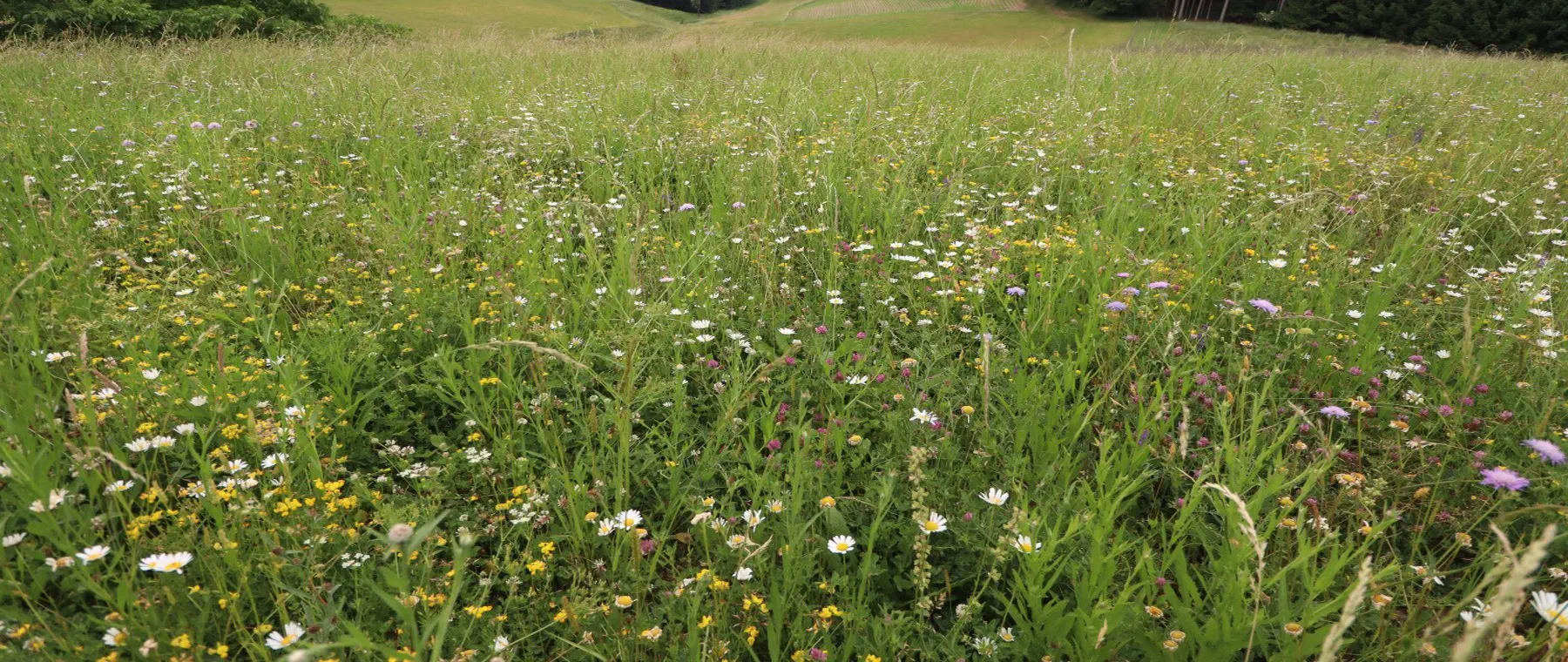
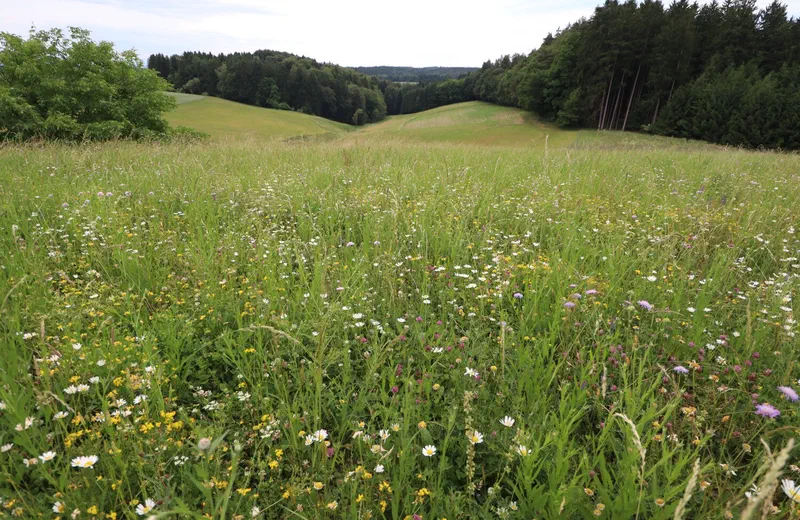
Conversion of intensively used areas into species-rich extensively managed grassland with adapted mowing and grazing, particularly in the Trave lowlands and south of the city. Adapted use and avoidance of fertiliser promote meadow-breeding birds, insects and ground-breeding birds.
Rewetting of lowlands and moors
Raising water levels and removal of drainage ditches in Trave lowlands and moor sites, for example in the vicinity of Grönauer Moor. Such measures secure damp habitats, sequester carbon and strengthen habitat networks.
Forest edge and tree development
Development of native deciduous forests, structured forest edges and field trees on suitable areas. Such stands serve as replacement for tree losses and as permanently secured compensation areas in habitat networks.
Species protection CEF and FCS
Advance compensation measures under section 44 BNatSchG, such as replacement roosts for bats on buildings and in old wood, sand lizard habitats on sunny sand areas and breeding sites for amphibians, each tailored to the specific project and the species' favourable conservation status.
Protected species in the Trave, Lübeck Bay and East Holstein hilly landscape
Wading and staging birds at Trave Fjord
Schellbruch and the Pötenitz Bay waters in the EU bird protection area Trave Fjord are breeding and staging areas for northern lapwing and numerous waterfowl. Extensively used wet grassland and undisturbed staging areas secure these populations.
About this species ›Sand lizard on sand and heathland
The strictly protected sand lizard (Annex IV Habitats Directive) lives on the warm-dry sandstone areas of Grönauer Heide and on railway and road slopes. Replacement habitats with sunny and shelter structures are typical CEF measures for impacts.
About this species ›Amphibians and great crested newt
The small waterbodies and moors in the south of the city, for example in the Grönauer Heide, Grönauer Moor and Blankensee area, provide habitat for the Habitats Directive Annex IV protected great crested newt and other amphibians. New, sunny, fish-free breeding sites secure the breeding sites during impacts.
About this species ›Bats in city and forest
Buildings, parks, old trees and city forests such as Lauerholz provide roosts for strictly protected bat species (Annex IV Habitats Directive). Replacement roosts are required as advance CEF measures under section 44 BNatSchG in case of demolition or tree felling.
About this species ›Kingfisher on Trave and Wakenitz
Near-natural sections of the Trave, Wakenitz and their tributaries provide the kingfisher with steep banks for breeding and low-disturbance waterbodies for feeding. Steep bank modelling and bank restoration are typical components of waterbody interventions.
About this species ›Skylark in open cultural landscape
Skylark breeds in the arable and grassland areas on the outskirts and in the vicinity of Grönauer Heide. Skylark plots, flower strips and extensive arable margin strips improve breeding success and are proven species protection measures under section 44 BNatSchG.
About this species ›Which projects trigger a compensation obligation?
Residential construction and urban development
The growing Hanseatic city designates new residential and infill areas. Such projects intervene in soil, green and open spaces and regularly trigger compensation and replacement obligations that can be efficiently covered through provisioned eco-points from an eco-account.
Business and industrial areas
The development and expansion of business and industrial areas in the city claims areas and requires nature conservation compensation and accompanying species protection measures under section 44 BNatSchG.
Port and waterway expansion
Lübeck Port with the Baltic and ferry facilities, including at the Scandinavia Quay in Travemünde, and expansions on the Trave waterway intervene in aquatic and riparian habitats and require nature-appropriate compensation.
Transport and infrastructure projects
Expansion and new construction of roads and railway lines, including projects in the vicinity of the A20 Baltic motorway and hinterland connections, regularly trigger impacts. Compensation can be securely covered via natural region-appropriate eco-points.
From enquiry to monitoring
Contact and enquiry
Tell us your compensation requirement and the natural region. We check availability.
Offer and advice
A transparent offer covering measure types, scope and availability.
Coordination with authorities
Full coordination with the lower nature conservation authority. We handle everything.
Long-term monitoring
Permanent securing of the land, management and documentation across the contract term.
Eco-points in adjoining districts
All about eco-points
in the city of Lübeck
Request eco-points in the city of Lübeck
We will promptly prepare a transparent offer with matching eco-points held in stock in the city of Lübeck.