Eco-points and compensation areas
City of Kiel
Immediately available eco-points from authority-recognised eco-accounts. greeNature is your nationwide full-service partner for nature conservation compensation in the state capital Kiel, on the Kiel Fjord between the Baltic, hilly landscape and geest.
The City of Kiel at a glance
Kiel is the state capital of Schleswig-Holstein and with around 253,000 inhabitants the most populous city in the state and the largest German city on the Baltic coast. As an independent city, Kiel borders Rendsburg-Eckernförde District to the west and north and Plön District to the east and south. Schleswig-Holstein is not divided into administrative regions, so the city is directly subordinate to the state.
Geographically, the Kiel Fjord characterises the city's image, a deep Baltic inlet formed as a glacially shaped, sea-flooded meltwater channel. The majority of the city area is located in the young glacial Schleswig-Holsteinisches Hügelland (natural region D23) with undulating moraine ridges, and in the west the landscape transitions to the higher-lying, sandy geest (natural region D22). In the south-west, lakes such as Schulensee and Drachensee are lined along the Eider, and in the east the Schwentine flows into the fjord.
Ecologically significant is the transition from the waters of the Kiel Bay via steep coasts and lakes to the hedgerow landscape on the city's outskirts. The Natura 2000 marine area of the eastern Kiel Bay is an internationally significant staging and overwintering area for marine and waterfowl. Nature reserves such as Tröndelsee and Wellsee with the Wellsau lowland are located in the city, as are Baltic steep coasts in the north.
Economically, Kiel is shaped by maritime industry, port and shipyards, state administration and the Christian Albrechts University. Residential construction, the conversion of former military areas such as Holtenau naval air station, port and transport projects regularly generate compensation requirements under the nature conservation impact mitigation regulation.
🗺️ Associated natural regions
Go to natural region D23 ›
📍 City districts
🌿 Ecological features
- Kiel Fjord as a deep Baltic inlet extending far into the city area, distinctive for climate, port and riparian habitats
- Natura 2000 marine area of eastern Kiel Bay (DE 1530-491), significant staging and overwintering area for marine and waterfowl
- Nature reserves in the city area such as Tröndelsee and Wellsee with Wellsau lowland
- Baltic steep coasts in the north at Heischer Tal and Schilkseer steep coast
- Lake chain in the south-west with Schulensee and Drachensee along the upper Eider
- Hedgerow landscape (wall hedges) and trees on the outskirts as habitat network in the transition from hilly landscape and geest
✅ greeNature on the ground
greeNature operates nationwide and manages compensation projects in the state capital Kiel and its surroundings. We work with the requirements of the Eco-Account Ordinance of Schleswig-Holstein and the State Nature Conservation Act (LNatSchG SH), know the practice of the lower nature conservation authority in Kiel's Environmental Protection Office and the nature conservation features of the fjord, hilly landscape and geest. Especially in densely built-up urban areas, land desealation, hedgerow maintenance and waterbody restoration play a major role.
Typical measures in the city of Kiel
Land desealation and soil enhancement
Removal of sealed areas on abandoned barracks, port and conversion sites, restoration of permeable soils and site-appropriate vegetation as compensation in urban areas.
Waterbody restoration
Restoration of Schwentine, Eider and municipal streams through bank flattening, site-appropriate trees and the development of continuous waterbody structures to the fjord.
Hedgerow creation and maintenance
Creation and proper maintenance of wall hedges (hedgerows) on the outskirts and hinterland. These typical landscape elements of Schleswig-Holstein create habitat networks and cover for grassland birds, small mammals and insects.
Grassland enhancement in the hinterland
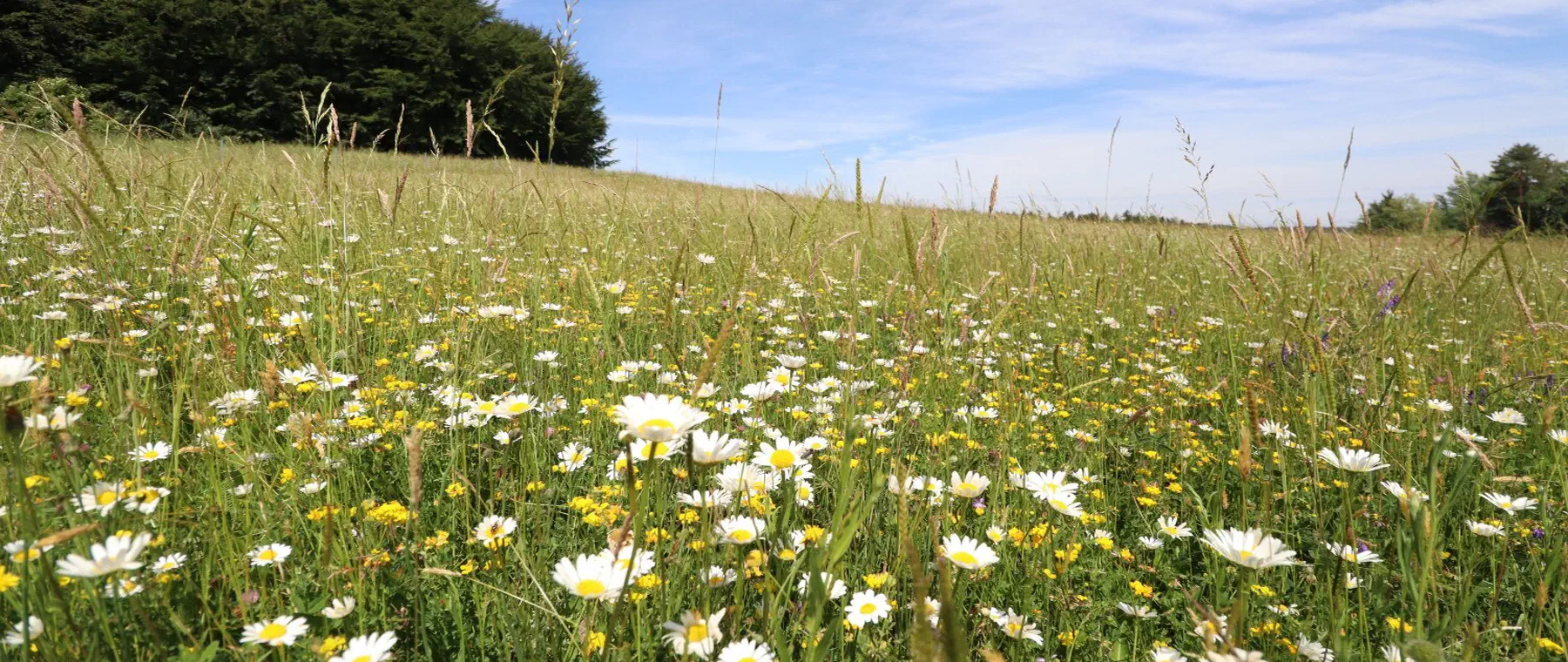
Conversion of intensively used areas into species-rich extensive grassland with adapted mowing and grazing as permanent habitat for meadow-breeding birds and insects.
Small waterbodies and shallow areas
Creation of small waterbodies, soils and shallow areas at lakes and in lowlands as breeding sites for amphibians and feeding areas for waders and waterfowl.
Species protection CEF and FCS
Advance compensation measures (CEF) under section 44 BNatSchG, such as sand lizard habitats on railway and port slopes, bat roosts on buildings and nest boxes for building-breeding species.
Protected species in the Kiel Fjord and East Holstein hilly landscape
Marine and waterfowl of Kiel Bay
Eastern Kiel Bay is a significant staging and overwintering area for marine ducks such as eider, velvet scoter and common scoter. Protection of the fjord and coastal waters secures these populations.
Bats in urban areas
Common pipistrelle and serotine use buildings, parks and trees in the city as roosts and hunting grounds. Loss of roosts during demolition and renovation often requires CEF measures.
About this species ›Kingfisher on Schwentine and Eider
Near-natural bank sections with steep banks on Schwentine, Eider and the lakes provide the kingfisher with breeding sites. Bank erosion and waterbody restoration are among the effective measures.
About this species ›Sand lizard on railway and port sites
Warm-dry slopes, railway embankments and ruderal areas in port and business environments are habitat for the sand lizard. It is a frequent target species in conversion and infrastructure projects.
About this species ›Amphibians and great crested newt
Common toad, moor frog and the Habitats Directive Annex IV protected great crested newt inhabit small waterbodies at Tröndelsee, Wellsee and Schulensee. Newly created shallow areas create suitable breeding sites.
About this species ›Skylark and northern lapwing on the outskirts
Skylark and northern lapwing breed in the arable and grassland areas in the south and west of the city, for example near Meimersdorf and Wellsee. Skylark plots and extensively used areas support the populations.
About this species ›Which projects trigger a compensation obligation?
Residential construction and land conversion
New residential areas and the conversion of former military sites, such as Holtenau naval air station, and extensions on the outskirts trigger compensation and replacement obligations. greeNature provides suitable eco-account areas and undertakes authority coordination.
Port, shipyards and maritime industry
Expansion of sea and car ferries, shipyard installations and maritime infrastructure on Kiel Fjord intervene in riparian and water areas and generate compensation requirements, with a view to the waters of Kiel Bay.
Transport and infrastructure
Road and public transport projects, bridges and North-Baltic Canal crossings at Holtenau and transmission lines require nature conservation compensation and replacement measures.
Business and energy transition
Business areas, district heating expansion and energy infrastructure as well as grid expansion as part of the energy transition trigger impacts that must be compensated via the impact mitigation regulation.
From enquiry to monitoring
Contact and enquiry
Tell us your compensation requirement and the natural region. We check availability.
Offer and advice
A transparent offer covering measure types, scope and availability.
Coordination with authorities
Full coordination with the lower nature conservation authority. We handle everything.
Long-term monitoring
Permanent securing of the land, management and documentation across the contract term.
Eco-points in adjoining districts
All about eco-points
in the city of Kiel
Request eco-points in the city of Kiel
We will promptly prepare a transparent offer with matching eco-points held in stock in the city of Kiel.