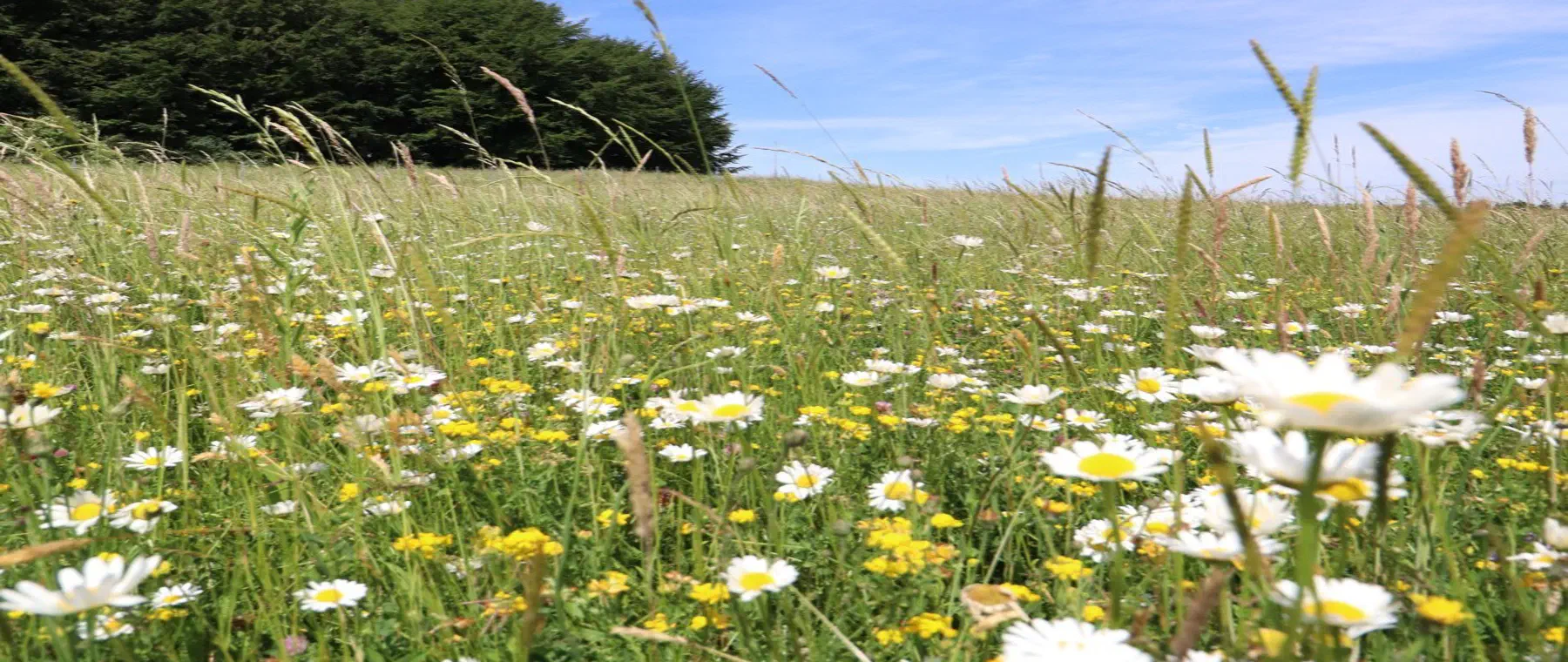
Eco-points and compensation areas
District of Nordsachsen
Eco-points and compensation measures in Nordsachsen District, assessed and accounted for according to the Saxon Eco-Account Ordinance (SächsÖKoVO). greeNature accompanies project developers nationwide from land search to recognised measure, from Dübener Heath to the Elbe floodplain.
The District of Nordsachsen at a glance
Nordsachsen District is located in the north of the Free State of Saxony and extends from the Leipzig lowland basin in the west to the Elbe in the north-east. The administrative seat is the former residence city of Torgau, the largest city is Delitzsch. With around 2,029 km², Nordsachsen ranks among the largest districts in Saxony. Since the Saxon administrative reform, there are no longer administrative regions, which have been replaced by the Saxon State Directorate.
In terms of natural regions, the majority of the district belongs to the BfN natural region D10 Elbe-Mulde Lowland, characterised by Saale and Weichsel-era deposits, valley sand areas, inland dunes and the Elbe and Mulde floodplains. Large forest areas such as the Dübener Heath and the Dahlener Heath with their sandy soils, peatlands and heathland characterise the landscape. The south around Oschatz and Mügeln transitions into the loess-dominated hilly land of the natural region D19 Saxon Elbe and Loess Hilly Land.
Ecologically significant are the Natura 2000 sites in the district: the EU bird protection area Dübener Heath with the FFH and nature conservation site Presseler Heathland and Moorland (around 4,220 ha, with the peatlands Zadlitzbruch and Wildenhainer Bruch), Dahlener Heath and the Elbe floodplain and pond areas near Torgau. These areas are home to strictly protected species such as great crested newt, otter, beaver and Barbastelle bat, as well as breeding birds such as crane and black stork.
Compensation requirements arise in Nordsachsen mainly from logistics and air transport at Leipzig/Halle airport (Schkeuditz), from the expansion of transport routes (A14, A9 and federal roads), from ground-mounted photovoltaic systems and wind energy, as well as from settlement and commercial development in the Leipzig hinterland. Impacts are compensated according to §§ 13 to 15 BNatSchG, pre-implementation can be recognised via eco-accounts according to SächsÖKoVO.
🗺️ Associated natural regions
Go to natural region D10 ›
Go to natural region D19 ›
📍 Selected municipalities
🌿 Ecological features
- EU bird protection area Dübener Heath, large woodland and peatland area with sandy soils
- FFH and nature conservation site Presseler Heathland and Moorland (around 4,220 ha) with the peatlands Zadlitzbruch and Wildenhainer Bruch
- EU bird protection area Dahlener Heath, predominantly wooded end moraine landscape
- SPA Elbe floodplain and pond areas near Torgau as well as FFH site Großer Teich Torgau, important staging and breeding area
- EU bird protection area Wermsdorfer pond and forest area
- Near-natural Elbe floodplain between Torgau and Belgern as part of the Elbe river landscape
- Loess-characterised hilly land in the south around Oschatz and Mügeln (transition to natural region D19)
✅ greeNature on the ground
greeNature operates nationwide and handles compensation in Nordsachsen according to Saxon law. We work with assessment and accounting according to SächsÖKoVO, know the requirements of the lower nature conservation authority at Nordsachsen District Office and the natural region characteristics between Dübener Heath, Elbe floodplain and loess hilly land. From needs determination through land search to implementation, management and monitoring, we undertake the entire process.
Typical measures in the district of Nordsachsen
Peatland and wet forest restoration
Re-wetting of peatlands such as Zadlitzbruch and Wildenhainer Bruch in Dübener Heath by raising water levels and removing drainage ditches. This creates habitats for crane, great crested newt and peat-specific dragonflies.
Floodplain restoration on Elbe and Mulde
Reactivation of oxbows and flood channels, connection of floodplain water bodies and development of soft and hardwood floodplain forests. The restored floodplain dynamics create spawning and refuge areas for fish, amphibians and beavers.
Grassland extensification in the Elbe floodplain
Conversion of intensive grassland into species-rich wet and fresh meadows with late mowing regime and adapted grazing. The areas serve meadow-breeding birds such as northern lapwing and snipe as breeding and feeding habitat.
Heathland and dry grassland management
Maintenance of open sand heaths and calcareous grassland in Dübener and Dahlener Heath through scrub removal, sheep grazing and sod-cutting. This open land management secures habitats for sand lizard, woodlark and warmth-loving insects.
Flowing water restoration
Removal of reinforcement, creation of riparian strips and promotion of structural diversity on Mulde, Lossa and smaller streams. This benefits kingfisher, otter and aquatic fauna.
Near-natural forest conversion
Development of site-appropriate deciduous mixed forests from pine plantations in the heathland areas, enriched with old and dead wood. Cavity-rich stands provide habitat for bats, black woodpecker and stag beetle.
Protected species in the Elbe-Mulde lowland between Leipzig Land and Dübener Heath
Crane and peatland species
The crane nests in the wet peatlands of Presseler Heathland and Moorland, the area is also a staging post for numerous migratory birds. Re-wetting and disturbance mitigation are typical compensation approaches here.
Sand lizard
Characteristic species of the sand heaths, forest edges and railway embankments in Dübener and Dahlener Heath. In infrastructure and open-space projects, it is a frequent target species for which precautionary CEF measures such as sunny stone and sand lines are created.
About this species ›Bats
Barbastelle bat and Natterer's bat (both FFH Annex II) use the old and dead wood-rich forests of the heathland areas as hunting and roost habitat. Roost securing and forest conversion are common measures.
About this species ›Black stork
The disturbance-free forests of Dübener and Dahlener Heath with their streams and forest pools offer the black stork breeding and feeding habitat. For projects near nest sites, disturbance mitigation and maintenance of feeding water bodies are relevant.
About this species ›Great crested newt
The great crested newt (FFH Annexes II and IV) inhabits fish-free small water bodies in peatlands, floodplains and pond landscapes in the district. Creation and networking of breeding water bodies are among the typical CEF measures.
About this species ›Northern lapwing and meadow-breeding birds
The northern lapwing nests on wet grassland and in open lowlands of the Elbe floodplain but suffers from drainage and intensive use. Extensification and re-wetting of floodplain grassland support its populations.
About this species ›Which projects trigger a compensation obligation?
Logistics and air transport
Leipzig/Halle airport at Schkeuditz with the DHL hub is one of Europe's largest freight locations. Expansions of operating, freight and commercial areas in the northern Leipzig area regularly generate significant compensation requirements under Saxon law.
Transport and infrastructure
Expansion of motorways A14 and A9, federal and state roads, bypasses and railway lines trigger compensation and replacement obligations. greeNature provides suitable land and measures.
Energy and renewable projects
Ground-mounted photovoltaic systems on conversion and arable land, wind energy in forest edge and open land locations, and reuse of former mining and landfill sites require nature conservation compensation and species protection checks.
Settlement and commerce in the Leipzig hinterland
Residential and commercial areas in Taucha, Schkeuditz, Rackwitz and Delitzsch in the Leipzig suburbs lead to land consumption and sealing. Suitable landowners can participate as compensation land providers.
From enquiry to monitoring
Contact and enquiry
Tell us your compensation requirement and the natural region. We check availability.
Offer and advice
A transparent offer covering measure types, scope and availability.
Coordination with authorities
Full coordination with the lower nature conservation authority. We handle everything.
Long-term monitoring
Permanent securing of the land, management and documentation across the contract term.
Eco-points in adjoining districts
All about eco-points
in the district of Nordsachsen
Request eco-points in the district of Nordsachsen
We will promptly prepare a transparent offer with matching eco-points held in stock in the district of Nordsachsen.