Eco-points and compensation areas
City of Worms
Eco-points and compensation areas immediately available for the independent city of Worms, assessed under the Landeskompensationsverordnung Rheinland-Pfalz (LKompVO). greeNature operates nationwide and knows the compensation practice in the Oberrheinebene between the Rheinaue, Wonnegau and Pfrimmtal.
The City of Worms at a glance
Worms is an independent city in the east of Rhineland-Palatinate and lies on the left bank of the Rhein in the Oberrheinische Tiefebene. As an independent city, Worms performs the duties of the lower nature conservation authority itself, responsible is the Office for Environmental Protection and Agriculture of the city administration. Administrative regions have not existed in Rhineland-Palatinate since the administrative reform in the year 2000.
In terms of natural regions, the city area belongs to the BfN major landscape Oberrheinisches Tiefland (D53). The east is shaped by the broad Rheinniederung, with Rhein oxbows, remnants of riparian forest and wet Rhein meadows, while the western districts rise towards the loess-covered edge of the Wonnegau. Smaller watercourses such as the Pfrimm and Eisbach cross the city area and offer restoration potential.
Ecologically, the most significant area is the Rheinaue with the Wormser Ried nature reserve, which is part of the large-scale FFH area Rheinniederung Ludwigshafen, Worms. Reed beds, oxbows, remnants of riparian forest and groundwater-fed ditches form habitats for numerous birds, amphibians and dragonflies. In addition, there are landscape protection areas along the Pfrimm, the Eisbach and in the Rheingebiet.
Worms is a significant industrial and wine-trading location. Chemical industry, manufacturing, logistics at the Rhein port, and the long-standing wine-growing tradition of the Wonnegau shape the economy. Residential and commercial areas, infrastructure and business expansions regularly trigger impacts whose compensation must be provided under §§ 13 to 15 BNatSchG and the LKompVO.
🗺️ Associated natural regions
Go to natural region D53 ›
📍 City districts
🌿 Ecological features
- FFH area Rheinniederung Ludwigshafen, Worms, with the Wormser Ried nature reserve (old Rhein channel, remnants of riparian forest, reed beds)
- Spieß nature reserve, An der Spießbrücke
- Rheinhessisches Rheingebiet, Pfrimmaue and Eisbachauen landscape protection areas
- Oberrheinische Tiefebene with the Rheinaue, oxbows and wet Rhein meadows
- Transition to the loess-shaped Wonnegau, with a warm, dry Upper Rhein climate
- Pfrimm and Eisbach as urban watercourses with restoration potential
✅ greeNature on the ground
greeNature operates nationwide and is represented in Rhineland-Palatinate with its own site. We know the Landeskompensationsverordnung (LKompVO), the binding practical guide for determining the compensation requirement, and the maintenance of eco-accounts in the state-wide compensation register (KSP). For projects in Worms, we secure suitable land, plan enhancements typical of the natural region such as floodplain and watercourse development, grassland extensification and reptile habitats, and coordinate them with the Office for Environmental Protection and Agriculture as the city's lower nature conservation authority. Where species protection requirements arise under § 44 BNatSchG, we design advance CEF measures that continuously safeguard the ecological function for the affected species.
Typical measures in the city of Worms
Floodplain and old-Rhein-channel development
Reconnection and enhancement of Rhein oxbow branches and ditches in the Rheinniederung, development of reed beds, riparian forest and shallow-water zones as habitat for waterfowl, amphibians and dragonflies.
Desealing and inner-city development
Removal of sealed surfaces within the city area, greening and soil enhancement, compensation for new sealing through production-integrated and area-wide desealing measures in the urban space.
Grassland extensification, Rhein meadows
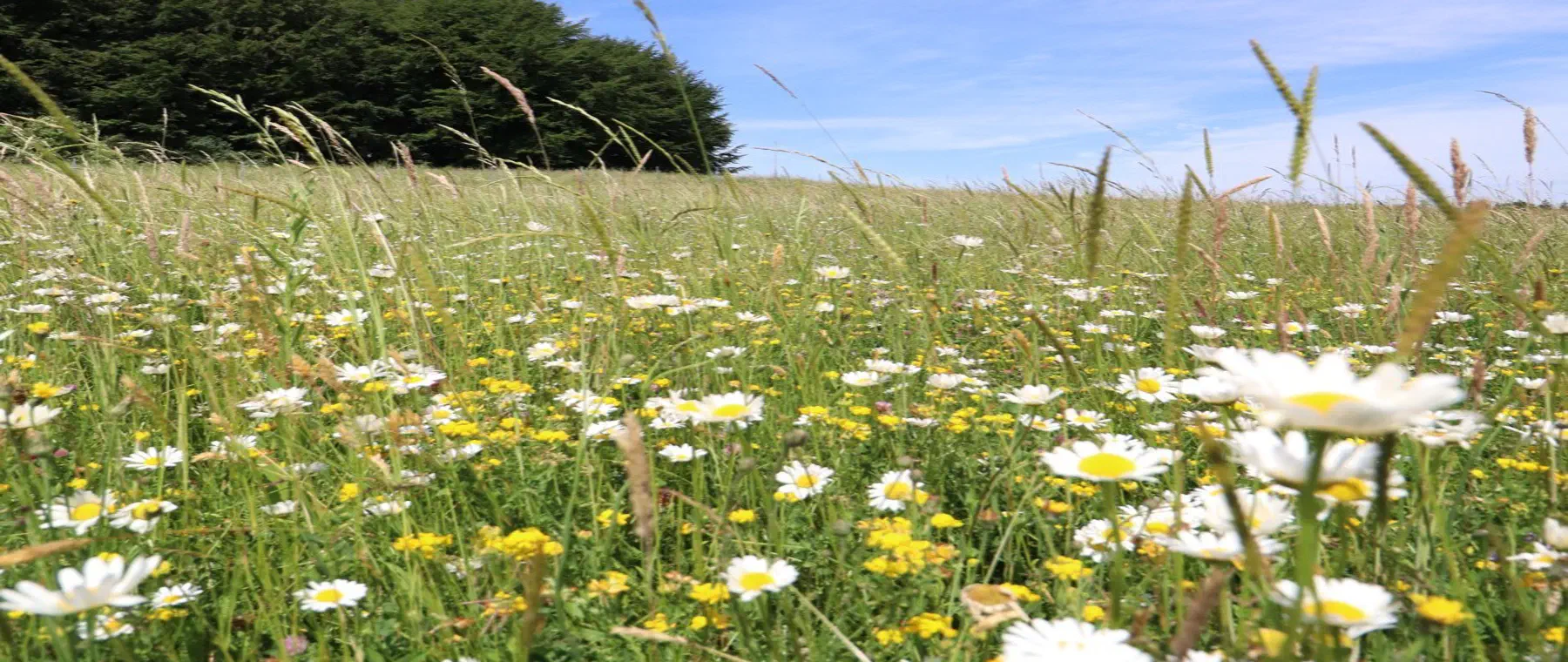
Conversion of intensively used land into species-rich wet and mesic meadows in the Rheinaue, with adapted mowing and wet patches as breeding and foraging habitat for meadow-breeding birds.
Small water bodies and amphibian habitats
Creation of sunny spawning waters, ponds and connected wet hollows in the floodplain and surrounding area, targeted enhancement for amphibians including advance CEF measures.
Traditional orchards and village-edge greening
Establishment and management of traditional orchard stands and woody fringes on the village edges of the western districts, nesting and foraging habitat for cavity-nesting birds, little owl and bats.
Reptile and fringe habitats
Dry stone walls, stone piles, sunny embankments and fringes along railway embankments and paths as habitats and connecting structures for the sand lizard.
Protected species in the City of the Nibelungs on the northern Oberrhein
Amphibians of the Rheinaue
The wet hollows, oxbows and ditches of the Rheinniederung are home to the European tree frog, green toad and other amphibians. Newly created spawning waters and connected wetland habitats are proven enhancement and CEF measures.
About this species ›Great crested newt
The great crested newt, protected under Annex II of the FFH Directive, occurs in groundwater-influenced small water bodies and remnants of riparian forest in the Rheinaue. Impacts in its vicinity trigger species protection assessments and the creation of replacement spawning waters.
About this species ›Northern lapwing and meadow-breeding birds
The northern lapwing breeds in the wet Rhein meadows and grassland areas of the lowland. Extensification, wet patches and adapted management secure its breeding and resting habitats as part of compensation concepts.
About this species ›Sand lizard
Railway embankments, sunny embankments and warm, dry fringes within the city area provide suitable habitats for the sand lizard. It is a common target species in construction, transport and photovoltaic projects and regularly requires advance CEF measures.
About this species ›Bats
The common pipistrelle, serotine bat and other species hunt over the floodplain, gardens and water bodies and take up roosts in buildings, cellars and tree cavities. Impacts on buildings and woody vegetation trigger assessments under § 44 BNatSchG.
About this species ›Kingfisher and bank-dwelling species
On Rhein oxbow branches, the Pfrimm and the Eisbach, the kingfisher finds steep banks and fish-rich waters. Near-natural bank development, steep banks and the restoration of watercourses strengthen its populations.
About this species ›Which projects trigger a compensation obligation?
Housing and inner-city development
New residential quarters, conversion sites and densification within the city area lead to land sealing, the compensation for which must be provided through eco-points and compensation areas under the LKompVO. greeNature supports assessment and land provision.
Commerce, logistics and Rhein port
The Rhein port and the commercial and industrial areas of Worms are being further developed. Business expansions and logistics and warehouse construction trigger impacts, for which suitable compensation areas and eco-points must be provided.
Transport and infrastructure
Expansion and renewal of Rhein crossings such as the Nibelungenbrücke (B 47), bypasses, and railway and pipeline routes regularly lead to compensation and replacement obligations under §§ 13 to 15 BNatSchG.
Industry and energy
Chemical industry and energy projects, including ground-mounted photovoltaic installations in the surrounding area, generate a compensation requirement under the LKompVO and can necessitate species protection CEF and FCS measures.
From enquiry to monitoring
Contact and enquiry
Tell us your compensation requirement and the natural region. We check availability.
Offer and advice
A transparent offer covering measure types, scope and availability.
Coordination with authorities
Full coordination with the lower nature conservation authority. We handle everything.
Long-term monitoring
Permanent securing of the land, management and documentation across the contract term.
Eco-points in adjoining districts
All about eco-points
in the city of Worms
Request eco-points in the city of Worms
We will promptly prepare a transparent offer with matching eco-points held in stock in the city of Worms.