Eco-points and compensation areas
City of Neustadt an der Weinstraße
Officially recognised eco-points and full-service compensation under the Landeskompensationsverordnung (LKompVO) of Rhineland-Palatinate. greeNature solutions supports projects in Neustadt an der Weinstraße, in the Pfälzerwald, on the Haardtrand and in the adjoining Rhein plain, from land search through recognition as an eco-account to implementation, management and monitoring.
The City of Neustadt an der Weinstraße at a glance
Neustadt an der Weinstraße is an independent city in Rhineland-Palatinate and part of the Rhine-Neckar Metropolitan Region. Rhineland-Palatinate has no longer been divided into administrative regions since the year 2000, the responsible state intermediate authority is the Struktur- und Genehmigungsdirektion Süd (SGD Süd), which is based in Neustadt. The city area comprises the core city and nine incorporated wine villages (Hambach, Mußbach, Haardt, Gimmeldingen, Königsbach, Diedesfeld, Geinsheim, Duttweiler and Lachen-Speyerdorf).
In terms of natural regions, the city lies on the border of two BfN major landscapes. The west belongs to the Pfälzerwald (D51), Germany's largest contiguous forest area, with the Kalmit (673 m) as the highest peak of the Palatinate. The east, with the wine villages of the Rhein plain, belongs to the Oberrheinisches Tiefland (D53). Between the two, the Haardtrand forms a climatically favoured transitional fringe that carries the vineyard sites along the Deutsche Weinstraße.
Ecologically defining is the Pfälzerwald-Nordvogesen UNESCO Biosphere Reserve. The western part of the city area lies within the FFH area Biosphärenreservat Pfälzerwald (6812-301) and the bird protection area of the same name (6812-401), which is a breeding area for, among others, black stork, peregrine falcon and eagle owl. The warm hillsides of the Haardtrand are home to the cirl bunting and rock bunting as avifaunistic specialities, while the Speyerbach and Rehbach connect woodland and the Rhein plain.
Economically, the city is shaped by wine-growing (Neustadt is among the largest wine-growing municipalities in Germany), tourism, administration and commerce. Residential and commercial development, transport projects and the inner-city development of the core city regularly trigger impacts whose compensation must be provided under §§ 13 to 15 BNatSchG and the LKompVO of Rhineland-Palatinate.
🗺️ Associated natural regions
Go to natural region D53 ›
Go to natural region D51 ›
📍 City districts
🌿 Ecological features
- Pfälzerwald-Nordvogesen UNESCO Biosphere Reserve, whose German core forms Germany's largest contiguous forest area and occupies the west of the city area
- FFH area Biosphärenreservat Pfälzerwald (6812-301), with extensive beech and oak mixed woodland, Bunter sandstone rock habitats and near-natural stream valleys
- Pfälzerwald bird protection area (6812-401), a breeding area for, among others, black stork, peregrine falcon and eagle owl
- Haardtrand as a climatically favoured transition between the Pfälzerwald and the Rhein plain, with dry stone walls, disused vineyards and occurrences of cirl bunting and rock bunting
- Kalmit (673 m) as the highest peak of the Pfälzerwald and the Palatinate, situated south-west of the core city
- Speyerbach and Rehbach as watercourses connecting woodland and the Rhein plain, as well as the open arable landscape of the Rhein plain around Geinsheim, Duttweiler and Lachen-Speyerdorf
✅ greeNature on the ground
greeNature solutions operates nationwide and manages compensation in Neustadt an der Weinstraße, in the Pfälzerwald, on the Haardtrand and in the Rhein plain. From project practice, we know the Landeskompensationsverordnung (LKompVO) of Rhineland-Palatinate, the habitat-value-based assessment procedure and coordination with the lower nature conservation authority of the city administration. From land search through recognition as an eco-account to implementation, management and monitoring, we handle the complete process.
Typical measures in the city of Neustadt an der Weinstraße
Restoration of the Speyerbach and Rehbach
Near-natural watercourse development, removal of bank reinforcements and reconnection of floodplains along the streams that connect the Pfälzerwald with the Rhein plain. Such measures create habitat for kingfisher, fish and amphibians and combine watercourse ecology with flood precaution.
Management of disused vineyards and dry stone walls
Scrub clearance and the keeping open of abandoned steep vineyard sites on the Haardtrand, as well as the repair of dry stone walls. The warm, dry slopes are habitat for the sand lizard, heat-loving wild bees and rare birds such as the cirl bunting and rock bunting.
Grassland extensification in the Rhein plain
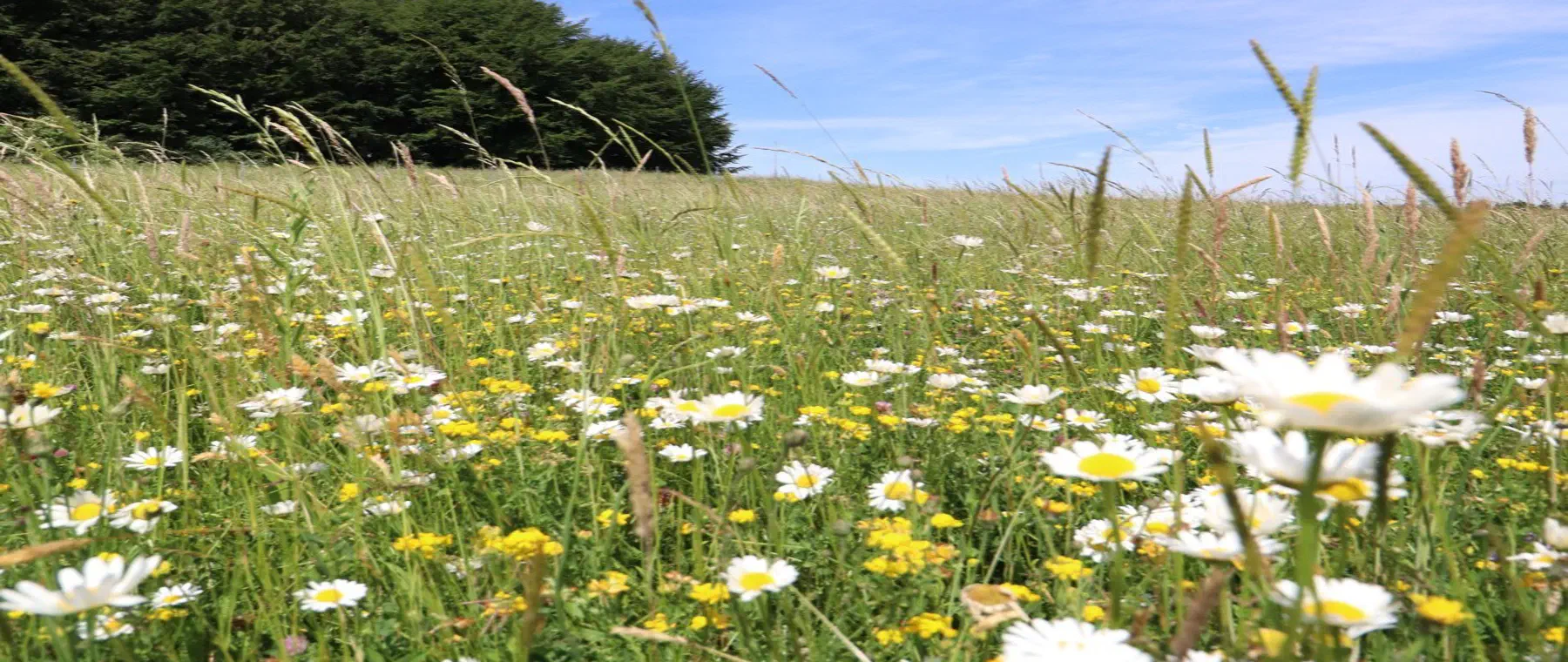
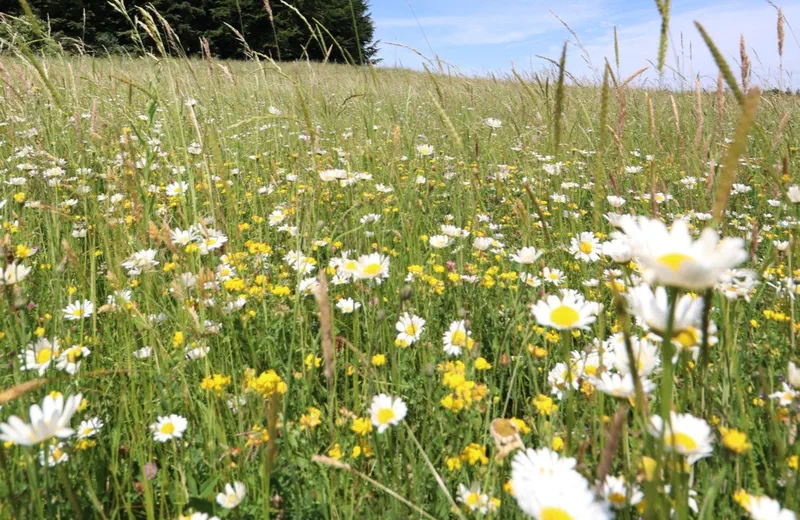
Development of species-rich meadows around Geinsheim, Duttweiler and Lachen-Speyerdorf through adapted mowing, forgoing fertiliser and extensive grazing. Structurally rich open land benefits farmland birds and insects of the cultural landscape.
Desealing and inner-city development
Removal of sealed surfaces, desealing of courtyard areas and enhancement of inner-city open spaces as part of core city development. Desealing is a high-value compensation contribution in the urban environment and improves the water balance and microclimate.
Deciduous and mixed woodland development in the Pfälzerwald
Conversion of structurally poor stands into site-appropriate beech and oak mixed woodland, along with the promotion of old and dead wood. Such woodland enhances habitats for the European wildcat, black stork and cavity-dwelling bats.
Species protection, CEF and FCS
Replacement habitats for the sand lizard on embankments and railway embankments, roosts for bats on buildings and in woodland, and steep banks for kingfisher, each as an advance CEF measure or population-supporting FCS measure under § 44 BNatSchG.
Protected species in the Pfälzerwald, Haardtrand and Weinstraße
European wildcat
The Pfälzerwald is home to a significant population of the strictly protected European wildcat. Structurally rich deciduous woodland, old and dead wood, and connected woody structures between the woodland areas are decisive.
About this species ›Bats
Woodland, Bunter sandstone rock formations, old tunnels and buildings within the city area serve numerous bat species as roosts, and the surrounding woodland and stream valleys as hunting grounds. Roost protection and replacement are common species protection measures for impacts.
About this species ›Black stork
The black stork breeds in the low-disturbance deciduous woodland of the Pfälzerwald and uses near-natural streams as foraging habitat. Forest quiet zones and the restoration of watercourses are typical support measures.
About this species ›Sand lizard
The warm, favourably situated vineyard sites, dry stone walls, embankments and railway embankments on the Haardtrand are habitat for the sand lizard. In residential and infrastructure projects, it is a common target species for advance CEF measures.
About this species ›Kingfisher
On the Speyerbach and Rehbach, the kingfisher breeds in natural eroding banks. CEF measures include modelling steep banks, allowing bank dynamics, and securing structurally rich watercourse sections.
About this species ›Amphibians
In the stream valleys and spring areas of the Pfälzerwald, species including the fire salamander and yellow-bellied toad occur. Newly created small water bodies and ponds are proven compensation measures for amphibians.
About this species ›Which projects trigger a compensation obligation?
Housing and inner-city development
New development areas in the wine villages, as well as densification and inner-city development of the core city, require compensation under nature conservation law in accordance with the LKompVO. greeNature supports project developers with assessment and land provision.
Commercial and infrastructure areas
Commercial and administrative sites, as well as municipal infrastructure projects, trigger impacts. Owners of suitable land in the surrounding area can provide compensation areas as land providers.
Transport and rail
Expansion and conversion of federal and state roads, as well as projects on the railway line through the city area, generate compensation and replacement obligations. greeNature provides suitable compensation areas and handles liaison with the authorities.
Wine-growing and ground-mounted photovoltaics
Vineyard land consolidation as well as ground-mounted photovoltaics on the edge of woodland and vineyards require compensation and, in some cases, species protection CEF and FCS measures, for example for reptiles and farmland birds.
From enquiry to monitoring
Contact and enquiry
Tell us your compensation requirement and the natural region. We check availability.
Offer and advice
A transparent offer covering measure types, scope and availability.
Coordination with authorities
Full coordination with the lower nature conservation authority. We handle everything.
Long-term monitoring
Permanent securing of the land, management and documentation across the contract term.
Eco-points in adjoining districts
All about eco-points
in the city of Neustadt an der Weinstraße
Request eco-points in the city of Neustadt an der Weinstraße
We will promptly prepare a transparent offer with matching eco-points held in stock in the city of Neustadt an der Weinstraße.