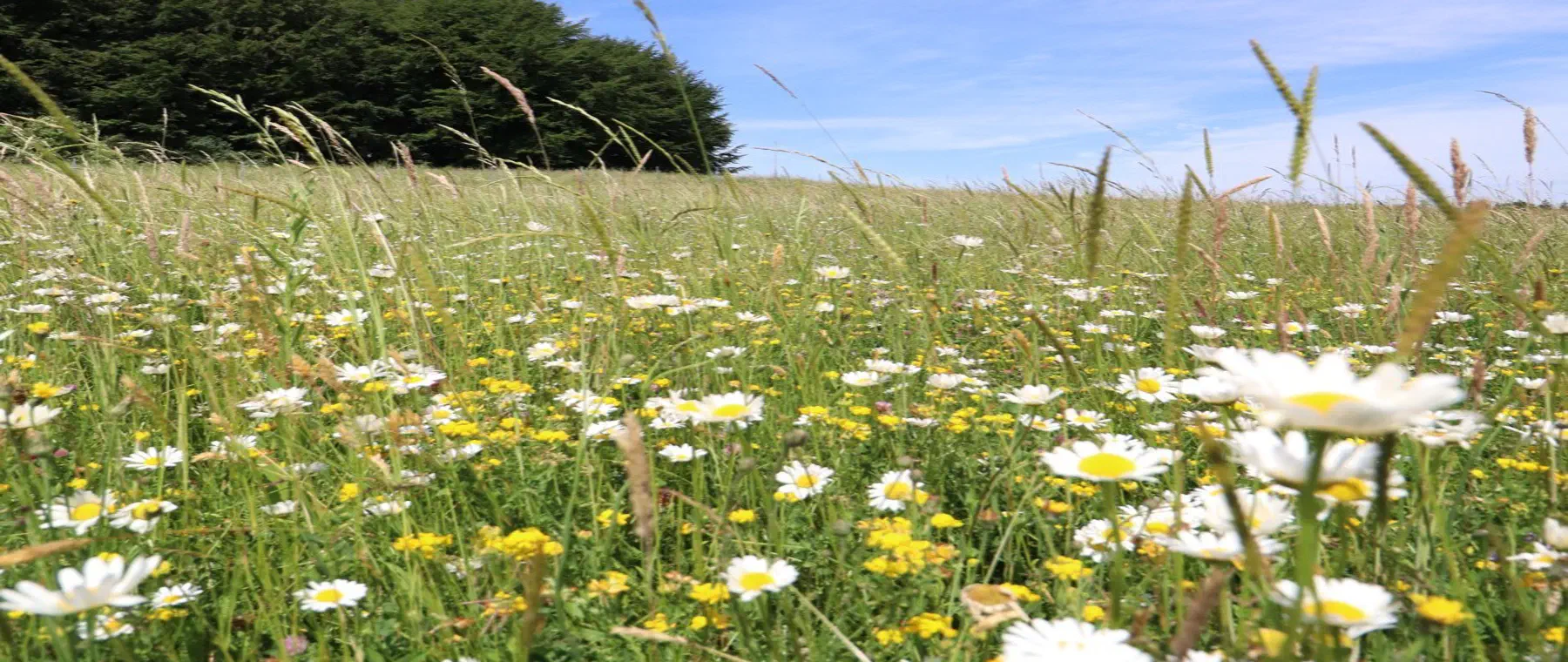
Eco-points and compensation areas
City of Ludwigshafen am Rhein
Eco-points immediately available from officially recognised eco-accounts. greeNature solutions supports your compensation under the Landeskompensationsverordnung (LKompVO) Rhineland-Palatinate in the independent city of Ludwigshafen am Rhein, nationwide and as a full-service partner.
The City of Ludwigshafen am Rhein at a glance
Ludwigshafen am Rhein is an independent city in the Vorderpfalz and lies on the left bank of the Rhine, opposite Mannheim. With around 177,000 inhabitants across some 77 square kilometres, Ludwigshafen is the largest city in the Palatinate and a core area of the Rhine-Neckar metropolitan region. The city surrounds the administrative seat of the Rhein-Pfalz-Kreis but, as an independent city, does not belong to its district area.
In terms of natural regions, the city area lies in the Oberrheinische Tiefebene (Upper Rhine lowland), specifically in BfN natural region D53 (Vorderpfalz). Defining features are the flat Rhine lowland with fertile floodplain and loess soils in the east and warm, dry sandy and alluvial fan sites in the west. The mild climate of the Upper Rhine Rift is among the warmest in Germany.
Despite heavy development through industry and settlement, significant open spaces remain within the city area. The Maudacher Bruch, a silted-up former Rhine channel and today a landscape protection area of around 575 hectares, is a species-rich habitat with its wet meadows, reed beds and small water bodies. In addition, there are the Rhine floodplains at the Parkinsel, the Rehbach valley and the Wildpark in the south, as well as remnants of floodplain woodland along the river.
Ludwigshafen is one of the largest industrial sites in Germany and home to BASF, the largest continuous chemical site in Europe. Plant renewals, commercial and logistics areas, transport infrastructure and residential development in the densely built-up city area regularly trigger impacts under sections 13 to 15 BNatSchG. The assessment is based on the Landeskompensationsverordnung (LKompVO), and advance measures can be recognised via an eco-account and used as eco-points.
🗺️ Associated natural regions
Go to natural region D53 ›
📍 City districts
🌿 Ecological features
- Maudacher Bruch, a silted-up former Rhine channel and landscape protection area of around 575 hectares with wet meadows, reed beds and small water bodies
- Rhine floodplains at the Parkinsel with remnants of softwood floodplain woodland along the riverbank
- Rehbach valley and Wildpark in the south of the city as near-natural water and woodland areas
- Warm, dry sandy and alluvial fan sites in the west with warmth-loving species
- Location in the Upper Rhine Rift, one of the climatically warmest regions in Germany
- Rhine lowland as part of the supra-regional habitat network along the river
✅ greeNature on the ground
greeNature operates nationwide and knows the responsible authorities and nature conservation law in Rhineland-Palatinate. From land selection through recognition in the eco-account to implementation under the Landeskompensationsverordnung (LKompVO), we support your compensation project in Ludwigshafen as a direct point of contact, in close coordination with the city administration's lower nature conservation authority.
Typical measures in the city of Ludwigshafen am Rhein
Watercourse restoration
Near-natural conversion of the Rehbach, former Rhine channels and the waters of the Maudacher Bruch creates spawning and refuge habitats and strengthens the habitat network along the Rhine.
Desealing in the urban area
Removal of transport and commercial areas no longer in use, and greening of sealed ground, improve the water balance and habitat provision in the densely built-up city area.
Grassland enhancement in the surrounding area
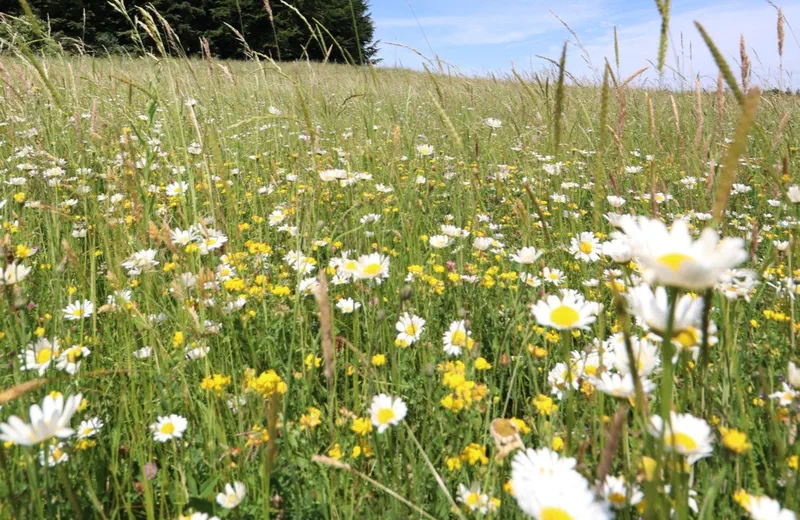
Extensification of wet and mesic meadows in the Rhine lowland and the Maudacher Bruch promotes species-rich grassland as compensation for land sealing.
Floodplain woodland development
Conservation and development of softwood floodplain woodland at the Parkinsel and the Rhine banks secure rare, floodplain-typical woodland communities and their wildlife.
CEF/FCS species protection
Creation of sand, stone and dead-wood structures on railway embankments and fallow land as advance CEF measures for the sand lizard, supplemented by bat roosts and nesting aids.
Hedgerows & habitat network
Creation of hedgerows, field margins and small structures at the settlement edge and in the farmland around Ruchheim and Maudach connects open areas as stepping-stone habitats.
Protected species in the Vorderpfalz and the Rhine lowland on the Upper Rhine
Sand lizard
The warm, dry sandy sites, railway embankments and fallow land in the city area are habitat for the sand lizard. In construction and infrastructure projects, it is a frequent target species requiring advance CEF measures.
About this species ›Amphibians in the Maudacher Bruch
The wet areas and small water bodies of the Maudacher Bruch are home to several amphibian species. Creating and connecting new spawning waters is among the typical compensation measures in the city area.
About this species ›Great crested newt
Fish-free, well-sunlit standing waters of the former Rhine channel depressions provide spawning habitats for the strictly protected great crested newt. Conserving and creating suitable ponds secures its populations.
About this species ›Bats
Floodplain woodland at the Parkinsel and old tree stands in parks and the Wildpark serve bats as roosts and hunting grounds. Roost conservation and replacement roosts secure the local populations.
About this species ›Kingfisher
The kingfisher breeds on near-natural bank sections of the Rehbach and former Rhine channels. Modelling steep faces and conserving structurally rich watercourse banks are effective measures for this strictly protected species.
About this species ›Skylark
The skylark breeds on the open arable land at the western edge of the city around Ruchheim and Maudach, its numbers suffering from intensive land use. Skylark plots and flower strips specifically create breeding and feeding habitats.
About this species ›Which projects trigger a compensation obligation?
Chemicals & industry (BASF)
As the home of BASF and one of the largest industrial sites in Germany, Ludwigshafen continuously generates compensation requirements. Plant renewals, new production areas and pipeline routes regularly trigger impacts under the LKompVO.
Settlement development
Residential development, densification and the conversion of former military and industrial sites within the city area require compensation measures under nature conservation law. Owners of suitable land can offer it as compensation areas.
Transport & infrastructure
Expansion and renewal of federal roads, Rhine bridges, rail facilities and port infrastructure in the densely built-up area trigger compensation and replacement obligations, frequently combined with species protection measures under section 44 BNatSchG.
Commerce & logistics
The establishment and expansion of commercial, port and logistics areas in the Rhine-Neckar metropolitan region generates compensation requirements that can be covered using eco-points from recognised eco-accounts.
From enquiry to monitoring
Contact and enquiry
Tell us your compensation requirement and the natural region. We check availability.
Offer and advice
A transparent offer covering measure types, scope and availability.
Coordination with authorities
Full coordination with the lower nature conservation authority. We handle everything.
Long-term monitoring
Permanent securing of the land, management and documentation across the contract term.
Eco-points in adjoining districts
All about eco-points
in the city of Ludwigshafen am Rhein
Request eco-points in the city of Ludwigshafen am Rhein
We will promptly prepare a transparent offer with matching eco-points held in stock in the city of Ludwigshafen am Rhein.