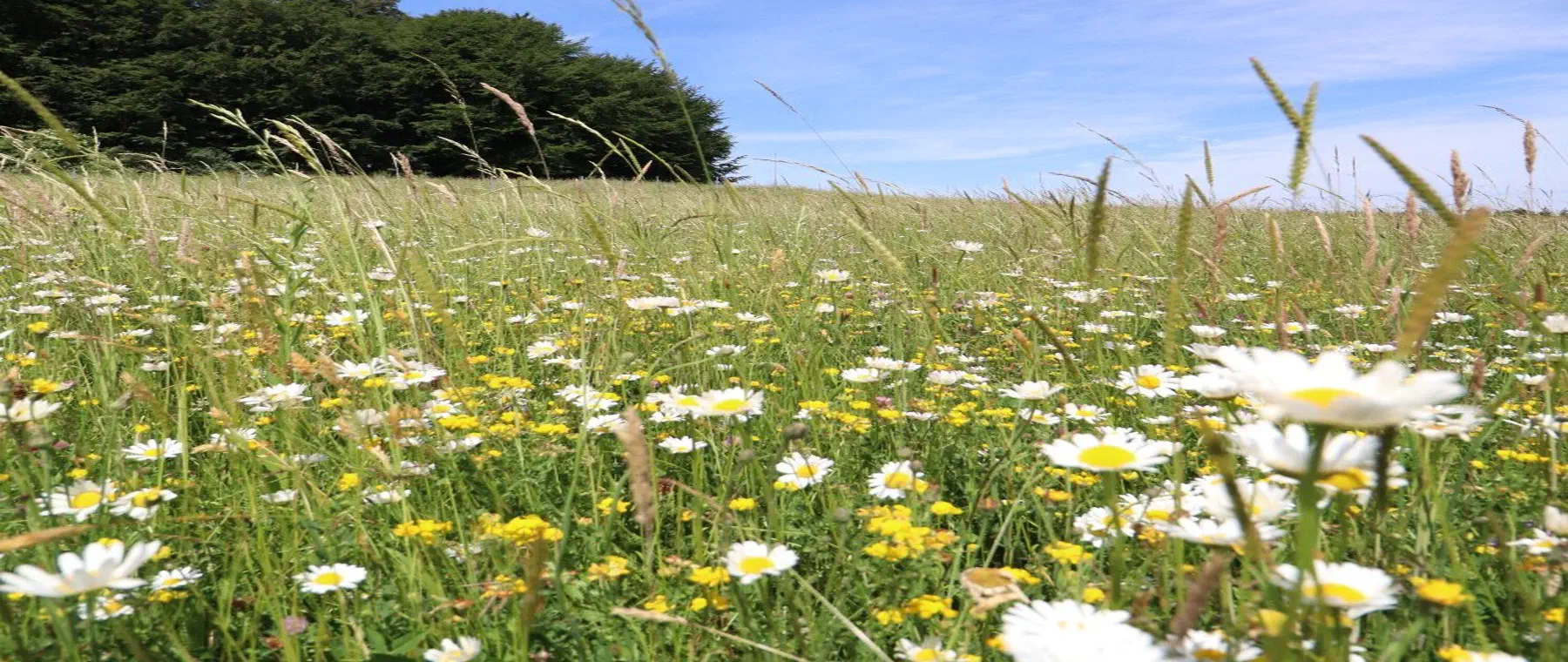
Eco-points and compensation areas
City of Duisburg
Eco-points and compensation areas in the independent city of Duisburg, assessed according to the state's numerical biotope type assessment procedure and managed via eco-accounts under the North Rhine-Westphalia Eco-Account Ordinance and the North Rhine-Westphalia Nature Conservation Act. greeNature operates nationally and is your full-service partner for impact mitigation, species protection and CEF measures at the confluence of Ruhr into Rhine.
The City of Duisburg at a glance
Duisburg is an independent city in the administrative region of Düsseldorf and lies at the confluence of the Ruhr into the Rhine on the lower Lower Rhine, at the western edge of the Ruhr area. With approximately 233 square kilometres, about 502,000 people live there (2022). The city is divided into seven city districts with 46 city quarters.
In terms of landscape, the city area belongs to BfN natural region D35 (Lower Rhenish Lowland). Despite the dense industrial and urban character, the floodplains of Rhine and Ruhr as well as extensive forest areas such as Duisburg City Forest run through the city area and form significant habitats.
Economically, Duisburg Harbour (duisport) as Europe's largest inland port, the steel industry and logistics and commercial sites characterise the city. Ongoing structural change leads to numerous land conversions with nature conservation compensation requirements.
As the lower nature conservation authority, the City of Duisburg assesses and accompanies impacts on nature and landscape under §§ 13 to 15 BNatSchG and the North Rhine-Westphalia Nature Conservation Act.
🗺️ Associated natural regions
Go to natural region D35 ›
📍 City districts
🌿 Ecological features
- The Walsum Rhine floodplain nature reserve (DE-4406-301) in the north, with approximately 495 hectares in the city area, is the southernmost part of the Lower Rhine EU bird protection area and an important resting and breeding area, among other things for wild geese from the north.
- The Lower Rhine EU bird protection area (DE-4203-401) extends with approximately 1,549 hectares into Duisburg's city area and ranks among the internationally significant wetlands on the Lower Rhine.
- The Rhine fish protection zones between Emmerich and Bad Honnef (FFH site DE-4405-301) accompany the Rhine and protect migratory fish species and their spawning habitats.
- The Six Lakes Plateau and Duisburg City Forest in the south form a large city-near forest, water and recreational area with high ecological significance from former gravel pits.
- Numerous industrial brownfields, railway facilities and mining heaps have become secondary habitats for thermophilic species such as sand lizard and play an important role in the Ruhr area's habitat network.
- Large conversion areas of structural change, such as the former shunting yard in Wedau, are being developed into new residential and commercial quarters and trigger extensive compensation requirements.
✅ greeNature on the ground
In Duisburg, dense industrial and urban use directly meets high-value floodplain landscapes of Rhine and Ruhr. We support project developers throughout the city in impact mitigation under §§ 13 to 15 BNatSchG, from determining biotope value through the LANUV numerical assessment procedure to legally secure compensation areas. Compensation measures and eco-points are based on the North Rhine-Westphalia Eco-Account Ordinance and the North Rhine-Westphalia Nature Conservation Act. Where projects affect European protected species, we examine the prohibition provisions of § 44 BNatSchG and, if necessary, develop advance compensation measures (CEF) and measures to secure conservation status (FCS). Especially in urban areas, unsealing, the enhancement of brownfields and the restoration of water bodies offer effective approaches. As a nationally active specialist company, we combine supra-regional experience with knowledge of Lower Rhine floodplains and coordination with the lower nature conservation authority of the City of Duisburg.
Typical measures in the city of Duisburg
Restoration of Rhine and Ruhr water bodies
Naturally-oriented bank design, reconnection of oxbows and the enhancement of secondary water bodies such as Dickelsbach create dynamic, ecologically valuable flowing and floodplain waters.
Unsealing of industrial and commercial brownfields
The removal of sealed land at conversion sites restores soil, water balance and vegetation and creates new habitat in the densely built urban area.
Grassland extensification in western Duisburg
Late cutting, abstention from fertilizer and adapted grazing in the Rhine forelands near Baerl and Rheinhausen promote meadow-breeding birds and wetland grassland biodiversity.
Naturally-oriented forest conversion in Duisburg City Forest
The development of structured broadleaf forests with old and dead wood improves habitats for bats and woodland-dependent species and strengthens the city-near habitat network.
Creation of small water bodies and shallow pools
New fish-free still water bodies in floodplains and on brownfield sites create spawning habitats for amphibians and specifically enhance wetland habitats.
Secondary habitats on brownfields and railway sites
Sunny sand, gravel and stone structures as well as ruderal vegetation on industrial and railway brownfields secure habitats for thermophilic species such as sand lizard.
Protected species in the Rhine-Ruhr confluence in western Ruhr area
Sand lizard
The sand lizard inhabits sunny railway embankments, industrial brownfields and mining heaps in Duisburg. Sand and stone structures as well as sunny margins secure its habitats and must be considered early in impacts.
About this species ›Northern lapwing
The northern lapwing breeds and rests in the wet grassland of Walsum Rhine floodplain and depends on open, wet meadows. Grassland extensification ranks among the most effective measures for the species.
About this species ›Bats
Old and dead wood in Duisburg City Forest, buildings and former bunker systems provide roosts and hunting habitats for several strictly protected bat species.
About this species ›Kingfisher
The kingfisher breeds in steep banks on Rhine, Ruhr and the Six Lakes Plateau. Naturally-oriented bank collapses and clear, fish-rich waters promote its populations.
About this species ›Great crested newt
The great crested newt uses fish-free small water bodies in floodplains and brownfields. Newly created shallow pools and ditches with structured surroundings secure its spawning waters and terrestrial habitats.
About this species ›Skylark
The skylark inhabits the open arable and grassland areas in the agriculturally characterised west of the city and benefits from skylark windows and extensive margins.
About this species ›Which projects trigger a compensation obligation?
Harbour, logistics and commercial land
The expansion of harbour and logistics sites such as duisport and logport as well as new commercial land claim soil and open space and require land-related compensation.
Housing development on conversion land
Large district developments such as 6-Seen-Wedau and Duisburg Dunes on former railway and industrial sites trigger impact mitigation and species protection assessments.
Transport infrastructure
The construction and expansion of motorways such as A40 and A59, Rhine bridges and railway routes impact floodplains, green areas and brownfields and lead to compensation measures.
Land conversion in structural change
The reuse of closed steel, industrial and railway sites brings extensive demolition, unsealing and compensation obligations, often linked with species protection under § 44 BNatSchG.
From enquiry to monitoring
Contact and enquiry
Tell us your compensation requirement and the natural region. We check availability.
Offer and advice
A transparent offer covering measure types, scope and availability.
Coordination with authorities
Full coordination with the lower nature conservation authority. We handle everything.
Long-term monitoring
Permanent securing of the land, management and documentation across the contract term.
Eco-points in adjoining districts
All about eco-points
in the city of Duisburg
Request eco-points in the city of Duisburg
We will promptly prepare a transparent offer with matching eco-points held in stock in the city of Duisburg.