Eco-points and compensation areas
City of Dortmund
Immediately available eco-points from authority-recognised eco-accounts according to the North Rhine-Westphalia Eco-Account Ordinance. greeNature solutions, your nationally active full-service partner for nature conservation compensation in the Ruhr area and Westphalia.
The City of Dortmund at a glance
With approximately 614,000 inhabitants, Dortmund is the largest city in Westphalia and eastern Ruhr area. The independent city belongs to the Arnsberg administrative region and lies in terms of natural regions in the Westphalian Lowland Bay (D34), in the transition between the Emscher region in the north and the fertile Hellweg Börde in the south and east. In the far south, the city area reaches the Ruhr valley at the edge of the South Bergian Upland.
The contrast between loess-covered Hellweg areas with their fertile arable soils and the lowlands of the Emscher and its secondary streams, shaped by mining and steel industry, is characteristic. Over decades the landscape was technically modified, today it is transforming again into more naturally-oriented structures through large-scale restoration.
Ecologically significant is the Emscher conversion, with which the Emscher Association releases water bodies from technical engineering and shapes them naturally. More than 100 bird species have already been recorded around the Phoenix Lake in Hörde, created on a former steelworks site. Nature reserves such as Bolmke, Dellwiger Valley and Kirchdern Forest and numerous industrial brownfields form a mosaic of floodplain forest, wetlands and secondary habitats.
The economy has transformed from a coal and steel location to a centre for logistics, services and technology. The conversion of large industrial sites such as Westphalia Works or the PHOENIX areas, new residential and commercial areas and transport projects regularly generate substantial compensation requirements under the impact mitigation regulation (§§ 13 to 15 BNatSchG) and the North Rhine-Westphalia Eco-Account Ordinance.
🗺️ Associated natural regions
Go to natural region D34 ›
Go to natural region D38 ›
📍 City districts
🌿 Ecological features
- Bolmke nature reserve, floodplain forest on the Emscher floodplain south of Westphalia Halls
- Dellwiger Valley nature reserve in the west of the city
- Kirchdern Forest nature reserve in the north of Dortmund
- Emscher conversion, decades-long restoration of Emscher and secondary streams
- Phoenix Lake in Hörde, restored Emscher on a former steelworks site
- Fertile Hellweg Börde with loess soils in the south and east
- Large-scale industrial brownfields as secondary habitats for pioneer species
✅ greeNature on the ground
greeNature solutions operates nationally and manages compensation projects also in the Ruhr area and Westphalia. We work according to the North Rhine-Westphalia Eco-Account Ordinance and the North Rhine-Westphalia Nature Conservation Act (LNatSchG), understand the requirements of the lower nature conservation authority at Dortmund Environment Office and the specifics of brownfield recycling and water body restoration in urban settings.
Typical measures in the city of Dortmund
Water body restoration
Removal of technically developed streams and naturally-oriented redesign of Emscher secondary water bodies, creation of floodplain structures, riparian vegetation and retention areas as habitat for kingfisher, amphibians and dragonflies.
Unsealing of brownfields
Removal of sealed industrial, commercial and transport land, restoration of permeable soils and development of site-appropriate vegetation on sites of industrial structural change.
Grassland enhancement
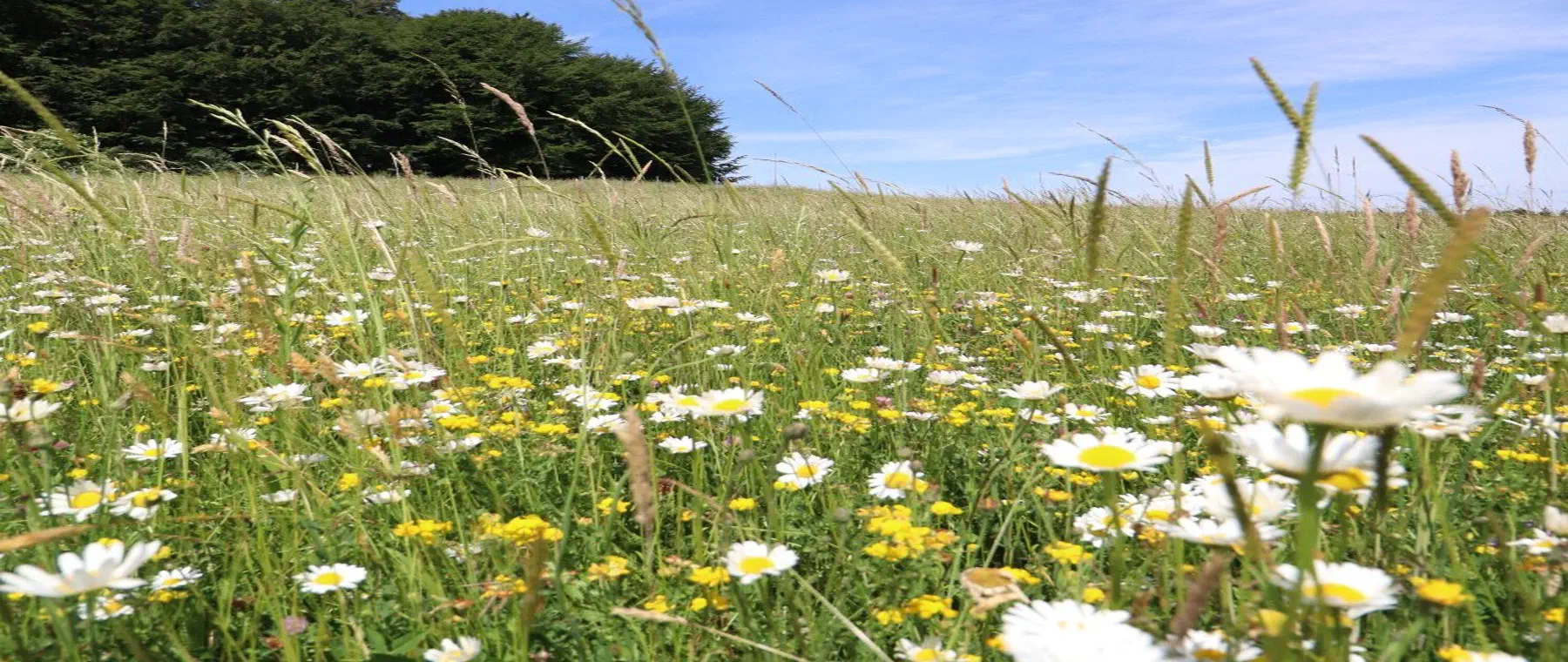
Extensification and enhancement of meadows and pastures in the Hellweg surrounding area, conversion of intensively used arable land into species-rich grassland as habitat for meadow-breeding birds and insects.
Forest development
Conversion of structure-poor stands to site-appropriate broadleaf-mixed forests with oak, hornbeam, alder and ash, supplemented with forest edges and old growth islands.
Species protection CEF/FCS
Advance compensation measures for sand lizard and natterjack toad on railway embankments and industrial brownfields, bat roosts in buildings and vegetation, coordinated with species protection under § 44 BNatSchG.
Hedgerows & habitat networks
Creation of hedgerows, copses and marginal vegetation in the simplified Hellweg arable landscape, networking of green corridors and stepping-stone habitats between Emscher floodplain and Ruhr valley.
Protected species in the Emscher region and Hellweg in eastern Ruhr area
Sand lizard on brownfields
Abandoned railway and industrial land in the city area are preferred habitats for the sand lizard. In impacts, relocations and CEF habitats with sand, stone and dead wood structures are typical measures.
About this species ›Kingfisher on streams
On the restored sections of Emscher and secondary streams with naturally-oriented steep banks, the kingfisher finds breeding opportunities again. The creation of steep banks and bank collapses is an appropriate compensation measure.
About this species ›Bats in the city
Parks, cemeteries, old mine and industrial buildings provide roosts and hunting grounds for common pipistrelle, serotine bat and other species. Roost losses are compensated through substitute roosts and building installations.
About this species ›Northern lapwing on the Hellweg
The northern lapwing breeds on the open arable areas of the Hellweg Börde in the south and east of the city. Wet arable depressions and extensively used grassland areas are effective measures for meadow-breeding bird protection.
About this species ›Skylark on arable land
The expansive field landscapes of the Hellweg zone are habitat for the skylark. Skylark windows, wildflower strips and extensively managed field margins are among the proven compensation measures.
About this species ›Amphibians in brownfield water bodies
Natterjack toad and great crested newt inhabit vegetation-poor small water bodies on industrial brownfields and in restored floodplains. The creation of sunny spawning waters and terrestrial habitats secures these demanding species.
About this species ›Which projects trigger a compensation obligation?
Industrial brownfield recycling
The conversion of former coal and steel sites such as Westphalia Works, the PHOENIX areas or other mining land into residential, commercial and landscape areas is an ongoing task. Such projects regularly trigger compensation requirements and some areas are suitable for enhancement according to the North Rhine-Westphalia Eco-Account Ordinance.
Logistics & commerce
As a significant logistics and commercial centre, Dortmund regularly designates new commercial and logistics areas. Warehouses, transport facilities and sealed areas create compensation and replacement obligations under the impact mitigation regulation.
Housing & settlement development
New residential quarters and densification throughout the city area require nature conservation compensation. Landowners in the surrounding area can offer their land as compensation areas.
Traffic & infrastructure
Expansion of road and rail routes, projects at Dortmund Airport and water management projects as part of the Emscher conversion lead to impacts that are balanced through compensation and CEF measures.
From enquiry to monitoring
Contact and enquiry
Tell us your compensation requirement and the natural region. We check availability.
Offer and advice
A transparent offer covering measure types, scope and availability.
Coordination with authorities
Full coordination with the lower nature conservation authority. We handle everything.
Long-term monitoring
Permanent securing of the land, management and documentation across the contract term.
Eco-points in adjoining districts
All about eco-points
in the city of Dortmund
Request eco-points in the city of Dortmund
We will promptly prepare a transparent offer with matching eco-points held in stock in the city of Dortmund.