Eco-points and compensation areas
District of Borken
Eco-points and compensation areas in Borken district, assessed according to the numerical biotope value procedure and managed via eco-accounts in accordance with the Eco-Account Regulation NRW and section 32 LNatSchG NRW. greeNature operates nationwide and is your full-service partner for impact assessment, species protection and CEF measures in Westmünsterland.
The District of Borken at a glance
Borken district lies in the far west of the Münsterland on the border with the Netherlands and belongs to the administrative region of Münster. With around 1,421 square kilometres, it is one of the largest districts in North Rhine-Westphalia. The district administrative seat is the city of Borken, the largest city is Bocholt. In the ten cities and seven municipalities, approximately 380,000 people live.
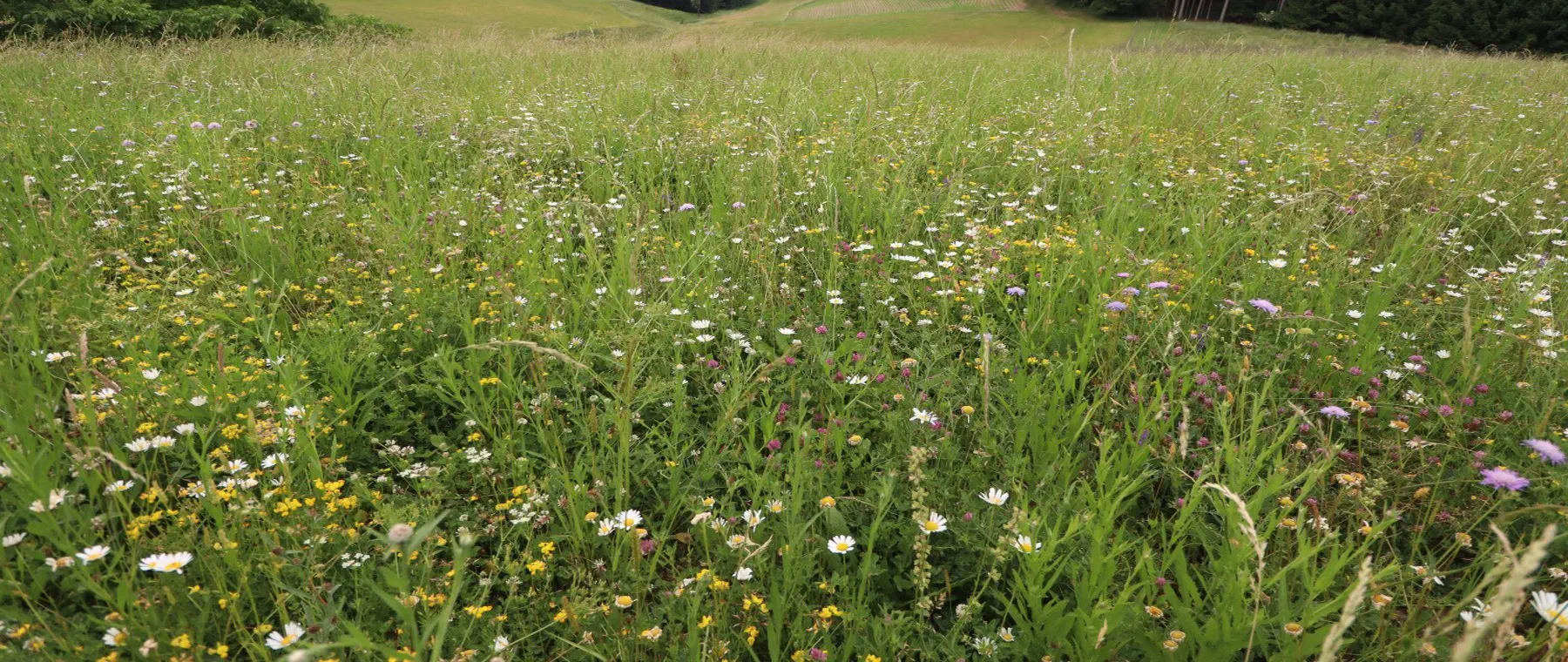
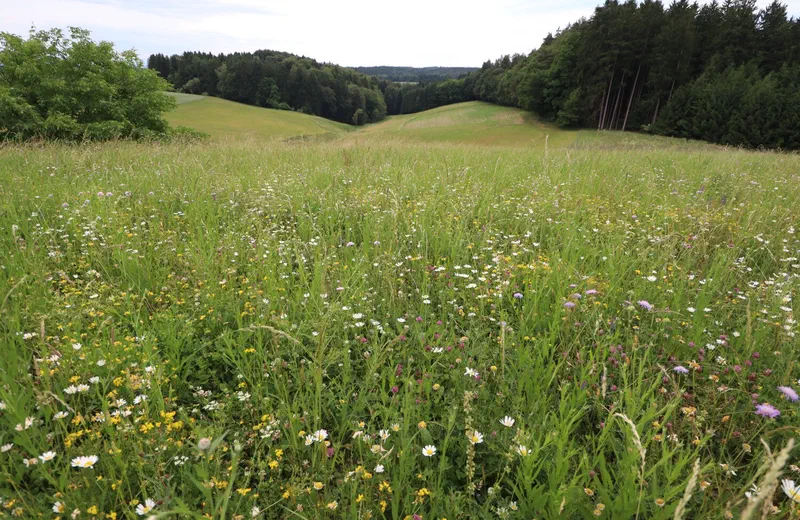
Landscape is characterised by Westmünsterland, a gently undulating, predominantly sandy lowland plain, which fully belongs to the BfN natural region D34 (Westphalian Lowland Basin). Characteristic is the Münsterland parkland with its small-scale alternation of grassland, arable land, hedgerows and small water bodies. The rivers Berkel, Dinkel, Bocholter Aa and Issel drain westward into the Netherlands.
Ecologically significant are the bog and heath areas of western Münsterland. The Zwillbrocker Venn harbours the world's northernmost flamingo breeding colony and together with Amtsvenn, Hündfelder Moor and other fen areas forms part of the bird protection area Bogs and Heaths of Western Münsterland and thus the European Natura 2000 network. Wet meadows and lowlands are habitat for meadow-breeding birds such as the northern lapwing, Münsterland also counts among the most important refuges for the little owl in Central Europe.
Economically, the district is characterised by a powerful medium-sized industry, mechanical engineering, textile and food processing as well as intensive agriculture. As a windy, open landscape, Westmünsterland is one of the focus areas for wind energy in North Rhine-Westphalia. Wind farms and repowering, settlement and commercial development, the expansion of transport routes such as the A31 as well as sand extraction regularly trigger impacts, whose compensation must be provided via the biotope value procedure and eco-accounts under section 32 LNatSchG NRW.
🗺️ Associated natural regions
Go to natural region D34 ›
Go to natural region D35 ›
📍 Selected municipalities
🌿 Ecological features
- Zwillbrocker Venn, nature reserve with the world's northernmost flamingo breeding colony
- Bird protection area Bogs and Heaths of Western Münsterland (Natura 2000)
- Amtsvenn and Hündfelder Moor, one of the largest bog areas in Münsterland
- Berkel, Dinkel and Bocholter Aa as transboundary flowing waters to the Netherlands
- Hedgerow-rich Münsterland parkland with pollard trees and small water bodies
- Little owl populations of statewide significance in open cultural landscape
- Over 108 km shared border with the Dutch provinces of Gelderland and Overijssel
✅ greeNature on the ground
greeNature operates nationwide and manages compensation projects also in Münsterland. We know the numerical biotope value procedure applicable in North Rhine-Westphalia, the requirements of the Eco-Account Regulation NRW and coordination with the lower nature conservation authority of Borken district. For impacts in Westmünsterland, we develop tailor-made compensation, replacement and CEF measures in the sandy lowlands, fen areas and floodplains of natural region D34.
Typical measures in the district of Borken
Bog and heath restoration
Re-wetting of drained bogs and management of sand heaths in the fen areas of western Münsterland, for example around Zwillbrocker Venn and Amtsvenn. Such measures secure bog and heath-typical habitats and sequester carbon.
Floodplain restoration on Berkel and Dinkel
Removal of riverbank structures, connection of oxbows and naturalistic water body development on Berkel, Dinkel and Bocholter Aa. This creates steep banks, shallow water zones and floodplain forest as habitat for kingfisher, fish and amphibians.
Wet grassland and meadow-breeding bird protection
Conversion of intensively used areas into species-rich wet and extensively managed grassland with adapted mowing dates and raised water levels. Such areas are habitat for northern lapwing, curlew and other meadow-breeding birds of the Münsterland lowlands.
Hedgerows and habitat network
Creation and supplementation of the hedgerows typical for Münsterland as well as field copses, pollard trees and small water bodies. These structures link habitats in the parkland and create stepping-stone biotopes for little owl, bats and insects.
Species protection CEF and FCS
Advanced and population-supporting measures under section 44 and section 45 of the Federal Nature Conservation Act, such as replacement habitats for sand lizard on railway embankments and in heaths, kingfisher steep banks, bat roosts and sunny replacement spawning waters for amphibians.
Forest development and new afforestation
Conversion of structurally poor pine forests into site-appropriate deciduous and mixed forests of pedunculate oak, beech and hornbeam as well as new afforestation on suitable sites with promotion of old and deadwood.
Protected species in the Westmünsterland and Bocholter Land
Northern lapwing and meadow-breeding birds
The damp lowlands and grassland areas of Westmünsterland harbour northern lapwing, curlew, black-tailed godwit and snipe. Re-wetting and extensive wet meadow management are the most effective compensation measures here.
About this species ›Little owl in the parkland
Münsterland is one of the most important refuges for the little owl in Central Europe. It breeds in pollard trees and old fruit trees of the hedgerow landscape. Preservation and new creation of traditional orchards, pollard trees and extensive grassland secure its populations.
Kingfisher on Berkel and Dinkel
Naturalistic riverbank sections with steep banks offer the strictly protected kingfisher breeding sites. In impacts on water bodies, steep bank modelling and riverbank restoration are typical CEF measures.
About this species ›Bats in farmyard and landscape
Serotine bat, common pipistrelle and brown long-eared bat use farm buildings, tree cavities and the structured parkland as roosts and hunting grounds. All species are strictly protected (Annex IV of the Habitats Directive), demolition and renovation require replacement roosts as a CEF measure.
About this species ›Amphibians in fen and heath pools
Moor frog, natterjack toad and great crested newt inhabit heath pools, bog waters and fluctuating damp hollows of the fen areas. Newly created, sunny spawning waters in spatial context secure their breeding sites in construction and infrastructure projects.
About this species ›Sand lizard in heaths and on railway embankments
On sand heaths, slopes and railway embankments, the sand lizard is a frequent target species in infrastructure and settlement projects. Replacement habitats with sun, egg-laying and shelter sites are standard species protection compensation.
About this species ›Which projects trigger a compensation obligation?
Wind energy and repowering
As a windy, open landscape, Westmünsterland is one of the focus areas for wind energy in North Rhine-Westphalia. New construction and repowering of wind farms trigger impacts and often require species protection assessments and FCS measures for wind-sensitive species.
Settlement and commercial development
Residential and commercial areas in Bocholt, Ahaus, Gronau and other cities as well as the expansion of medium-sized businesses lead to land sealing and require nature conservation compensation. Landowners can profit as land providers.
Infrastructure and transport
Expansion and renovation of federal and state roads, bypass routes, cycle paths as well as projects along motorway A31 trigger compensation obligations, which are assessed via the numerical biotope value procedure.
Raw material extraction and agriculture
Sand and gravel extraction as well as construction projects in intensive agriculture, such as stable and farm expansions, impact soil and landscape. Reclamation and accompanying compensation can create new habitats, including at extraction water bodies.
From enquiry to monitoring
Contact and enquiry
Tell us your compensation requirement and the natural region. We check availability.
Offer and advice
A transparent offer covering measure types, scope and availability.
Coordination with authorities
Full coordination with the lower nature conservation authority. We handle everything.
Long-term monitoring
Permanent securing of the land, management and documentation across the contract term.
Eco-points in adjoining districts
All about eco-points
in the district of Borken
Request eco-points in the district of Borken
We will promptly prepare a transparent offer with matching eco-points held in stock in the district of Borken.