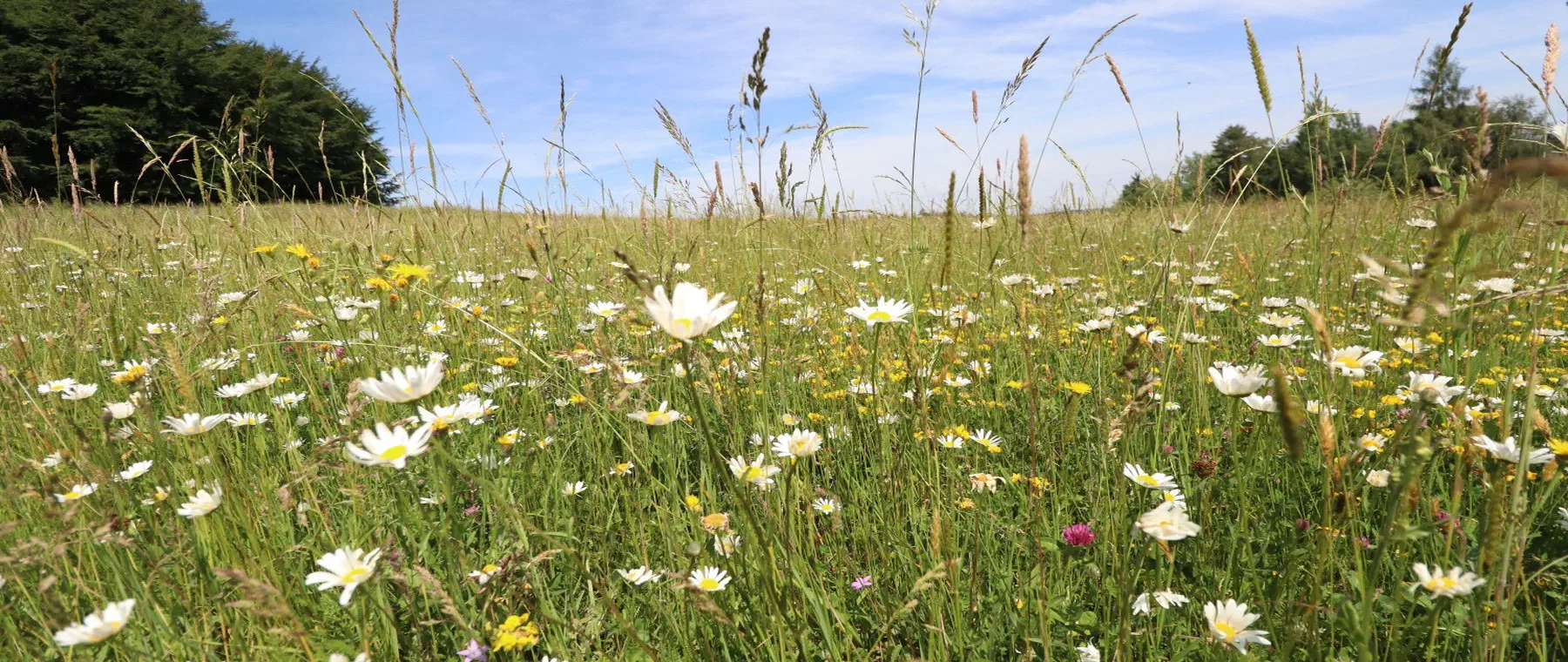
Eco-points and compensation areas
District of Wittmund
Immediately available eco-points and compensation areas in Wittmund District, assessed under the impact mitigation regulation of BNatSchG and NAGBNatSchG via the biotope value procedure. greeNature is your nationwide full-service partner for compensation in Harlingerland on the East Frisian North Sea coast.
The District of Wittmund at a glance
Wittmund District is located in the north-east of East Frisia, in the historic Harlingerland on the Lower Saxon North Sea coast. The district includes the marsh along the coast, the adjacent geest behind it and the North Sea islands Langeoog and Spiekeroog. District seat is Wittmund. Lower Saxony has been divided into no administrative districts since 2005.
Geographically, the district has a share in the Ems-Weser Marsh (D25) with fertile coastal marshes as well as the East Frisian-Oldenburg Geest (D26) with sandy geest ridges, wallhedges and bog remnants. This juxtaposition of marsh, geest and mud flats characterises the soils, water balance and habitat equipment of the region.
Ecologically, the district is of outstanding importance. Mud flats, forelands and islands belong to the Lower Saxon Wadden Sea National Park and UNESCO World Natural Heritage, supplemented by EU Special Protection Areas and FFH sites. Marsh grassland is breeding and roosting habitat for meadow-breeding birds and Arctic guest birds, on the geest lie raised bog remnants such as Eternal Sea.
The economy is shaped by agriculture, tourism and wind energy. Strong expansion of wind and network infrastructure as well as coastal protection measures regularly create compensation requirements. Compensation and replacement are assessed in Lower Saxony under the impact mitigation regulation of §§ 13 to 15 BNatSchG and NAGBNatSchG, based on the biotope value procedure and NLWKN working guidelines.
🗺️ Associated natural regions
Go to natural region D26 ›
Go to natural region D25 ›
📍 Selected municipalities
🌿 Ecological features
- Lower Saxon Wadden Sea National Park and UNESCO World Natural Heritage with islands Langeoog and Spiekeroog
- EU Special Protection Areas and FFH sites on coast, mud flats and foreland of international importance
- Marsh grassland as breeding and roosting habitat for meadow-breeding and Arctic guest birds
- Raised bog remnants of the East Frisian geest, including Eternal Sea in the Eversmeer area
- Landscape-characterising wallhedges and small water bodies of the geest
- Harle, tidal channels and sluice lines as drainage and habitat network corridors
✅ greeNature on the ground
greeNature operates nationwide and knows Lower Saxon compensation practice. For Wittmund District, we apply the impact mitigation regulation under §§ 13 to 15 BNatSchG and NAGBNatSchG as well as the biotope value procedure, based on NLWKN working guidelines. We secure suitable areas in marsh and geest, plan upgrading, such as wet grassland, bog rewetting or wallhedge networks, and coordinate measures with the district's lower nature conservation authority, NLWKN and the national park administration. Implementation, management and documentation for the compensation register we undertake from a single source. Where species protection needs exist under § 44 BNatSchG, we design advance CEF measures that continuously secure ecological function for affected species.
Typical measures in the district of Wittmund
Wet grassland & meadow-breeding bird protection
Rewetting and extensification of marsh grassland, creation of shallow pools and shallow water bodies. Late mowing and adapted grazing secure breeding and feeding areas for northern lapwing, black-tailed godwit and common redshank.
Bog rewetting
Raising water levels on raised bog remnants of the East Frisian geest and removal of drainage ditches. Regeneration of peat-forming vegetation simultaneously serves climate and species protection.
Wallhedges & habitat network
Creation and management of landscape-characterising wallhedges on geest ridges. They connect fields, pastures and small water bodies into a continuous habitat network for birds, small mammals and insects.
Amphibian waters
Creation of sunny small water bodies and shallow pools in grassland and marginal locations as spawning habitat for moorland frog, natterjack toad and agile frog, supplemented with winter quarters and terrestrial habitats.
Watercourse & ditch restoration
Near-natural conversion of tidal channels, sluice lines and Harle with development of riverbank buffer strips and reed beds. This creates migration corridors for fish and habitat for dragonflies and waterbirds.
Species protection CEF/FCS
Advance measures for sand lizard on railway embankments and slopes, skylark patches for skylark as well as roosts for bats, tailored under § 44 BNatSchG and Lower Saxon biotope value procedure.
Protected species in the Harlingerland on the East Frisian North Sea coast
Meadow-breeding birds of the marsh
Marsh grassland is breeding habitat for northern lapwing, black-tailed godwit, common redshank and oystercatcher. Rewetting, late mowing and shallow pools are typical CEF measures to secure breeding sites.
About this species ›Skylark
Open arable land of the geest is habitat for skylark. When impacts occur in agricultural landscape, skylark patches and extensively managed arable strips as advance CEF measures secure their territories.
About this species ›Guest and migratory birds in the Wadden Sea
Mud flats and forelands are internationally important roosting sites for brant goose, brent goose, little stint and eurasian wigeon. Their protection is secured through the national park and Natura 2000 framework.
Amphibians of bogs and marshes
Moorland frog, natterjack toad and agile frog inhabit bog margins, grassland hollows and small water bodies. Newly created, sunny spawning waters are a frequent compensation measure.
About this species ›Sand lizard
Railway embankments, dike slopes and sandy margins of the geest provide habitat for strictly protected sand lizard. It is a regular target species in species protection assessment for infrastructure projects.
About this species ›Bats
Old tree stands, wallhedges and buildings in villages serve bats such as serotine and common pipistrelle as roosts and hunting grounds. Roost aid and vegetation retention secure their resting places.
About this species ›Which projects trigger a compensation obligation?
Wind energy
East Frisia ranks amongst the windiest regions of Germany. New construction and repowering of wind parks as well as their access roads and cabling regularly trigger compensation and replacement obligations and species protection assessments.
Network expansion & energy infrastructure
Transformer stations, underground cables and transmission lines for connection of wind and offshore energy cross marsh and geest. Such projects generate substantial compensation requirements under the impact mitigation regulation.
Coastal protection & water management
Dike raising, sluice structures and coastal and flood protection measures are permanently necessary on the North Sea coast. Impacts on grassland and watercourses are assessed and compensated via the biotope value procedure.
Settlement, commerce & tourism
Residential and industrial areas in Wittmund and Esens as well as tourist infrastructure at coastal locations and on the islands require nature conservation compensation. Landowners in the region can participate as providers of compensation areas.
From enquiry to monitoring
Contact and enquiry
Tell us your compensation requirement and the natural region. We check availability.
Offer and advice
A transparent offer covering measure types, scope and availability.
Coordination with authorities
Full coordination with the lower nature conservation authority. We handle everything.
Long-term monitoring
Permanent securing of the land, management and documentation across the contract term.
Eco-points in adjoining districts
All about eco-points
in the district of Wittmund
Request eco-points in the district of Wittmund
We will promptly prepare a transparent offer with matching eco-points held in stock in the district of Wittmund.