Eco-points and compensation areas
City of Wilhelmshaven
Eco-points and full-service compensation in the independent city of Wilhelmshaven, assessed according to the Lower Saxony biotope value procedure based on the NAGBNatSchG. greeNature accompanies project developers from the marsh at the Jade Bay to the groden at the mudflats, operates nationwide and is familiar with compensation law in Lower Saxony.
The City of Wilhelmshaven at a glance
Wilhelmshaven is an independent city on the Lower Saxon North Sea coast, located directly on the Jade Bay. On around 107 square kilometres live approximately 76,000 people, the city area is subdivided for statistical purposes into five city sectors (South, Centre, West, North and East) with a total of 24 city districts. Wilhelmshaven is Germany's largest naval base and home to the JadeWeserPort, Germany's only deep-water port. As Lower Saxony has no administrative regions, the city is directly subject to the state.
In terms of natural regions, the city area mainly belongs to the Ems-Weser marsh (natural region D25), in the north around Sengwarden and Fedderwarden the East Frisian-Oldenburg geest (D26) extends, the coastal margins at the Jade Bay belong to the North Sea coast (D21). The mudflat areas of the Jade Bay are part of the Lower Saxon Wadden Sea National Park. With the Voslapper Groden North and South, there are extensive reed and wetland areas in the city area that belong to the Natura 2000 network as EU bird protection and nature reserves.
Impacts on nature and landscape follow sections 13 to 15 of the Federal Nature Conservation Act, in Lower Saxony specified through the NAGBNatSchG. Avoidable impairments must be prevented, unavoidable ones compensated or replaced. The assessment of impact and compensation is carried out via the biotope value procedure, whose value points are colloquially referred to as eco-points. Regardless of this, special species protection under section 44 of the Federal Nature Conservation Act must be assessed, in which advanced compensation measures (CEF) may be required.
The usage pressure is high, as port economy, navy, petrochemistry in ChemCoast Park and energy infrastructure with LNG terminals and planned hydrogen projects claim land. At the same time, sealed port and industrial areas as well as marsh grassland in the surrounding area offer potential for compensation measures. Through an eco-account, such measures can be pre-planned and legally assigned to a later impact.
🗺️ Associated natural regions
Go to natural region D25 ›
📍 City districts
🌿 Ecological features
- The mudflat areas of the Jade Bay belong to the Lower Saxon Wadden Sea National Park, a particularly strict protection regime with high demands on impacts in the area.
- The Voslapper Groden North and South is an EU bird protection and nature reserve with extensive reed margins, which is nationally significant for reed breeders such as the bittern.
- The Banter lake, a former port basin, forms a large city-adjacent water body with bank zones and importance for water and staging birds.
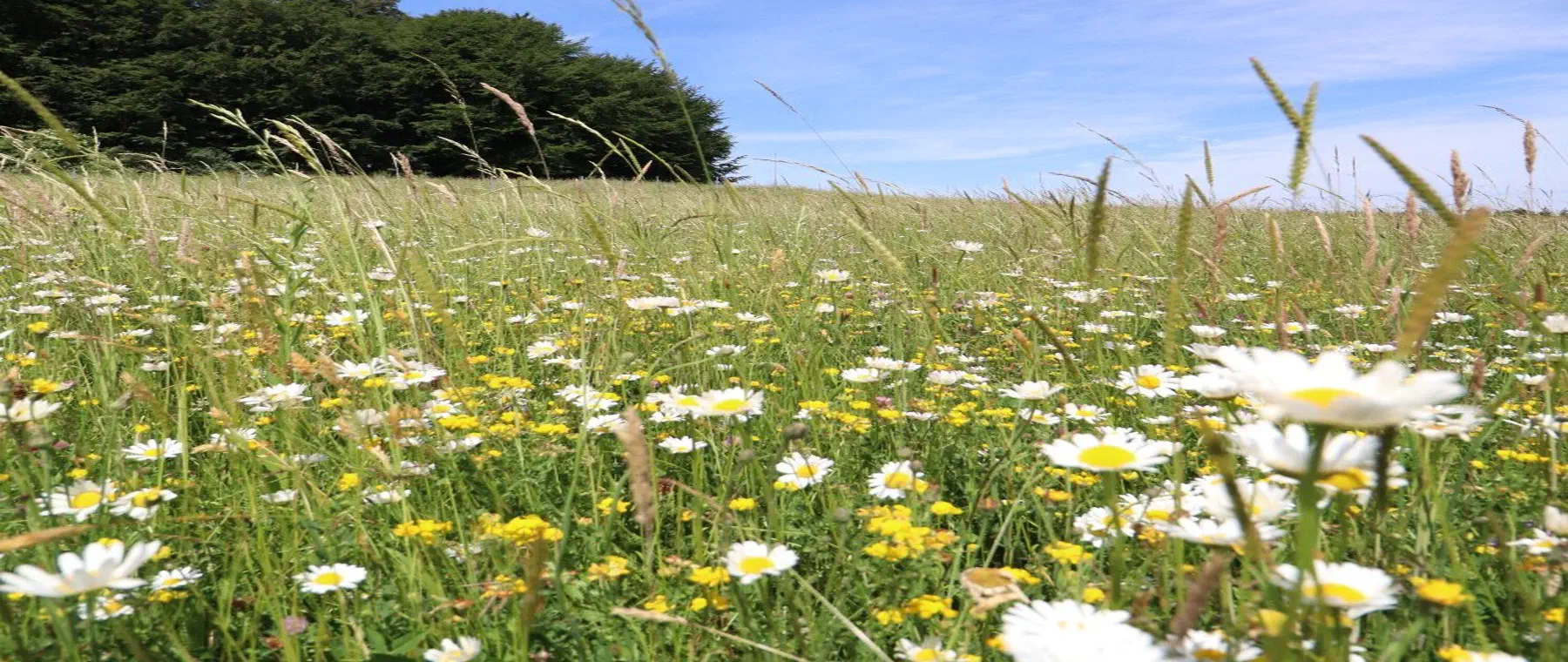
- Marsh grassland and the groden are habitat for meadow and mudflat birds, wet grassland is a preferred form of compensation.
- A high proportion of sealed port, industrial and military areas opens potential for unsealing and biotope improvement in the city area.
- Responsible for impact assessment is the lower nature conservation authority in the Department of Environmental and Climate Protection of Wilhelmshaven city.
- The expansion of port, energy infrastructure and industry increases compensation needs and the benefit of pre-planned eco-account areas.
✅ greeNature on the ground
greeNature operates nationwide and is familiar with the Lower Saxony compensation system. We work with the lower nature conservation authority of Wilhelmshaven city and the NLWKN, know the biotope value procedure with eco-points, the relevant NLWKN working guidelines and the special features of the port and coastal landscape at the Jade Bay. From needs assessment through land securing to implementation, management and monitoring, we accompany your project continuously.
Typical measures in the city of Wilhelmshaven
Unsealing in the city area
Removal of no longer used sealed port, commercial and military areas and conversion into permeable, vegetated or naturalistic areas. Unsealing achieves noticeable improvements in the biotope value procedure and improves infiltration and microclimate in the densely built urban space.
Water body restoration
Naturalistic redesign of groden ditches, sluice systems and the Maade as well as improvement of bank zones at Banter lake. Removal of riverbank structures, creation of edge strips and shallow banks create habitat for fish, amphibians, dragonflies and water birds.
Reed and wetland biotope development
Development of reed margins, damp hollows and small water bodies in the groden following the model of Voslapper Groden. Such structures are habitat for reed breeders and permanently improve fluctuating damp sites.
Grassland improvement in the surrounding area
Development of species-rich wet and extensively managed grassland on marsh sites. Adapted mowing dates, reduced fertilisation and creation of ponds provide breeding and feeding habitats for meadow and mudflat birds and raise biotope value.
Small water bodies and ponds
Creation and restoration of shallow ponds and small water bodies as spawning and feeding habitat for amphibians as well as staging and feeding area for birds in marsh and groden land.
Species protection CEF and FCS
Advanced compensation measures under section 44 of the Federal Nature Conservation Act, such as replacement roosts for bats in buildings and old timber stocks, nesting aids and replacement habitats for amphibians and breeding birds, coordinated to the particular project.
Protected species in the Jade city on the North Sea, marsh and mudflats at the Jade Bay
Meadow and mudflat birds
Northern lapwing and other meadow birds breed on the damp grasslands of the marsh and in the groden. As ground-nesters, they are sensitive to drainage and intensified use, which is why wet grassland and ponds form a focus of compensation.
About this species ›Skylark
The skylark inhabits open grassland and arable areas in the city surroundings. Population declines through intensive use make skylark windows, flower strips and extensive edge strips proven measures under section 44 of the Federal Nature Conservation Act.
About this species ›Reed and water birds
The reed margins of Voslapper Groden harbour species such as bittern, bluethroat and spotted crake. Development and management of large-scale reed margins and shallow water bodies secure these demanding habitats.
Amphibians in groden and small water bodies
Toads, frogs and newts inhabit ponds, groden water bodies and fluctuating damp hollows. New or restored spawning waters in spatial context secure the breeding sites when impacts occur.
About this species ›Bats in city and port
Buildings, old timber stocks and port installations provide roosts for strictly protected bat species (Annex IV of the Habitats Directive). When buildings are demolished or trees felled, replacement roosts are required as a CEF measure.
About this species ›Kingfisher at water bodies
Naturalistic banks at Banter lake as well as at sluice systems and groden ditches offer the kingfisher steep banks for breeding. Steep bank modelling and riverbank restoration are typical CEF measures in water body impacts.
About this species ›Which projects trigger a compensation obligation?
Port and industrial expansion
Expansions at JadeWeserPort, in ChemCoast Park and at port installations claim land and regularly trigger compensation obligations, which can be met via eco-points. The construction of JadeWeserPort itself was associated with extensive compensation areas.
Energy infrastructure
The LNG terminals, planned hydrogen and import projects and associated utility lines and network connections generate compensation needs and often require species protection assessments as well as CEF and FCS measures.
Residential and commercial development
Inner development, new residential and commercial areas as well as conversion of formerly used sites lead to impacts, whose nature conservation compensation can be efficiently covered via stockpiled eco-points.
Transport and port connections
Expansion of roads, rail connections and logistics areas for the port as well as bridge and path structures trigger compensation obligations, which should be planned for early.
From enquiry to monitoring
Contact and enquiry
Tell us your compensation requirement and the natural region. We check availability.
Offer and advice
A transparent offer covering measure types, scope and availability.
Coordination with authorities
Full coordination with the lower nature conservation authority. We handle everything.
Long-term monitoring
Permanent securing of the land, management and documentation across the contract term.
Eco-points in adjoining districts
All about eco-points
in the city of Wilhelmshaven
Request eco-points in the city of Wilhelmshaven
We will promptly prepare a transparent offer with matching eco-points held in stock in the city of Wilhelmshaven.