Eco-points and compensation areas
District of Wesermarsch
Immediately available eco-points from authority-recognised eco-accounts for Wesermarsch. greeNature solutions accompanies project developers as a full-service partner through compensation under Lower Saxon nature conservation law (biotope value procedure) in the Lower Weser and Jade Bay area.
The District of Wesermarsch at a glance
Wesermarsch District is located in north-west Lower Saxony, west of the Weser between Bremen and the Weser mouth. Distinctive is the wide grassland marsh, a low-lying cultural landscape protected by dikes with a dense network of ditches, drainage channels and sluices. District seat and administrative centre is Brake (Lower Weser), largest city is Nordenham. Lower Saxony has had no administrative districts since 2004.
Geographically, the district belongs almost entirely to the Ems and Weser marshes (BfN major natural region D25). Soils are predominantly clay and lowland bog locations of silt lands, formed by sedimentation from the North Sea and Weser. This open, water-rich landscape is habitat for water-bird populations of European significance.
Ecologically particularly valuable are the coastal and transition areas at Jade Bay and the Lower Weser. The Lower Saxon Wadden Sea (national park and biosphere reserve) and the tidal Weser form a continuous system of mud flats, salt marshes, brackish reed beds and wet grassland. Numerous areas are part of Natura 2000 as FFH sites and EU Special Protection Areas.
Economically, Wesermarsch is characterised by sea ports, shipbuilding and maritime industry on the Lower Weser (Brake, Nordenham, Elsfleth, Lemwerder), aluminium production in Nordenham as well as strong expansion of onshore wind energy. Port expansion, network connection of offshore wind parks and coastal protection regularly generate substantial compensation requirements under §§ 13 to 15 BNatSchG.
🗺️ Associated natural regions
Go to natural region D25 ›
📍 Selected municipalities
🌿 Ecological features
- Lower Saxon Wadden Sea national park and biosphere reserve at Jade Bay and Butjadingen coast
- Lower Weser as FFH tidal water with brackish reed beds and migratory fish
- EU Special Protection Areas of the marshes with internationally significant breeding and roosting populations of meadow-breeding birds
- Wide grassland marsh with dense network of ditches, drainage channels and shallow pools
- Silt land on lowland bog and clay soils with high climate protection relevance through peat retention
- Dikes and salt marshes as coastal protection line along Weser and Jade Bay
✅ greeNature on the ground
greeNature solutions operates nationwide and manages project developers throughout Lower Saxony. We work using the biotope value procedure under NAGBNatSchG and NLWKN working guidelines, coordinate measures with the lower nature conservation authority in Brake and know nature conservation requirements of Wesermarsch from project practice.
Typical measures in the district of Wesermarsch
Wet grassland and meadow-breeding birds
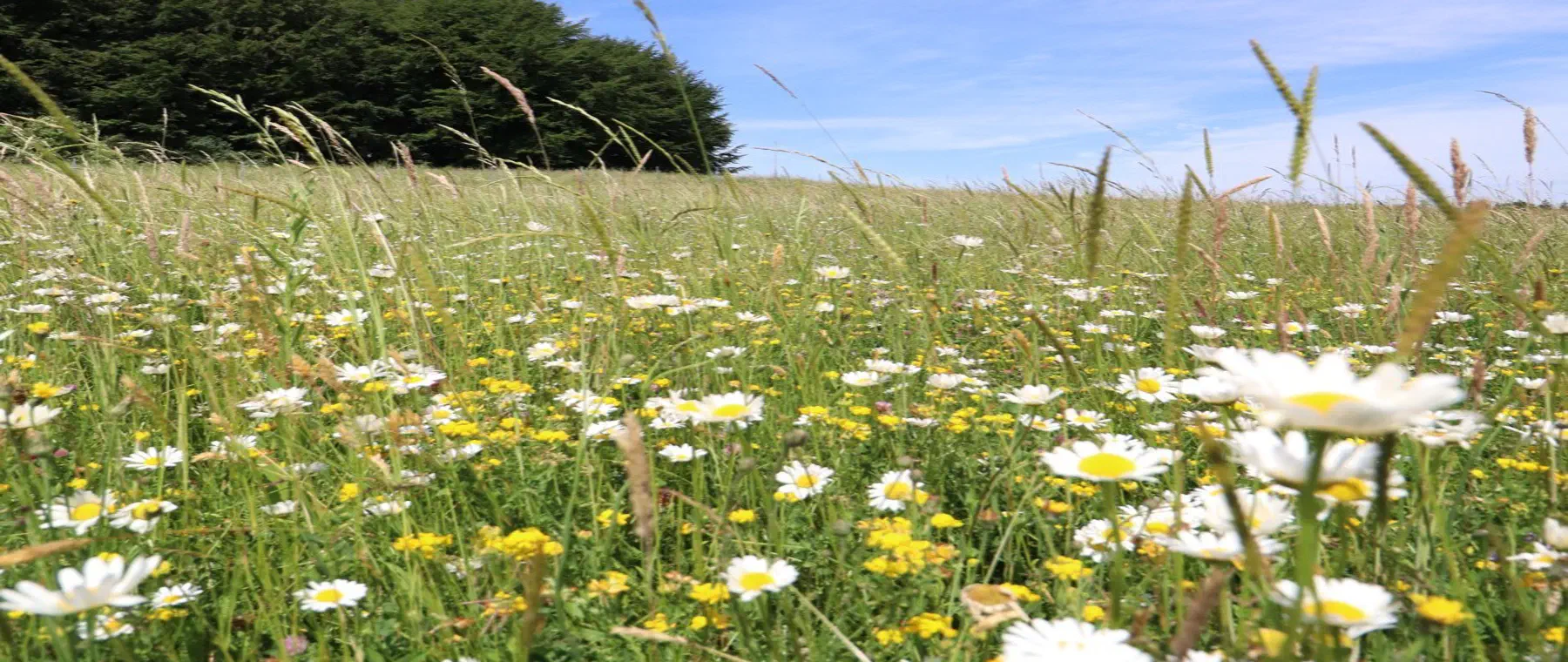
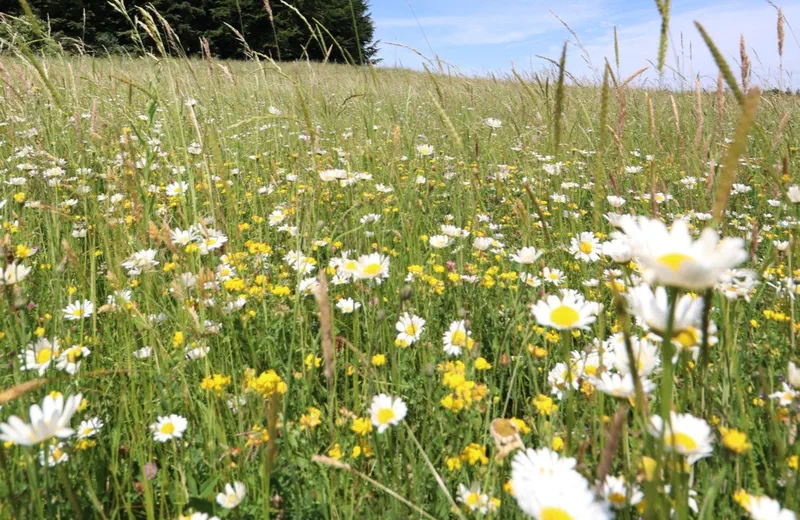
Grassland extensification with raised ditch water levels and late mowing to secure breeding habitats for meadow-breeding birds such as northern lapwing and black-tailed godwit. Upgrading is converted into value points using the Lower Saxon biotope value procedure.
Shallow pools and small water bodies
Creation of shallow shallow pools, drainage channels and small water bodies in marsh grassland as spawning and feeding habitat for amphibians and great crested newt as well as feeding area for wading birds.
Rewetting in silt land
Raising water levels on lowland bog and clay soils through ditch damming and bed thresholds. This protects peat bodies, reduces greenhouse gas emissions and increases ecological value of the area.
Near-natural tidal banks
Development of reed beds, tidal channels and shallow bank zones on the Lower Weser and its tributary waters for reed-breeding birds, fish and watercourse dynamics.
Pollard willows and wallhedges
Planting and management of pollard willows, field hedges and wallhedges on the geest margin and along paths as networking elements and roost for bats and birds.
Species protection CEF and FCS
Advance compensatory measures under § 44 BNatSchG, such as bat roosts, amphibian guide structures and upgrading of dike areas for sand lizard, professionally derived and coordinated with the lower nature conservation authority.
Protected species in the Wesermarsch at the Lower Weser
Northern lapwing
Characteristic species of open Wesermarsch, breeds in wet extensively managed grassland and arable margin areas, population in decline across Europe.
About this species ›Skylark
Ground-breeding bird of open marsh landscape, benefits from extensively managed grassland and flower-rich margin strips.
About this species ›Amphibians
The ditch systems, drainage channels and shallow pools of the marsh harbour species such as moorland frog and agile frog, which depend on networked small water bodies.
About this species ›Great crested newt
Protected under the Habitats Directive, inhabits fish-free, well-sunned small water bodies in grassland.
About this species ›Bats
Hunt over ditches, grassland and vegetation rows; pollard willows and buildings serve as roosts. Strictly protected under § 44 BNatSchG.
About this species ›Kingfisher
Inhabits near-natural banks on Lower Weser and ditch margins with sufficient small fish stock and vertical banks for breeding burrow.
About this species ›Which projects trigger a compensation obligation?
Wind energy and repowering
New construction and repowering of onshore wind energy installations trigger impacts on landscape image and avifauna, which are compensated through compensation measures.
Port and shipyard expansion
Expansion of sea ports and shipyard locations on the Lower Weser (Brake, Nordenham, Elsfleth, Lemwerder) impacts banks, grassland and watercourses.
Network expansion and transformer stations
Pipeline routes, converters and transformer stations for network connection of offshore wind parks lead to compensation requirements along the coast.
Coastal protection and dike construction
Dike reinforcement and coastal protection measures secure the low-lying marsh and require nature conservation compensation.
From enquiry to monitoring
Contact and enquiry
Tell us your compensation requirement and the natural region. We check availability.
Offer and advice
A transparent offer covering measure types, scope and availability.
Coordination with authorities
Full coordination with the lower nature conservation authority. We handle everything.
Long-term monitoring
Permanent securing of the land, management and documentation across the contract term.
Eco-points in adjoining districts
All about eco-points
in the district of Wesermarsch
Request eco-points in the district of Wesermarsch
We will promptly prepare a transparent offer with matching eco-points held in stock in the district of Wesermarsch.