Eco-points and compensation areas
District of Verden
Verden District is located in central Lower Saxony in the south-eastern hinterland of Bremen, characterised by the broad river lowlands of Aller and Weser as well as the adjacent geest. For impacts on nature and landscape, greenature plans and implements compensation measures here, assessed using the Lower Saxon biotope value procedure (eco-points) and coordinated with the district's lower nature conservation authority.
The District of Verden at a glance
The district geographically belongs predominantly to the Weser-Aller Lowland (Middle Weser region) and in the north to the Stade Geest, which here is characterised as Achim-Verden Geest. Aller and Weser with their lowlands determine the landscape image and carry a large share of the protected habitats.
Proximity to Bremen brings ongoing settlement and commercial development, particularly along the A1 and B27. This creates a regular need for nature conservation compensation under §§ 13 to 15 BNatSchG.
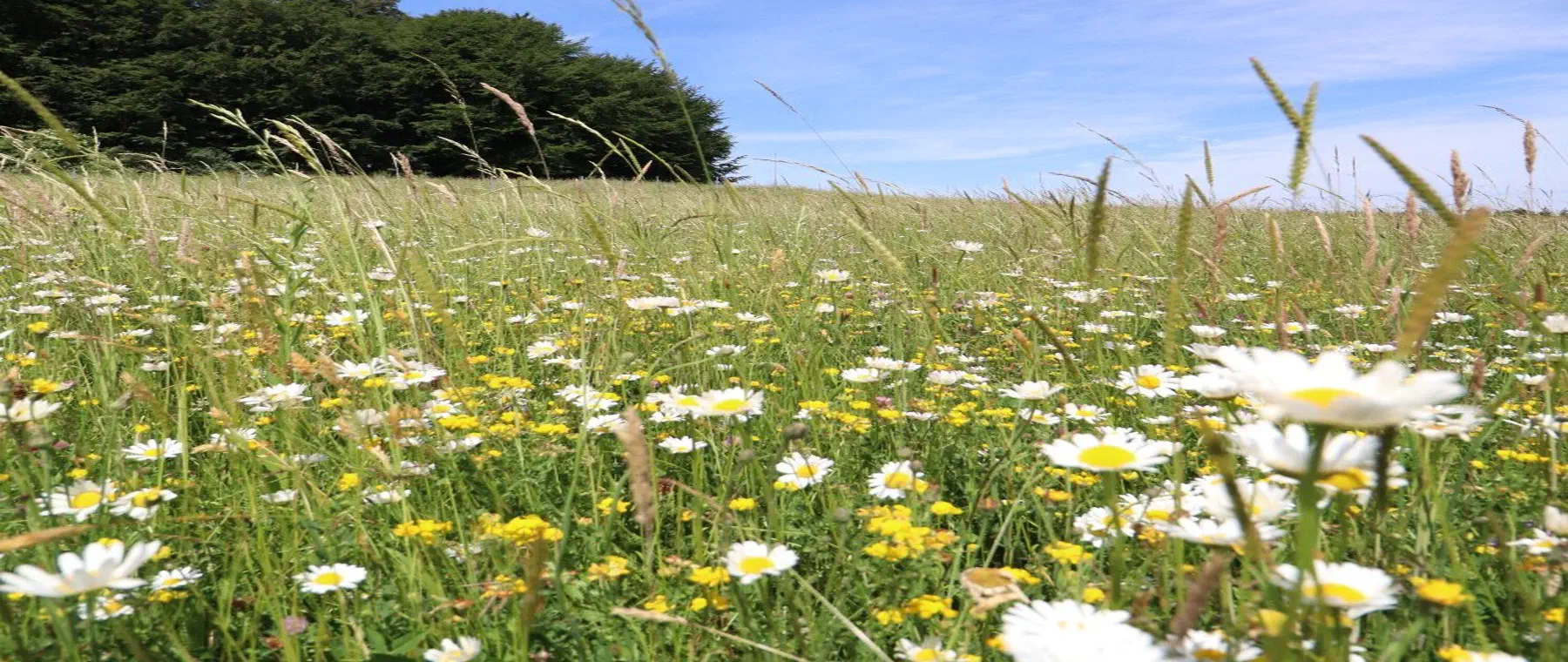
Extensive grasslands in the Aller lowland and Wümme lowland are significant for meadow-breeding birds and amphibians. Compensation often combines upgrading existing wet grasslands and watercourse structures.
greenature develops suitable measures and eco-account areas for project developers in Verden District, from initial assessment through to permanent securing and management.
🗺️ Associated natural regions
Go to natural region D27 ›
📍 Selected municipalities
🌿 Ecological features
- The Lower Aller lowland in Verden District is secured as a nature and landscape conservation area and part of the Aller FFH site (with Barnbruch) and the Lower Aller Lowland EU Special Protection Area.
- The Wümme lowland with its dunes and wet meadows in the north of the district is a valuable network of grassland, watercourses and sandy habitats.
- The Weser floodplain between Eissel and Clüverswerder ranks amongst the large-scale protected areas of the district and is bounded by dike lines and geest edges.
- With the Achim-Verden Geest, the dry, sandy Stade Geest extends into the district and forms a contrast to the wet river lowlands.
- Implementation of Natura 2000 was anchored in the district through protected area ordinances for the FFH and Special Protection Areas.
- The district is regionally known for its horse breeding and equestrian tradition, which emphasises the importance of open grassland landscapes.
✅ greeNature on the ground
greenature operates nationwide and manages projects in Verden District from initial nature conservation assessment through to long-term land securing. We assess impact and compensation using the Lower Saxon biotope value procedure, based on NLWKN working guidelines, and early coordinate the type, scope and location of measures with the lower nature conservation authority. A particular focus is on upgrading grassland and watercourses in the lowlands of Aller, Weser and Wümme as well as sand and heathland habitats of the geest. Where compensation is to be provided in advance, we develop eco-account areas and manage measures so that upgrading, securing and management are permanently guaranteed.
Typical measures in the district of Verden
Grassland extensification in the lowlands
Conversion of intensively managed grassland to extensively managed wet meadows in the Aller and Wümme lowlands, with adapted mowing and grazing regimes for meadow-breeding birds.
Watercourse and floodplain restoration
Connection of oxbows, development of waterside buffer strips and structural enrichment on Aller, Weser and tributary waters for upgrading watercourse and floodplain habitats.
Floodplain forest and vegetation development
Establishment of site-appropriate floodplain forests and field copses in river lowlands, which act as stepping stones in the habitat network and sustainably increase biotope value.
Sand grassland and heathland on the geest
Restoration of open sand and dry habitats on the Achim-Verden Geest through removal of nutrients and vegetation, suitable for thermophilic species.
Arable extensification and field bird protection
Creation of flower areas, skylark patches and extensively managed arable buffer strips on the geest to promote field birds and insects of agricultural landscape.
Eco-account under Lower Saxon law
Advance implementation of upgrading measures and entry as eco-points, so compensation is securely available at the time of permit.
Protected species in the Middle Weser region between Weser and Aller
Northern lapwing
The northern lapwing breeds in open wet grasslands of the Aller and Wümme lowland. Extensively managed, waterlogged meadows are crucial for breeding success and can be deliberately developed as a measure.
About this species ›Skylark
The skylark inhabits open arable fields of the geest. Skylark patches and extensive arable buffer strips improve breeding and feeding conditions.
About this species ›Kingfisher
The kingfisher is tied to near-natural banks of Aller, Weser and Wümme. Structured steep banks and clear watercourses with good fish stocks promote the species.
About this species ›Bats
Various bat species use floodplain forests, vegetation and watercourses as hunting grounds and guide structures. In impacts, roosts and flight routes must be observed under § 44 BNatSchG.
About this species ›Sand lizard
The sand lizard inhabits warm-dry sandy locations, dunes and slopes of the geest. In impacts, advance compensatory measures (CEF) and relocations are frequently required.
About this species ›Great crested newt and amphibians
Great crested newt and other amphibians depend on sunny, fish-free small water bodies in the lowlands. Creation and networking of spawning waters is an effective measure.
About this species ›Which projects trigger a compensation obligation?
Road and transport projects
Expansion and bypasses along the A1 and B27 as well as subordinate roads lead to impacts to be compensated under §§ 13 to 15 BNatSchG.
Commercial and logistics areas
Proximity to Bremen and location on the A1 favour commercial and logistics settlement, such as in the Achim and Oyten area, with corresponding compensation requirements.
Residential and settlement development
Ongoing residential development in the Bremen hinterland triggers compensation and replacement obligations through development planning, which can be prepared via the eco-account.
Soil and raw material extraction
Sand and gravel extraction in the river and valley sand areas of Weser and Aller requires nature conservation compensation and offers opportunities for subsequent use as habitat.
From enquiry to monitoring
Contact and enquiry
Tell us your compensation requirement and the natural region. We check availability.
Offer and advice
A transparent offer covering measure types, scope and availability.
Coordination with authorities
Full coordination with the lower nature conservation authority. We handle everything.
Long-term monitoring
Permanent securing of the land, management and documentation across the contract term.
Eco-points in adjoining districts
All about eco-points
in the district of Verden
Request eco-points in the district of Verden
We will promptly prepare a transparent offer with matching eco-points held in stock in the district of Verden.