Eco-points and compensation areas
District of Vechta
Vechta District in Oldenburger Münsterland is geographically located in the Dümmer Geest Lowland and Ems-Hunte Geest (BfN major natural region D30). greeNature undertakes complete compensation under Lower Saxon nature conservation law, from eco-point assessment through biotope value determination to long-term land management.
The District of Vechta at a glance
Vechta District is part of Oldenburger Münsterland and is geographically located in the Dümmer Geest Lowland and Ems-Hunte Geest (BfN major natural region D30). The gently rolling geest is characterised by raised bog remnants, wet lowlands and the wooded Dammer Hills.
Economically, the district is strongly determined by agriculture and food and processing industry. The resulting use pressure on grassland, arable and bog soils makes compensation and replacement areas a scarce commodity.
Compensation is governed by §§ 13 to 15 BNatSchG and the Lower Saxon Implementing Act (NAGBNatSchG). Assessment uses a biotope value procedure that assigns value factors to biotope types and expresses compensation requirements in value points (eco-points).
🗺️ Associated natural regions
Go to natural region D30 ›
📍 Selected municipalities
🌿 Ecological features
- BfN natural region D30 (Dümmer Geest Lowland and Ems-Hunte Geest), gently rolling geest with bogs, lowlands and end moraines
- Four FFH sites within the district, including Dammer Hills, Herrenholz and Goldenstedt Moor
- Goldenstedt Moor and Great Moor, rewetted raised bog remnants with high climate and species protection relevance
- Dammer Hills, wooded end moraine ridge with old oak and beech forests from Neuenkirchen-Vörden to Vechta
- Dümmer Nature Park extends into the south of the district
- Very intensive livestock farming and high land use pressure, resulting in scarce and highly sought-after compensation land
✅ greeNature on the ground
greeNature operates nationwide and is familiar with Lower Saxon compensation law. We assess impacts and measures using the biotope value procedure, coordinate planning with Vechta District's lower nature conservation authority and rely on NLWKN working guidelines. From eco-point determination through land securing to management and monitoring, we undertake the entire process.
Typical measures in the district of Vechta
Bog rewetting
Raising water levels and regeneration of raised bog remnants at Goldenstedt Moor and Great Moor. Rewetted peat soils bind carbon and create habitat for bog-typical species, a high-value approach in the biotope value procedure.
Grassland extensification
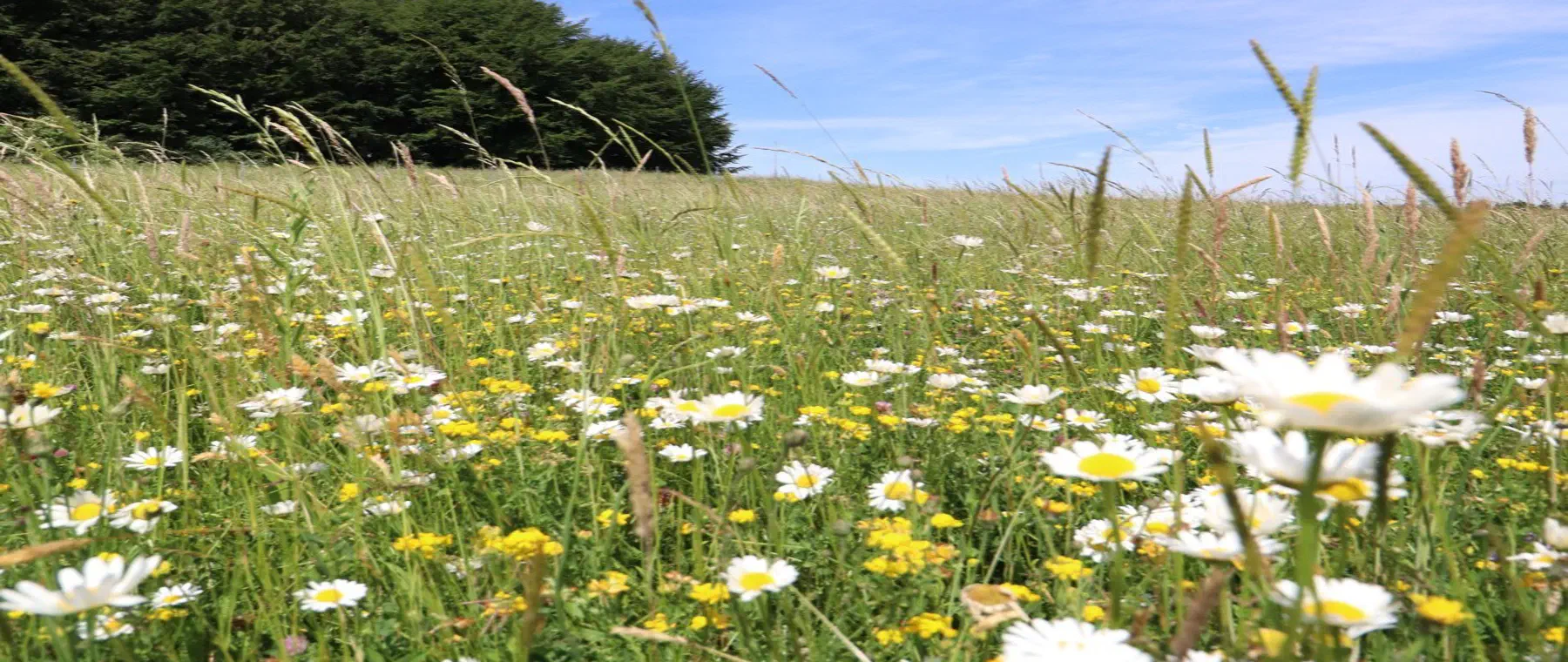
Conversion of intensively used areas to species-rich wet and wet grassland in the lowlands. Extensive mowing and abandonment of fertilisation promote meadow-breeding birds such as northern lapwing and skylark.
Flowing water development
Restoration of Hase and accompanying streams, creation of water buffer strips, floodplain fringes and structured banks. Improved water dynamics benefits fish fauna and kingfisher.
Hedgerows and field copses
Creation of wallhedges, field copses, margins and arable buffer strips in the denuded agricultural landscape. These structures network habitats and provide shelter for field birds and insects.
Near-natural forest conversion
Development of site-appropriate broadleaf and mixed forests following Herrenholz and Dammer Hills, with oak, beech, hornbeam and alder. Old and dead wood enrichment increases ecological value.
Small water bodies and species protection
Creation and optimisation of spawning waters for amphibians as well as targeted CEF measures for great crested newt, bats and other protected species under § 44 BNatSchG.
Protected species in the Oldenburger Münsterland
Northern lapwing and meadow-breeding birds
The northern lapwing breeds on wet meadows, bog margins and arable areas of the lowlands. Populations are under severe pressure from use intensification, which is why grassland extensification and rewetting are effective measures.
About this species ›Skylark
The skylark is a characteristic bird of open agricultural landscape and suffers from dense, structure-poor cultivation. Skylark patches, flower strips and extensive arable buffer strips are typical compensation measures.
About this species ›Great crested newt
The great crested newt (Annexes II and IV Habitats Directive) inhabits small water bodies in the vicinity of Dammer Hills and Herrenholz. Creation and networking of sunny spawning waters are effective CEF measures.
About this species ›Bats
Old and broadleaf forest stands such as Herrenholz provide roosts and hunting grounds for several bat species. Retention of cavity trees, roost trees and structured forest edges secures habitats.
About this species ›Kingfisher
On Hase and near-natural flowing waters, the kingfisher finds steep banks for breeding tubes and fish-rich watercourse sections. Riverbank restoration and creation of cliff edges promote the species.
About this species ›Amphibians of bogs and lowlands
Moorland frog, agile frog and other amphibians use rewetted bog areas and lowland small water bodies. Newly created spawning waters and connectivity structures are typical compensation measures.
About this species ›Which projects trigger a compensation obligation?
Transport and infrastructure
Motorway A1 (Hansalinie) as well as federal roads B69 and B214 cross the district. Expansion, bypasses and junctions regularly trigger compensation and replacement obligations under §§ 13 to 15 BNatSchG.
Food industry and commerce
The district is a centre of meat and food industry. Expansions of production, processing and logistics sites in Vechta, Lohne and Dinklage continuously create compensation requirements, which greeNature handles completely.
Settlement development
Growing population leads to new residential and commercial areas in towns and municipalities of the district. Land sealing requires nature conservation compensation, for example through land restoration, green structures and external compensation areas.
Renewable energy
Wind energy installations and utility-scale photovoltaic on geest locations require nature conservation compensation as well as FCS and CEF measures, particularly for field birds and bats.
From enquiry to monitoring
Contact and enquiry
Tell us your compensation requirement and the natural region. We check availability.
Offer and advice
A transparent offer covering measure types, scope and availability.
Coordination with authorities
Full coordination with the lower nature conservation authority. We handle everything.
Long-term monitoring
Permanent securing of the land, management and documentation across the contract term.
Eco-points in adjoining districts
All about eco-points
in the district of Vechta
Request eco-points in the district of Vechta
We will promptly prepare a transparent offer with matching eco-points held in stock in the district of Vechta.