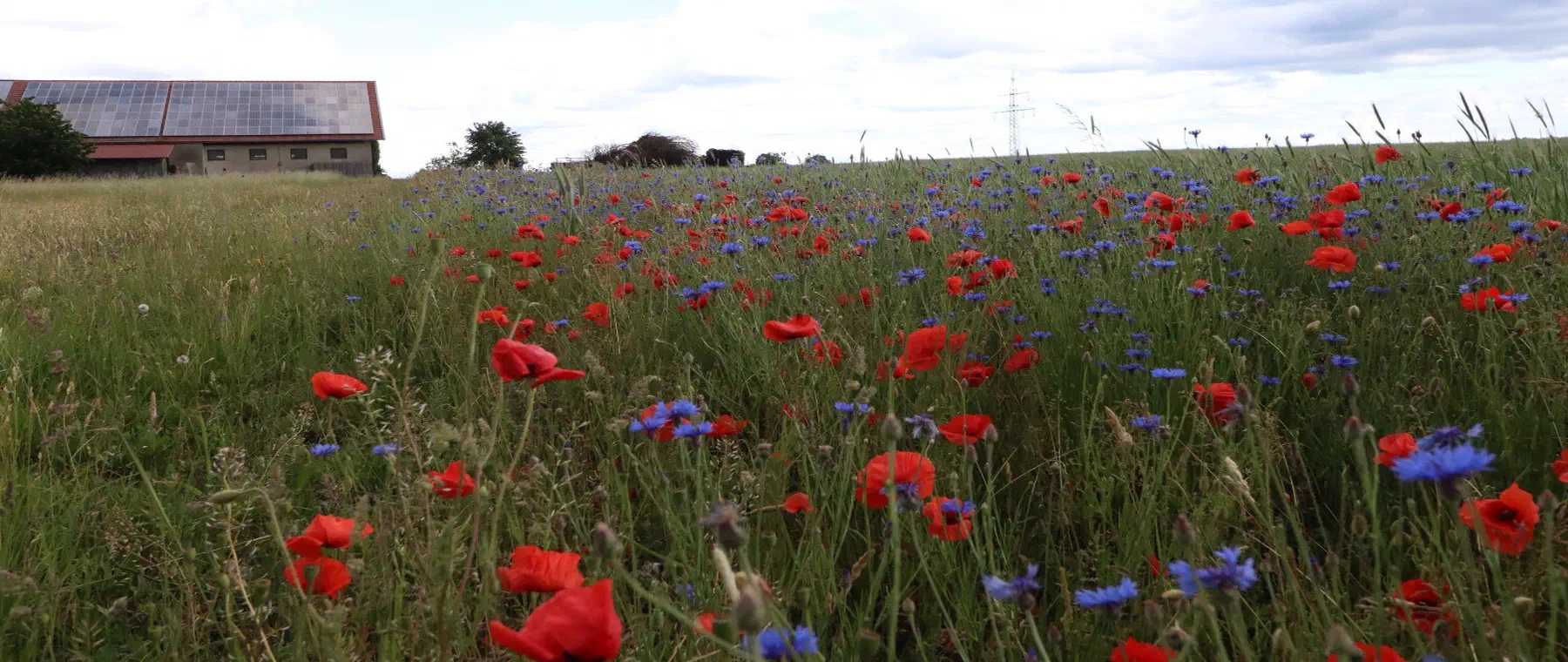
Eco-points and compensation areas
District of Peine
Immediately available eco-points from authority-recognised eco-accounts for compensation projects in Peine District. greeNature solutions supports your nature conservation compensation according to Lower Saxony nature conservation law as a full-service partner, active nationally and familiar with the region between Hannover and Braunschweig.
The District of Peine at a glance
Peine District lies in eastern Lower Saxony between the conurbations of Hannover and Braunschweig. Lower Saxony is not divided into administrative regions, so the district comes directly under state control. It is crossed by the rivers Fuhse and Oker, whose lowlands characterise the landscape.
By natural region, the district is divided. The south has shares in the fertile loess soils of the Braunschweig-Hildesheim plateau (BfN natural region D32, Lower Saxony plateaux), while the central and northern parts belong to the Weser-Aller lowlands (D31) and towards the South Heath edge show sandier, geest-characterised soils.
Ecologically significant are the river and wetland areas: the Fuhse valley as large-scale nature reserve, the Lengede ponds as EU bird protection area, the FFH site Lower Oker, plus the rare inland salt site Kleines Oedesse. The FFH site great crested newt biotope Plockhorst indicates state-significant amphibian populations.
Economically, the district is shaped by a long mining and steel tradition (Ilsede works, now Peiner Träger). Location on motorway A2 and the ICE line Hannover-Berlin, plus intensive agriculture in the plateau regularly lead to impacts under §§ 13 to 15 BNatSchG in conjunction with NAGBNatSchG and thus compensation requirements.
🗺️ Associated natural regions
Go to natural region D32 ›
📍 Selected municipalities
🌿 Ecological features
- FFH site Lower Oker near Neubrück, natural river section with floodplain habitats
- FFH site great crested newt biotope Plockhorst, state-significant amphibian population
- EU bird protection areas Lengede ponds and Wendesser moor
- Fuhse valley nature reserve, Fuhse river area from Peine to Abbensen (approximately 380 hectares)
- Inland salt site Kleines Oedesse, rare salt-habitat with halophytic vegetation
- Forest areas Meerdorf wood and Small Lafferder wood as FFH habitats of old broadleaf forests
✅ greeNature on the ground
We operate nationally and manage compensation projects in Lower Saxony according to NAGBNatSchG and §§ 13 to 15 BNatSchG. Assessment is done using a biotope value method with eco-points, oriented to NLWKN specialist guidance materials. We know Peine District's lower nature conservation authority, the Weser-Aller lowlands and Lower Saxony plateaux natural regions, plus the land areas on Fuhse and Oker from project practice.
Typical measures in the district of Peine
Flowing waterbody development
Restoration of sections on Fuhse and Oker, creation of waterbody margins, oxbows and steep banks. Upgrading of riparian sites as habitat for fish, kingfisher and water-linked species.
Moist grassland extensification
Conversion of intensively used lowland areas into species-rich moist grassland on Fuhse, Oker and Erse. Rewetting for meadow birds such as northern lapwings and snipe.
Small waterbodies and amphibian biotopes
Creation and networking of spawning waters around plateaux and forest areas. Targeted CEF measures for great crested newts and other amphibians under § 44 BNatSchG.
Site-appropriate afforestation
Creation of broadleaf mixed forests with oak, hornbeam and alder on geest and marginal yield sites, plus natural woodland conversion of existing stands.
Hedgerows and habitat networks
Creation of hedgerows, field margins and flower strips in open arable plateau landscape. Stepping-stone biotopes for skylark, grey partridge and wild bees.
Species protection on special areas
Design of mining reclamation, spoil and railway margin areas as dry-land habitats. Stone ridges and sand lenses for sand lizards as typical CEF measure in infrastructure projects.
Protected species in the Peine land between Hannover and Braunschweig
Great crested newt
FFH site great crested newt biotope Plockhorst stands for state-significant population. Great crested newt is a frequent target species in impacts and often requires early CEF measures with new spawning waters.
About this species ›Meadow-breeding birds at the ponds
The Lengede Ponds and Wendesser Moor are designated as EU Special Protection Areas. Wet meadows and shallow waters provide breeding and feeding habitats for northern lapwing, snipe and resting waterbirds.
About this species ›Kingfisher on the Fuhse and Oker
The near-natural sections of the Fuhse and Oker with steep banks and oxbows are habitat for the kingfisher. Riverbank restoration and steep wall modelling are typical upgrading measures.
About this species ›Bats in old-growth forests
Old broadleaf woodland stands such as Meerdorf Forest and Kleine Lafferder Forest provide roosts and hunting habitats for forest-dwelling bat species. Cavity trees and roost connectivity must be secured in the event of impacts.
About this species ›Sand lizard in special sites
Brownfield mining sites from former ore extraction, as well as railway embankments and spoil heaps provide warm dry habitats. The sand lizard is a common target species in transport and commercial projects.
About this species ›Skylark in the loess plains
The wide, fertile arable areas of the loess plains are habitat for skylark and grey partridge. Skylark patches, flower strips and field margins are proven measures for upgrading agricultural landscapes.
About this species ›Which projects trigger a compensation obligation?
Steel and industry
The district's iron and steel tradition (Ilsede Iron Hütte, now Peiner Träger) shapes commerce to this day. Plant expansions, new production facilities and industrial estates regularly trigger compensation and replacement obligations under §§ 13 to 15 BNatSchG.
Transport and infrastructure
The A2 motorway, the ICE rail line to Hannover and Berlin, and federal and district roads lead to impacts on nature and landscape during expansion, bypass construction and bridge works, with corresponding compensation requirements.
Renewable energy
Wind energy installations and utility-scale photovoltaic facilities on loess plains and brownfield areas require nature conservation compensation and species protection assessments under § 44 BNatSchG.
Settlement and commercial development
As part of the commuter belt between Hannover and Braunschweig, Peine, Vechelde, Ilsede and Lengede designate residential and commercial land. Landowners with suitable areas can offer them as compensation areas.
From enquiry to monitoring
Contact and enquiry
Tell us your compensation requirement and the natural region. We check availability.
Offer and advice
A transparent offer covering measure types, scope and availability.
Coordination with authorities
Full coordination with the lower nature conservation authority. We handle everything.
Long-term monitoring
Permanent securing of the land, management and documentation across the contract term.
Eco-points in adjoining districts
All about eco-points
in the district of Peine
Request eco-points in the district of Peine
We will promptly prepare a transparent offer with matching eco-points held in stock in the district of Peine.