Eco-points and compensation areas
District of Lüneburg
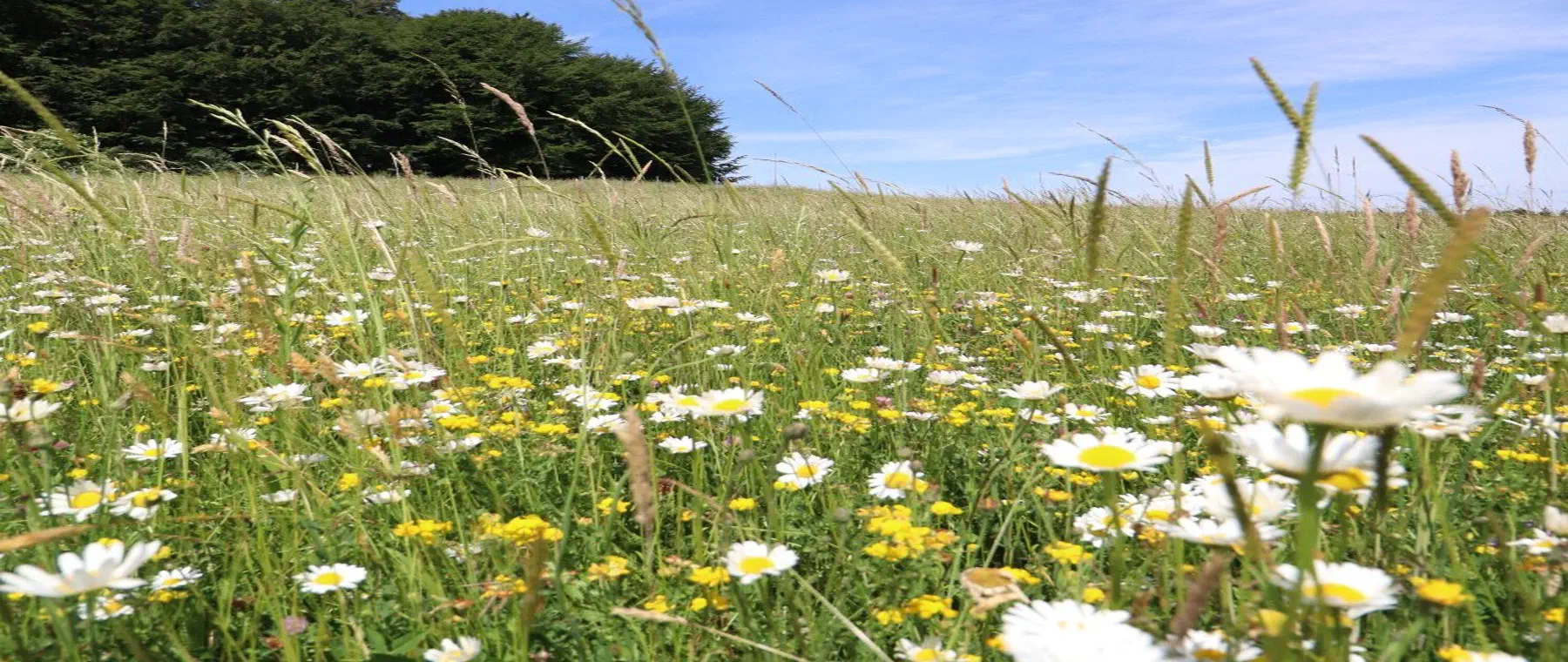
greeNature develops and manages naturally appropriate compensation and replacement areas in Lüneburg District. We assess according to the Lower Saxony biotope value method based on NAGBNatSchG and support projects from conception through coordination with the lower nature conservation authority to permanent management.
The District of Lüneburg at a glance
Lüneburg District lies in northeastern Lower Saxony south of Hamburg, between the Lüneburger Heide to the west and the Elbe valley to the north and east. The Hanseatic city of Lüneburg is the administrative seat. Lower Saxony has no administrative regions, so the district comes directly under state control.
By natural region, the overwhelming majority of the district area belongs to Lüneburger Heide and Wendland (BfN natural region D28), a glacially formed geest and heathland with sandy soils, Calluna heaths, juniper stands and Scots pine plantations. The north and east reach into the Lower Elbe lowlands (natural region D24) with riparian grassland, oxbows and dyke landscapes. The Elbe-east area of Amt Neuhaus connects the district to the Elbe floodplain across the river.
Ecologically, the district is of high importance. Large parts of the Elbe floodplain lie in the Niedersächsische Elbtalaue Biosphere Reserve, which is part of the UNESCO reserve River Landscape Elbe. In addition come FFH sites such as the Ilmenau with its tributaries and the waterbody system of the Luhe and lower Neetze. These sites set special requirements on impact mitigation and species protection in impacts.
The economy benefits from proximity to the Hamburg metropolitan region, with growing settlement and commercial areas in the hinterland of Lüneburg, Adendorf and Bardowick. Large projects such as the planned new A39 motorway between Lüneburg and Wolfsburg, expansions on rail and the Elbe-lateral canal, plus renewable energy installations create substantial compensation requirements to be covered under NAGBNatSchG and the biotope value method.
🗺️ Associated natural regions
Go to natural region D28 ›
Go to natural region D09 ›
📍 Selected municipalities
🌿 Ecological features
- Niedersächsische Elbtalaue Biosphere Reserve, part of the UNESCO reserve River Landscape Elbe
- FFH site Ilmenau with tributaries (071) as a natural flowing waterbody system
- FFH site Waterbody system of Luhe and lower Neetze (212)
- Extensive sand heaths and geest of the Lüneburger Heide with Calluna, juniper and sandy grassland
- Elbe valley with riparian grassland, oxbows, flood channels and dyke landscapes
- Lowland bogs and moist grassland on Ilmenau, Luhe and Neetze
- Elbe-lateral canal with the Scharnebeck ship lift as a defining hydraulic structure
✅ greeNature on the ground
greeNature operates nationally and is familiar with Lower Saxony nature conservation law. In Lüneburg District, we orient compensation at the impact mitigation regulation under §§ 13 to 15 BNatSchG, NAGBNatSchG and the biotope value method, following NLWKN guidance materials. We coordinate measures with the lower nature conservation authority of the district, secure appropriate areas in heath, geest and Elbe valley and undertake planning, implementation, management and monitoring from a single source. Because compensation should proceed naturally respectfully, we focus on landscape-typical measures such as heath development, floodplain restoration and flowing waterbody enhancement. Where species protection requirements exist under § 44 BNatSchG, we conceive early CEF measures that continuously secure ecological function for affected species.
Typical measures in the district of Lüneburg
Heathland management and development
Deforestation, cutting, plaggen and extensive grazing preserve Calluna heaths and sandy grasslands of Lüneburger Heide. These nutrient-poor open-land biotopes are habitat for warmth-loving species and can be assessed as naturally typical upgrade in the biotope value method.
Floodplain restoration in Elbe valley
Connection of oxbows and flood channels, removal of bank engineering and development of riparian grassland strengthen Elbe floodplain dynamics. This creates habitats for meadow birds, amphibians and fish around the Biosphere Reserve.
Flowing waterbody development on Ilmenau, Luhe and Neetze
Removal of transverse structures, creation of waterbody margins and promotion of natural development upgrade FFH-relevant waterbody systems. Steep banks and gravel bars improve habitat quality for kingfishers and fish.
Bog rewetting and moist grassland
Raising water levels and removal of drainage ditches secure lowland bogs and moist extensive grassland on Ilmenau and Luhe. Such measures sequester carbon and create habitat for meadow-breeding birds and amphibians.
Natural woodland conversion
Conversion of structurally poor Scots pine plantations to naturally native oak and beech mixed forests plus promotion of old and dead wood increase ecological value of geest forests and create bat roosts and cavity-nesting bird sites.
Species protection CEF and FCS
Replacement habitats for sand lizards on sunny sand surfaces and railway embankments, bat roosts in forests and buildings, plus wetland biotopes for amphibians are implemented as early CEF measures or population-supporting FCS measures under § 44 and § 45 BNatSchG.
Protected species in the Lüneburger Heide and Elbe valley
Field and woodlark of open countryside
In heaths, sand fields and geest areas, skylarks and woodlarks breed as ground-nesting birds of open, sparsely vegetated landscape. Impacts on fields frequently affect their breeding sites, so CEF measures such as flower and fallow areas are required.
About this species ›Sand lizard on sand and geest
Sandy grassland, heathland margins, slopes and railway embankments provide habitat for the warmth-loving sand lizard. In infrastructure and settlement projects, it ranks among frequent target species, for which sunny replacement habitats with stone ridges and sand lenses are created.
About this species ›Black stork in forest and floodplain
Undisturbed broadleaf forests with natural streams and moist lowlands of the Elbe floodplain provide black storks with breeding and feeding habitat. Preservation of old forest stands and water-bearing ditches is crucial for the disturbance-sensitive species.
About this species ›Northern lapwing in moist grassland
The northern lapwing breeds on moist, extensively managed grassland areas of the Elbe floodplain and lowlands. Late cutting dates, high water levels and bare ground sites are important for breeding success and form the core of compensation measures for the species.
About this species ›Bats in forest and Elbe valley
Old and dead wood in geest forests, riparian forest remnants and buildings provide bat species such as common noctule, common pipistrelle and serotine with roosts and hunting areas. Roost losses are offset through replacement boxes and preservation of cavity trees.
About this species ›Kingfisher on natural waterbodies
Ilmenau, Luhe and Neetze with their steep banks and clear flow sections are kingfisher habitat. River bank erosion and steep banks as breeding habitat can be deliberately developed as compensation measures on FFH waterbodies.
About this species ›Which projects trigger a compensation obligation?
A39 motorway Lüneburg to Wolfsburg
The planned new A39 motorway as a completion gap in the motorway network crosses heathland and geest areas of the southern district. This project, divided into plan approval sections, triggers extensive compensation and replacement requirements under NAGBNatSchG to be covered through land pools and eco-accounts.
Settlement and commerce development in Hamburg hinterland
As a growing part of the Hamburg metropolitan region, the district regularly designates residential and commercial areas in Lüneburg, Adendorf, Bardowick and municipal associations. These impacts require nature conservation compensation, for which arable and grassland in the surrounding area can be upgraded.
Traffic routes and waterways
Expansions on rail lines towards Hamburg and Lübeck plus projects on the Elbe-lateral canal, such as around Scharnebeck ship lift, impact open land and waterbodies and create compensation obligations.
Renewable energies
Wind energy installations on the geest and utility-scale photovoltaic installations require impact assessment and, where species such as bats or birds of prey are affected, species protection measures under § 44 BNatSchG.
From enquiry to monitoring
Contact and enquiry
Tell us your compensation requirement and the natural region. We check availability.
Offer and advice
A transparent offer covering measure types, scope and availability.
Coordination with authorities
Full coordination with the lower nature conservation authority. We handle everything.
Long-term monitoring
Permanent securing of the land, management and documentation across the contract term.
Eco-points in adjoining districts
All about eco-points
in the district of Lüneburg
Request eco-points in the district of Lüneburg
We will promptly prepare a transparent offer with matching eco-points held in stock in the district of Lüneburg.