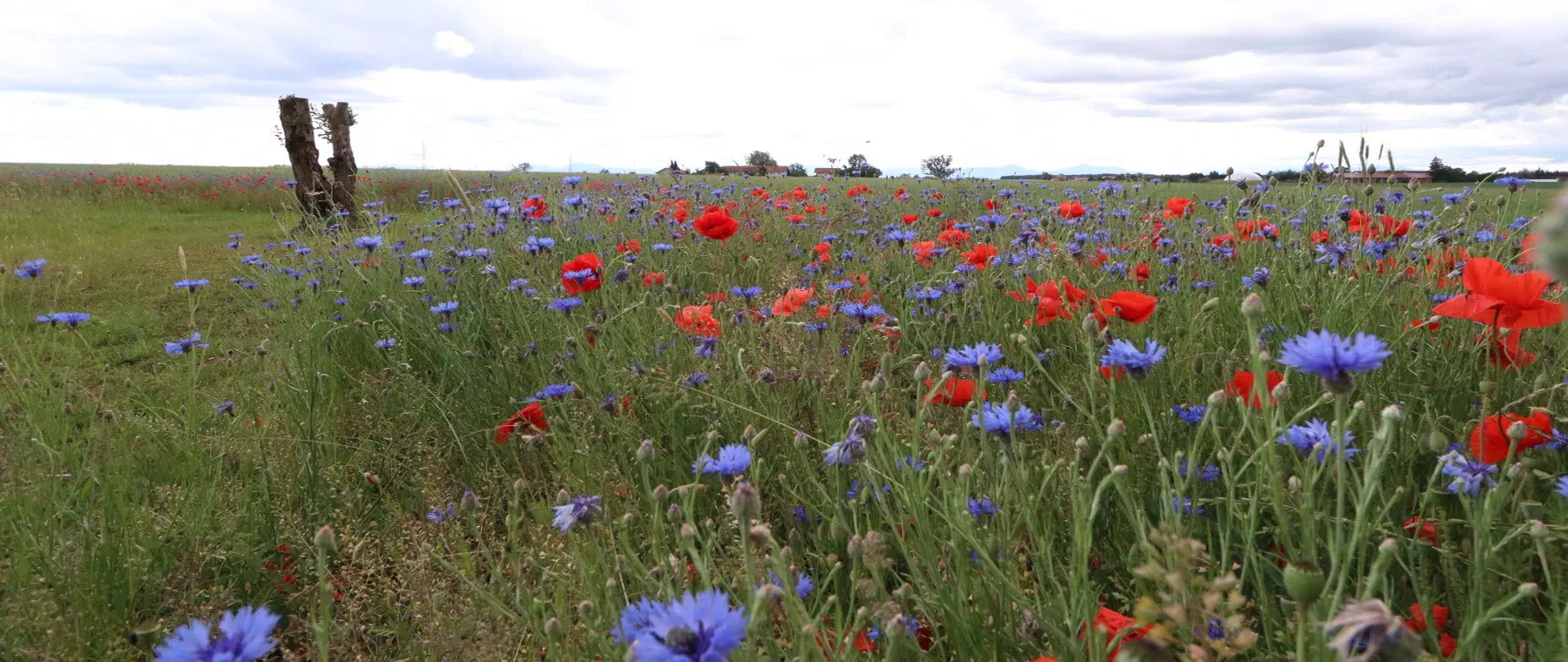
Eco-points and compensation areas
District of Leer
greeNature connects project developers in Leer District with legally secure compensation areas and eco-points. From impact-compensation assessment according to Lower Saxony nature conservation law through to permanent implementation and securing of compensation measures.
The District of Leer at a glance
Leer District forms the southern part of East Frisia and ranges from the marshes on the Ems and Dollart across the East Frisian geest to the North Sea island of Borkum.
Agriculture, maritime economy around the Leer location and wind energy expansion characterise the region and regularly create compensation requirements.
The basis of all compensation is the nature conservation impact mitigation regulation under §§ 13 to 15 BNatSchG in conjunction with NAGBNatSchG and the biotope value method (eco-points).
The lower nature conservation authority at Leer District is responsible for checking and approving. NLWKN guidance materials form the specialist basis.
🗺️ Associated natural regions
Go to natural region D26 ›
Go to natural region D25 ›
Go to natural region D30 ›
📍 Selected municipalities
🌿 Ecological features
- Extensive marshes on Ems and Dollart with internationally important staging and feeding areas for geese and wading birds.
- Peat landscapes and bogs in the Overledinger and Rheider lands with high potential for rewetting.
- Shares in the Lower Saxony Wadden Sea National Park and the island of Borkum belong to the district area.
- Numerous Natura 2000 sites (FFH and EU bird protection areas), such as along the Lower Ems and in the Rheider land.
- A dense network of ditches, tide sluices and peat channels characterises the water balance of the open landscape.
✅ greeNature on the ground
greeNature supports compensation projects nationally and knows the natural region features of East Frisia. For Leer District, we develop compensation and eco-account areas in marshes, on the geest and in bog areas that match each impact and meet Lower Saxony nature conservation law requirements. This way, project developers obtain legally secure eco-points without having to search for areas and secure them long-term themselves.
Typical measures in the district of Leer
Grassland extensification and meadow bird protection
Extensive management of moist grassland in the marshes, with adapted cutting dates and higher water levels, improves living conditions for meadow birds and generates upgrade points in the biotope value method.
Bog rewetting
Raising water levels in peat and lowland bogs of the peat areas develops bog-typical biotopes and sequesters carbon. Such measures can be implemented in advance via an eco-account and stockpiled.
Waterbody and ditch restoration
Natural design of flowing waterbodies, sluices and peat channels, such as with riparian margins and woody margins, upgrades water balance and creates habitats for amphibians, kingfisher and otter.
Wallows and woody structures
Creation and management of wallows, field hedgerows and pollard trees, the characteristic landscape elements of the geest, connect habitats and provide upgrade points in the assessment.
Eco-account and land pool
Early measures are recognised as an eco-account under NAGBNatSchG and stockpiled, so eco-points are legally available at the time of impact.
Species protection and CEF measures
Early compensation measures (CEF) secure ecological function for strictly protected species under § 44 BNatSchG, for example through new breeding habitat for field birds or replacement roosts for bats.
Protected species in the East Frisia on the Lower Ems
Northern lapwing
The northern lapwing breeds in the open marshes and moist meadows of the district. Its population is heavily in decline, so impacts on grassland frequently require targeted meadow bird measures.
About this species ›Skylark
The skylark inhabits open fields on the geest and marsh. For construction and infrastructure projects, early compensation areas (CEF) are often required for it.
About this species ›Bats
Several bat species use alleys, wallows and buildings as hunting territories and roosts. They rank among strictly protected species under § 44 BNatSchG.
About this species ›Amphibians
Moor frogs and other amphibian species live in the ditches, small waterbodies and bogs of the region. Preservation and creation of new spawning waters are common measures.
About this species ›Great crested newt
The great crested newt is a species of Annex II of the Habitats Directive and depends on sunny, fish-free small waterbodies. Targeted new waterbody creation is an option for it.
About this species ›Kingfisher
The kingfisher hunts on the Lower Ems, at sluices and peat channels and requires natural steep banks as breeding sites. Waterbody restoration directly benefits it.
About this species ›Which projects trigger a compensation obligation?
Wind energy and repowering
East Frisia is among the windiest regions of Germany. New construction and repowering of wind parks and associated grid connection regularly trigger compensation obligations.
Coastal and flood protection
Dyke improvements and coastal protection on Ems, Dollart and the North Sea impact sensitive marsh and tidal habitats and require nature conservation compensation.
Traffic and rail infrastructure
Preservation and expansion of roads, such as the A31 and A28, reconstruction of the Friesenbücke near Weener and rail projects on the Emsland line create impacts on nature and landscape.
Commerce and port development
Designation of commercial areas and development of port and logistics locations on the Ems lead to land consumption that must be offset through eco-points.
From enquiry to monitoring
Contact and enquiry
Tell us your compensation requirement and the natural region. We check availability.
Offer and advice
A transparent offer covering measure types, scope and availability.
Coordination with authorities
Full coordination with the lower nature conservation authority. We handle everything.
Long-term monitoring
Permanent securing of the land, management and documentation across the contract term.
Eco-points in adjoining districts
All about eco-points
in the district of Leer
Request eco-points in the district of Leer
We will promptly prepare a transparent offer with matching eco-points held in stock in the district of Leer.