Eco-points and compensation areas
District of Holzminden
Authority-recognised eco-points and compensation areas for impacts in the southern Lower Saxony uplands. greeNature, your nationally active full-service partner for compensation according to Lower Saxony nature conservation law in Solling, Vogler and Weser hills.
The District of Holzminden at a glance
Holzminden District lies in southern Lower Saxony and is one of the smaller districts in the state by area and by population. Defining are the forested central upland ridges of Solling and Vogler and the adjacent heights of Ith and Hils. Approximately 45 percent of the district area is forested.
By natural region, the entire district belongs to the BfN major natural region D36 (Weser and Weser-Leine hills). The Buntsandstone ridge of the Solling supports large-scale acid-soil beech and oak forests. On the chalk and gypsum sites of Ith and Vogler, chalk beech forests, cliffs and dry-land habitats grow. The Weser runs through the district as a defining watercourse.
Large areas of the district lie in the Solling-Vogler Nature Park in the Weser hills. The Natura 2000 network includes, among others, FFH sites of bogs and forests in the high Solling and the Ith with its extensive chalk beech and ravine forests. Old forest complexes, peat bog remnants and mountain meadows form here an inter-regionally significant habitat mosaic.
Economically, the district shows the state's highest proportion of workers in processing industries. Defining are the fragrance and flavour production in Holzminden, porcelain and glass production, electrical engineering, mechanical engineering plus raw material extraction (gypsum, limestone, sandstone). Commerce, raw material and infrastructure projects regularly trigger compensation requirements under Lower Saxony nature conservation law.
🗺️ Associated natural regions
Go to natural region D36 ›
📍 Selected municipalities
🌿 Ecological features
- Solling-Vogler Nature Park in the Weser hills, one of the largest contiguous forest areas in Lower Saxony
- FFH site Bogs and forests in high Solling, acid-soil beech forests with peat bog remnants and carr forests
- FFH site Ith, extensive chalk beech and ravine forests on the long Ith ridge
- Weser with floodplain habitats and accompanying wetland biotopes
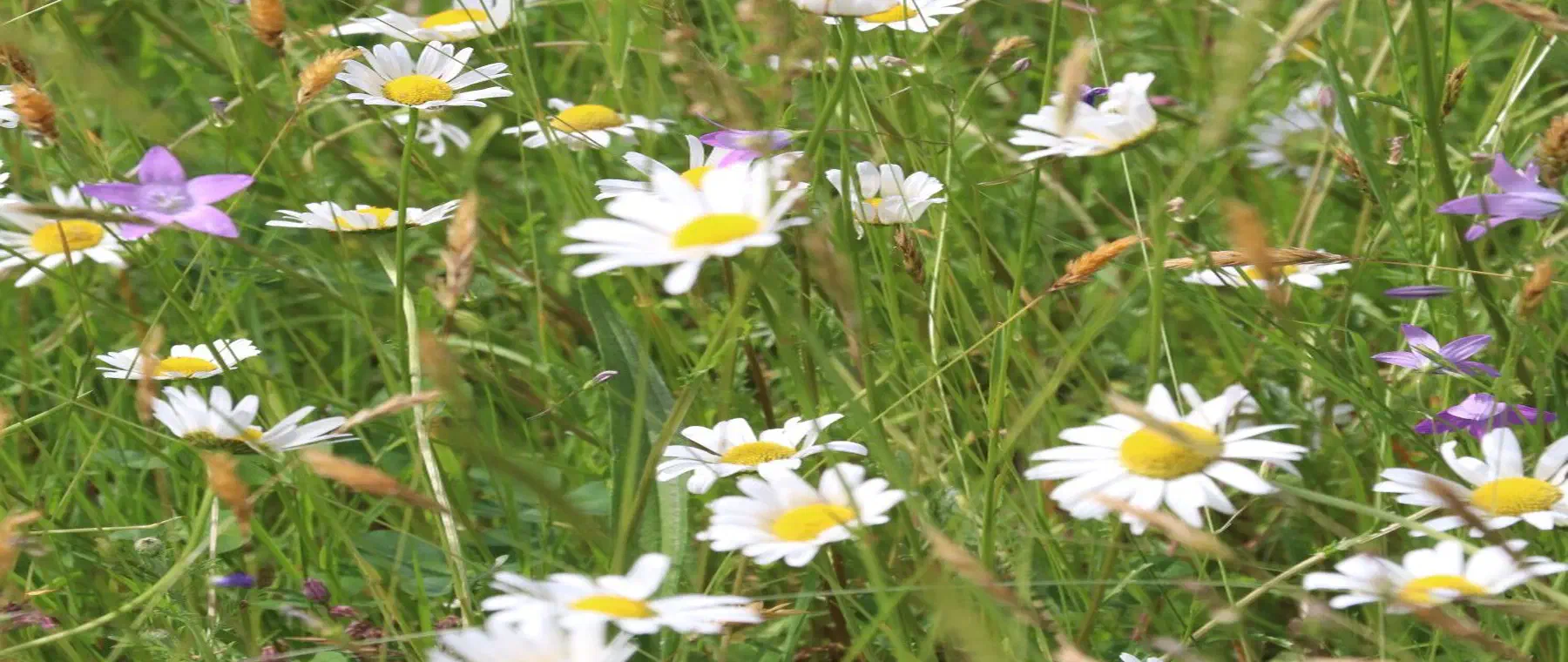
- Mountain meadows and matgrass grassland in the Hell valley, species-rich extensively managed grassland
- Chalk and gypsum karst with cliff sites (Heinsener cliffs, Rühler Switzerland)
- Inter-regionally significant European wildcat populations in the Solling
✅ greeNature on the ground
greeNature operates nationally and handles compensation projects in the southern Lower Saxony uplands. We work with the lower nature conservation authority of Holzminden District, know assessment using the biotope value method according to NLWKN guidance materials and correctly assign each impact to natural region D36.
Typical measures in the district of Holzminden
Natural woodland conversion
Conversion of unsuitable conifer plantations into acid-soil beech and oak mixed forests on Buntsandstone sites in the Solling, enrichment with old and dead wood and habitat trees for forest-linked species.
Bog restoration
Rewetting of drained peat and transition bog remnants in the high Solling, removal of drainage ditches and restoration of peat-forming vegetation.
Grassland extensification
Development of species-rich mountain and moist meadows and matgrass grassland in the Hell valley area and in valley floodplains, adapted cutting and extensive grazing.
Flowing waterbodies and floodplains
Restoration of Weser tributaries and streams, creation of waterbody margins, floodplain forest development and connectivity for aquatic fauna.
Hedgerows and habitat networks
Creation of hedgerows, copses and forest margins as stepping stones between upland ridges, strengthening of forest networks for the European wildcat.
Species protection CEF/FCS
Early compensation measures for bats, hazel dormouse and amphibians, roosts, spawning waters and lead structures, coordinated under § 44 BNatSchG.
Protected species in the Solling, Vogler and Weser hills
European wildcat
The Solling ranks among significant European wildcat habitats in Lower Saxony. Structurally diverse broadleaf forests, dead wood and networked forest margins are central target structures. Forest networking and green bridges are typical measure components.
About this species ›Black stork
Extensive, undisturbed forest complexes of the Solling and Vogler provide breeding habitat for black storks. Nest protection zones and natural forest streams are among effective protection and compensation measures.
About this species ›Bats
Old and beech forests support, among others, Bechstein's bat and greater mouse-eared bat. Cavity trees, roost networks and undisturbed hunting habitat are CEF-relevant in impacts.
About this species ›Hazel dormouse
The hazel dormouse inhabits structurally and fruit-rich forest margins, hedgerows and bushes in the Weser hills. Preservation and new creation of networked woody structures secure its populations in open-land impacts.
About this species ›Amphibians
Forest pools and bog waterbodies in the Solling are habitat for fire salamander, great crested newt and other amphibians. Creation and networking of spawning waters are proven compensation measures.
About this species ›Kingfisher
The kingfisher breeds on the Weser and accompanying streams in natural steep banks. Riverbank undercutting, waterbody restoration and breeding banks are suitable measures along flowing waterbodies.
About this species ›Which projects trigger a compensation obligation?
Industry and commerce
The district has a distinctive industrial core, from fragrance and flavour production in Holzminden through porcelain and glass to electrical engineering and mechanical engineering. Expansion of plant and commercial areas regularly creates compensation and replacement requirements.
Raw material extraction
Extraction of gypsum, limestone and sandstone in the Weser hills is linked with impacts on nature and landscape. Reclamation, subsequent use and external compensation through eco-points are needed here.
Wind energy
Wind energy installations are developing on upland areas and in priority development areas of the Weser hills. They trigger species protection checks (including bats and large birds) and compensation obligations.
Infrastructure and settlement
Expansion and bypass routes along federal roads (B64, B83, B240, B497) plus residential and commercial building areas lead to impacts with compensation requirements under § 15 BNatSchG.
From enquiry to monitoring
Contact and enquiry
Tell us your compensation requirement and the natural region. We check availability.
Offer and advice
A transparent offer covering measure types, scope and availability.
Coordination with authorities
Full coordination with the lower nature conservation authority. We handle everything.
Long-term monitoring
Permanent securing of the land, management and documentation across the contract term.
Eco-points in adjoining districts
All about eco-points
in the district of Holzminden
Request eco-points in the district of Holzminden
We will promptly prepare a transparent offer with matching eco-points held in stock in the district of Holzminden.