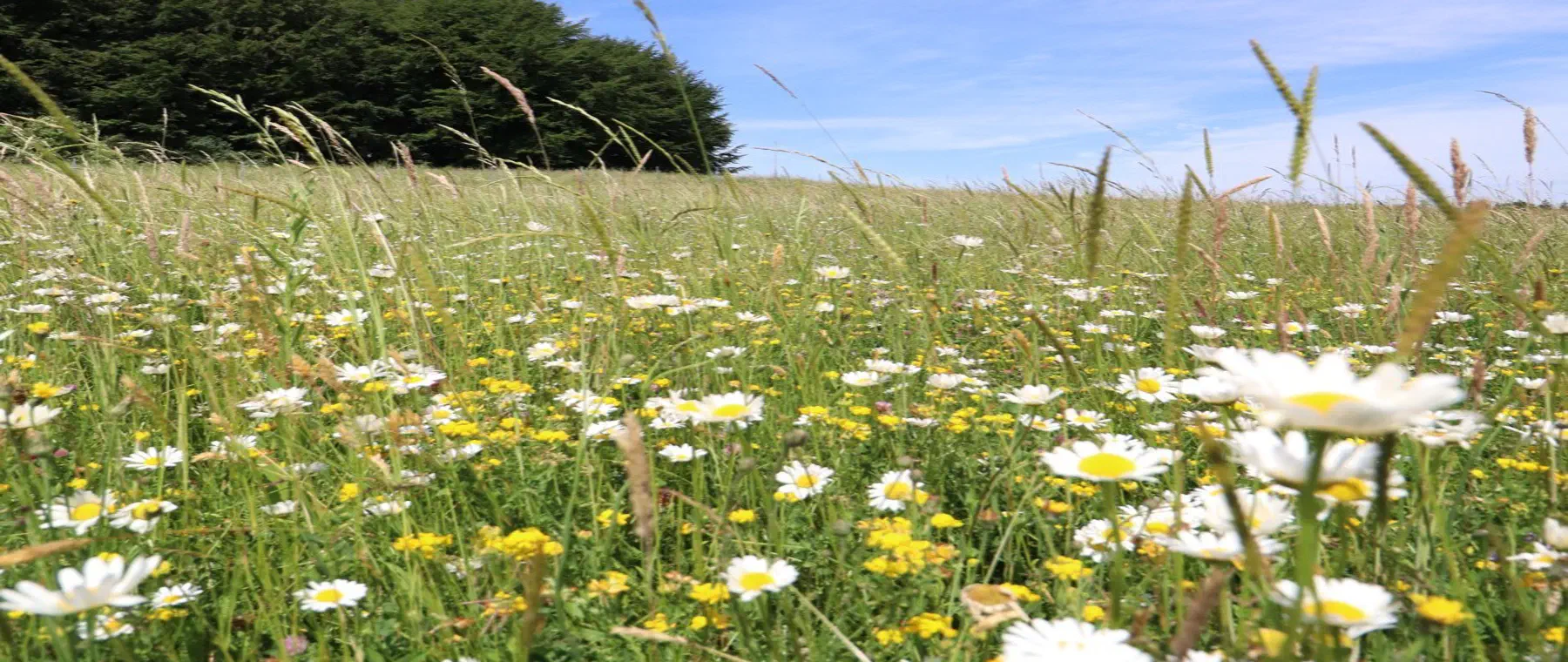
Eco-points and compensation areas
District of Heidekreis
Nature conservation planned compensation and replacement measures, plus eco-points in Heidekreis, assessed according to the Lower Saxony biotope value method. greeNature supports compensation from assessment through monitoring, active nationally and familiar with Lower Saxony nature conservation law.
The District of Heidekreis at a glance
Heidekreis lies in northeastern Lower Saxony and belongs almost entirely to the BfN major natural region Lüneburger Heide (D28). With approximately 1,881 square kilometres, it ranks among the largest districts in the state by area, yet is sparsely populated and characterised by forest, heathland and nutrient-poor sandy soils. The district seat is the town of Bad Fallingbostel.
Landscape-wise, extensive sand heaths, juniper stands and Scots pine plantations dominate, interspersed with clear heathland streams such as the Örtze and Böhme. To the south, the geest transitions into the Aller lowlands, which by natural region forms part of the Weser-Aller lowlands (D31) and supports moist grassland and floodplain habitats.
Ecologically significant is especially the Lüneburger Heide as one of the largest contiguous heathland areas in central Europe. Large military training areas near Munster and Bergen-Hohne safeguard undisturbed open-land and moorland habitats, which have become a refuge for many specialised heathland species.
Economically, agriculture and forestry, the Walsrode industrial park, tourism enterprises such as Heide Park, and a dense transport corridor along the A7 motorway shape the district. Compensation requirements regularly arise from road construction, commerce, energy projects and mineral extraction under the nature conservation impact mitigation regulation.
🗺️ Associated natural regions
Go to natural region D28 ›
Go to natural region D27 ›
📍 Selected municipalities
🌿 Ecological features
- EU bird protection area V24 and FFH site 070 'Lüneburger Heide' with sand heaths, juniper stands and sandy grasslands
- Nature reserve Pietzmoor near Schneverdingen, source area of the Böhme, a restored peat bog
- Natural heathland streams Örtze and Böhme with structurally diverse valley wetlands
- Military training areas of Munster and Bergen-Hohne as large-scale, undisturbed heathland and moorland landscapes
- Further protected areas such as Großes Moor near Becklingen (FFH 082), Upper Wümme lowlands (FFH 038) and Lehrdetal (FFH 276)
- Aller lowlands to the south with moist grassland and floodplain habitats of the Weser-Aller lowlands
- A total of 27 nature reserves across large, sparsely populated district area
✅ greeNature on the ground
greeNature operates nationally and plans compensation measures that respect natural regions in the Lüneburger Heide and Aller lowlands. We work according to Lower Saxony nature conservation law (NAGBNatSchG), assess using the biotope value method and NLWKN guidance materials and coordinate measures with the Environmental Office of Heidekreis as the lower nature conservation authority.
Typical measures in the district of Heidekreis
Heathland management and deforestation
Preservation and restoration of sand heaths through deforestation, plaggen, cutting and extensive sheep grazing. These historically developed open-land biotopes are habitat for many strictly protected species and provide high-value upgrading potential in the biotope value method.
Moorland restoration
Rewetting of drained peat and transition bogs, for example in the vicinity of Pietzmoor and numerous moorland sites on the geest. Water retention promotes peat-forming vegetation, dragonflies and amphibians, whilst also sequestering carbon.
Flowing waterbody restoration
Removal of bank engineering, creation of gravel bars and natural waterbody margins on the Örtze, Böhme and Aller. The upgraded heathland streams provide habitat for river lamprey, bullhead and kingfisher.
Sandy grassland and CEF measures
Bare ground maintenance, creation of sand lenses and stone piles on warm, dry slopes and worked areas. As CEF measures under § 44 BNatSchG, they secure breeding sites for sand lizard, natterjack toad and warmth-loving insects.
Grassland extensification in the Aller lowlands
Conversion of intensively used areas into species-rich moist grassland with late cutting dates and drainage ditch edge design. Moist grassland is breeding habitat for meadow birds such as northern lapwing and snipe.
Natural woodland conversion
Conversion of unsuitable Scots pine plantations into natural oak, birch and beech mixed forests on the geest soils. Structurally diverse forest edges and old and dead wood increase habitat quality for bats, cavity-nesting birds and black storks.
Protected species in the Lüneburger Heide and Aller lowlands
Woodlark and European nightjar
Open sand heaths and sparse pine stands host characteristic heathland birds. Woodlarks and skylarks breed in structurally diverse dwarf shrub heath. The nocturnal European nightjar uses sunny bare ground sites. Preservation and management of open heathland areas are crucial for these species.
About this species ›Sand lizard
Warm, dry slopes, sandy grassland and worked areas are habitat for the sand lizard. For the strictly protected species under § 44 BNatSchG, sunny sand structures and stone piles can be deliberately created as CEF measures.
About this species ›Bats
Forests rich in old and dead wood, heathland streams and buildings provide roosts and hunting areas for species such as greater mouse-eared bat, serotine and common pipistrelle. Preservation of cavity trees and structurally diverse forest edges secures their habitats.
About this species ›Moor frog and natterjack toad
Heathland ponds, moorland waterbodies and bare sand pits are spawning grounds for moor frogs and natterjack toads. Both amphibian species benefit from newly created, sunny small waterbodies and bare soils.
About this species ›Black stork
Extensive, undisturbed forests on the Örtze and Böhme provide the black stork with breeding sites. Natural streams and moist meadows serve as feeding habitat. Undisturbed zones and restored waterbodies support the sensitive population.
About this species ›Northern lapwing
The northern lapwing breeds in moist grassland in the Aller lowlands. Extensively managed, waterlogged meadows with late cutting dates and open shallow pools are essential for the breeding success of meadow birds.
About this species ›Which projects trigger a compensation obligation?
Transport and infrastructure
The A7 motorway crosses Heidekreis over its entire length. In addition come federal and state roads, bypass routes and railway lines. Expansion and new construction trigger compensation and replacement obligations under the impact mitigation regulation, often linked with species protection CEF measures.
Industry and commerce
The Walsrode industrial park with businesses such as Dow and Wipak, plus new commercial and logistics areas along the A7 create compensation requirements. greeNature supports assessment, area allocation and authority coordination.
Energy and raw materials
Wind parks and utility-scale photovoltaic installations on geest locations, plus natural gas extraction, cavity storage and sand extraction create nature conservation compensation requirements and can require FCS measures for wind-sensitive species.
Tourism and settlement
Recreational facilities such as Heide Park Soltau and Serengeti Park Hodenhagen, plus residential and commercial building areas in towns and municipalities trigger compensation measures. Landowners can offer their properties as compensation areas.
From enquiry to monitoring
Contact and enquiry
Tell us your compensation requirement and the natural region. We check availability.
Offer and advice
A transparent offer covering measure types, scope and availability.
Coordination with authorities
Full coordination with the lower nature conservation authority. We handle everything.
Long-term monitoring
Permanent securing of the land, management and documentation across the contract term.
Eco-points in adjoining districts
All about eco-points
in the district of Heidekreis
Request eco-points in the district of Heidekreis
We will promptly prepare a transparent offer with matching eco-points held in stock in the district of Heidekreis.