Eco-points and compensation areas
District of Märkisch-Oderland
Compensation and replacement measures and eco-accounts in Märkisch-Oderland district, assessed verbal-argumentatively in Brandenburg according to the guidelines for implementation of the impact mitigation regulation (HVE). greeNature is your full-service partner active across Germany for compensation of impacts in the Oder floodplain, Upper Barnim and Lebuser Land.
The District of Märkisch-Oderland at a glance
Märkisch-Oderland district lies in eastern Brandenburg between the eastern edge of Berlin and the German-Polish border on the Oder. At around 2,159 km², it is one of Brandenburg's largest districts. The district seat and administrative seat is Seelow. The district was created in 1993 from the former districts of Bad Freienwalde, Seelow and Strausberg and parts of Fürstenwalde district. Brandenburg is not divided into administrative regions, so no administrative level is interposed.
The district combines three very different landscapes: the wide, embanked Oder floodplain, one of Central Europe's largest drained river lowlands, the heights of the Upper Barnim in the north-west and the Lebuser Land with its distinctive Oder slopes. The range extends from damp lowland meadows through dry and semi-dry grasslands to extensive pine and deciduous mixed forests.
Ecologically important above all are the Oder floodplain with the EU bird protection area Middle Oder lowland and several FFH areas such as Oderwiesen Neurüdnitz, Oderaue Genschmar and the Oder slopes near Mallnow with their thermophilic dry grasslands. In the west lies the Märkische Schweiz nature park, at around 205 km² the smallest and simultaneously oldest major protected area in Brandenburg, with the Stobbertal nature reserve and the Altfriedland wetland.
The economy ranges from intensive agriculture in the fertile Oder floodplain through raw materials extraction near Rüdersdorf (limestone and cement production) to strong settlement and commercial pressure in the Berlin hinterland (Neuenhagen, Hoppegarten, Fredersdorf-Vogelsdorf, Petershagen/Eggersdorf). Road and rail projects, residential and commercial land and wind and ground-mounted solar photovoltaic installations regularly trigger impacts. Compensation is based on the impact mitigation regulation of sections 13 to 15 of the Federal Nature Conservation Act (BNatSchG) in conjunction with the BbgNatSchAG and is assessed in Brandenburg verbal-argumentatively according to the guidelines for implementation of the impact mitigation regulation (HVE), not via a nationwide eco-points procedure.
🗺️ Associated natural regions
Go to natural region D12 ›
📍 Selected municipalities
🌿 Ecological features
- Oder floodplain, one of the largest embanked river lowlands in Central Europe, with the EU bird protection area Middle Oder lowland
- FFH areas of the Oder floodplain such as Oderwiesen Neurüdnitz, Oderaue Genschmar and Odervorland Gieshof with species-rich wet grassland
- Oder slopes near Mallnow and in Lebuser Land with Pontic dry and semi-dry grasslands, thermophilic insect and plant communities
- Märkische Schweiz nature park (around 205 km²), Brandenburg's oldest major protected area, with the Stobbertal nature reserve and the Altfriedland wetland
- Barnim forest and lake landscape in the north-west with pine plantations, waterways and small water bodies
- Rüdersdorf limestone quarry as a regionally significant post-mining landscape with special secondary habitats
✅ greeNature on the ground
greeNature operates across Germany and is familiar with Brandenburg's compensation law. We work with the lower nature conservation authority of Märkisch-Oderland district in Seelow, understand the verbal-argumentative assessment according to the guidelines for implementation of the impact mitigation regulation (HVE) and the requirements for eco-accounts and certified land pools according to the land pool ordinance and the BbgNatSchAG. From requirements analysis through land safeguarding to implementation, management and monitoring, we support your project in the Oder floodplain, Upper Barnim and Lebuser Land continuously.
Typical measures in the district of Märkisch-Oderland
Wet grassland in the Oder floodplain
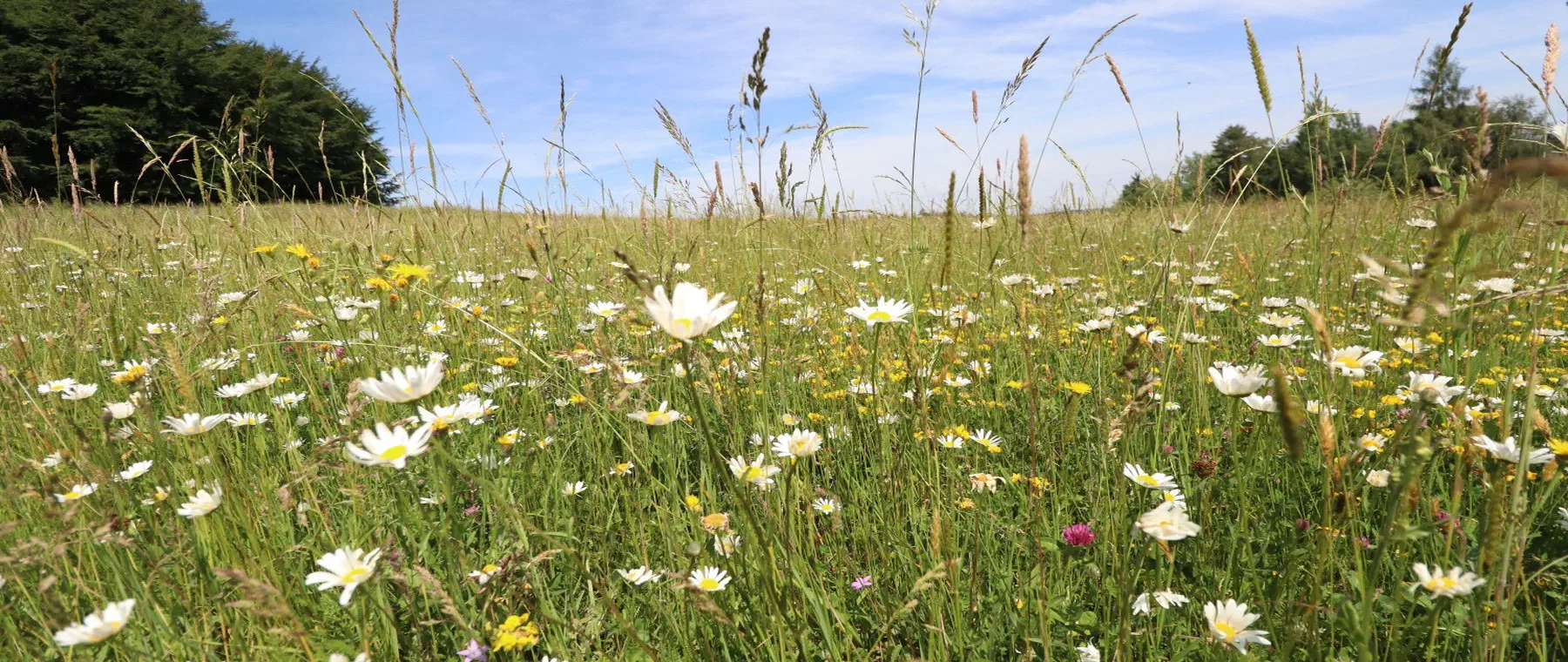
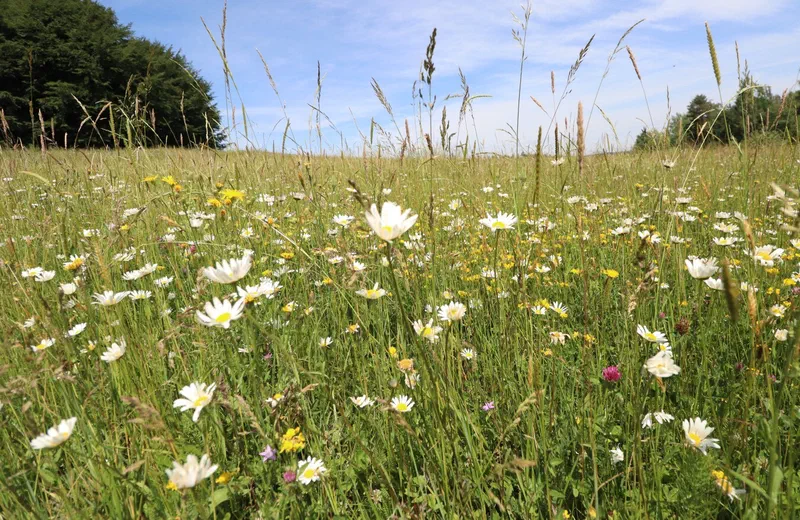
Extensification of intensively used areas into species-rich wet and damp grasslands in the Oder floodplain. Adapted mowing dates, waiver of fertilisation and establishment of shallow depressions create breeding and feeding habitats for meadow-breeding birds and enhance the floodplain ecologically.
Riparian and watercourse restoration
Reactivation of oxbow lakes, naturally dynamic modification of ditches and waterways, and establishment of small water bodies in the Oder floodplain and Märkische Schweiz. Such measures improve water balance and create habitat for amphibians, dragonflies and kingfishers.
Dry grasslands and traditional orchards on the Oder slopes
Management and restoration of thermophilic dry and semi-dry grasslands and establishment of traditional orchard stands in Lebuser Land, for example on the Oder slopes near Mallnow. Grazing and de-bushing secure species-rich open-land habitats typical for the natural region.
Forest conversion on Upper Barnim
Conversion of structurally poor pine plantations into site-appropriate deciduous and mixed forests with oak, hornbeam and beech. Conversion increases structural and species diversity, stabilises water balance and serves as permanently secured compensation land.
Hedgerows and habitat network
New establishment of hedgerows, field copses and fringes in the denuded arable landscape of Upper Barnim and Lebuser plain. These structures network habitats as stepping-stone habitats and provide cover and food for field birds, insects and small mammals.
Species protection CEF and FCS
Advanced compensation measures under § 44 BNatSchG, such as replacement roosts for bats, habitat structures for sand lizards and new breeding ponds for amphibians, coordinated with the specific project and the conservation status of the affected population.
Protected species in the Oder floodplain, Upper Barnim and Lebuser Land
Meadow-breeding birds in the Oder floodplain
Northern lapwings and other meadow-breeding birds use the open wet meadows of the Oder floodplain. Typical measures are grassland extensification, adapted mowing regimes and creation of shallow depressions as advanced CEF measures.
About this species ›Skylark and open-land species
The wide arable landscape on Upper Barnim and Lebuser plain is habitat for skylarks. In construction and infrastructure projects, lark windows, flowering strips and extensive field margin strips are proven species protection measures under § 44 BNatSchG.
About this species ›Sand lizard on the Oder slopes
Dry grasslands, slopes and railway embankments in Lebuser Land provide habitat for the strictly protected sand lizard. For impacts, relocation and establishment of sunny habitat structures with stone piles and sandy patches are typical CEF measures.
About this species ›Amphibians in floodplains and small water bodies
Red-bellied toads, tree frogs and other amphibians inhabit small water bodies and damp depressions of the Oder floodplain and Märkische Schweiz. New or restored breeding ponds in spatial connection secure breeding sites when impacts occur.
About this species ›Bats in forests and post-mining sites
Old tree stands, buildings and tunnels of the Rüdersdorf post-mining landscape provide roosts for strictly protected bat species (Annex IV of the Habitats Directive). When buildings are demolished or trees felled, replacement roosts are required as CEF measures.
About this species ›Black stork and woodland species
In the contiguous forests of Upper Barnim and Märkische Schweiz, the black stork breeds, requiring undisturbed old-growth stands and naturally dynamic watercourses as foraging habitat. Forest conversion, nest protection and restoration of waterways support conservation status.
About this species ›Which projects trigger a compensation obligation?
Settlement and commercial pressure in Berlin's hinterland
The city-adjacent municipalities of Neuenhagen, Hoppegarten, Fredersdorf-Vogelsdorf, Petershagen/Eggersdorf and Rüdersdorf are growing rapidly. Residential and commercial areas trigger impacts for which compensation must be provided verbal-argumentatively according to the HVE. greeNature secures and develops suitable land in the district.
Traffic and railways
Expansion and remediation of roads such as the B1 and B5, bypass routes and measures on railway lines towards Berlin and the Oder (East Railway) regularly generate compensation and replacement obligations, plus species protection requirements.
Raw materials extraction Rüdersdorf
The limestone quarry and cement production at Rüdersdorf are of supra-regional importance. Expansions and subsequent uses require nature conservation compensation, while post-mining sites offer potential for high-quality compensation and reclamation measures.
Renewable energies
Wind energy on Upper Barnim and Lebuser plain, plus ground-mounted solar photovoltaic installations on the margins of the Oder floodplain require compensation and CEF measures, particularly for open-land and raptor species. greeNature plans project-specific measures and land pools.
From enquiry to monitoring
Contact and enquiry
Tell us your compensation requirement and the natural region. We check availability.
Offer and advice
A transparent offer covering measure types, scope and availability.
Coordination with authorities
Full coordination with the lower nature conservation authority. We handle everything.
Long-term monitoring
Permanent securing of the land, management and documentation across the contract term.
Eco-points in adjoining districts
All about eco-points
in the district of Märkisch-Oderland
Request eco-points in the district of Märkisch-Oderland
We will promptly prepare a transparent offer with matching eco-points held in stock in the district of Märkisch-Oderland.