Eco-points and compensation areas
District of Weißenburg-Gunzenhausen
Eco-points immediately available from officially recognised eco-accounts in the Altmühltal and Fränkisches Seenland. greeNature is your full-service partner for compensation under the BayKompV in the district of Weißenburg-Gunzenhausen.
The District of Weißenburg-Gunzenhausen at a glance
The district of Weißenburg-Gunzenhausen lies in the south of the Mittelfranken administrative region and is marketed as Altmühlfranken. It stretches from the Mittelfränkisches Becken in the north, across the Alb foreland, to the heights of the Südliche Frankenalb in the south. The district seat is the large district town of Weißenburg i. Bay., with Gunzenhausen and Treuchtlingen as further centres.
Geologically, the district spans three landscapes. In the north, the sandstones of the Keuper in the Mittelfränkisches Becken shape the scenery, in the middle area the Alb foreland with the ferruginous sandstones and clays of the Jurassic, and in the south the limestone and dolomite rock of the Frankenalb with its typical karst features, dry valleys and juniper heaths. The Altmühl runs through the district over around 52 kilometres.
The Altmühltal with the Wiesmet and the Altmühlsee are ecologically significant, forming Bavaria's most important breeding area for curlew, black-tailed godwit and northern lapwing as an EU Special Protection Area (SPA 6728-471). In addition, there are the reservoirs of the Fränkisches Seenland (Großer Brombachsee, Altmühlsee, Igelsbachsee), calcareous grassland and juniper heaths of the Frankenalb, as well as valley meadows and pond areas as species-rich wetland habitats.
Economically, the district is shaped by agriculture, tourism in the Seenland and the Altmühltal nature park, skilled trades, and the extraction of Jurassic limestone and natural stone (including Treuchtlingen marble). Quarry operations, the expansion of transport and rail infrastructure (the Treuchtlingen railway junction), commercial land and ground-mounted photovoltaics regularly generate a compensation requirement under the BayKompV.
🗺️ Associated natural regions
Go to natural region D59 ›
Go to natural region D61 ›
📍 Selected municipalities
🌿 Ecological features
- Altmühltal EU Special Protection Area with Brunst-Schwaigau and the Altmühlsee (SPA 6728-471)
- Wiesmet, Bavaria's most important meadow-breeding bird area, with curlew and black-tailed godwit
- Fränkisches Seenland with the Großer Brombachsee, Altmühlsee and Igelsbachsee
- Altmühltal nature park with calcareous grassland and juniper heaths on the Frankenalb
- Karst landscape of the Südliche Frankenalb with caves and dry valleys
- Natural stone and Jurassic limestone extraction in the Treuchtlingen area and around Solnhofen
- Transition of three natural landscapes, from the Keuper basin across the Alb foreland to the Frankenalb
✅ greeNature on the ground
As a specialist firm for nature conservation compensation, we know the ecological requirements in the Altmühltal and the Fränkisches Seenland from practical experience. We work with the lower nature conservation authority at the Weißenburg-Gunzenhausen District Office, assign impacts to natural regions D59 and D61, and provide eco-points from recognised eco-accounts for your project.
Typical measures in the district of Weißenburg-Gunzenhausen
Meadow-breeding bird protection in the Altmühltal
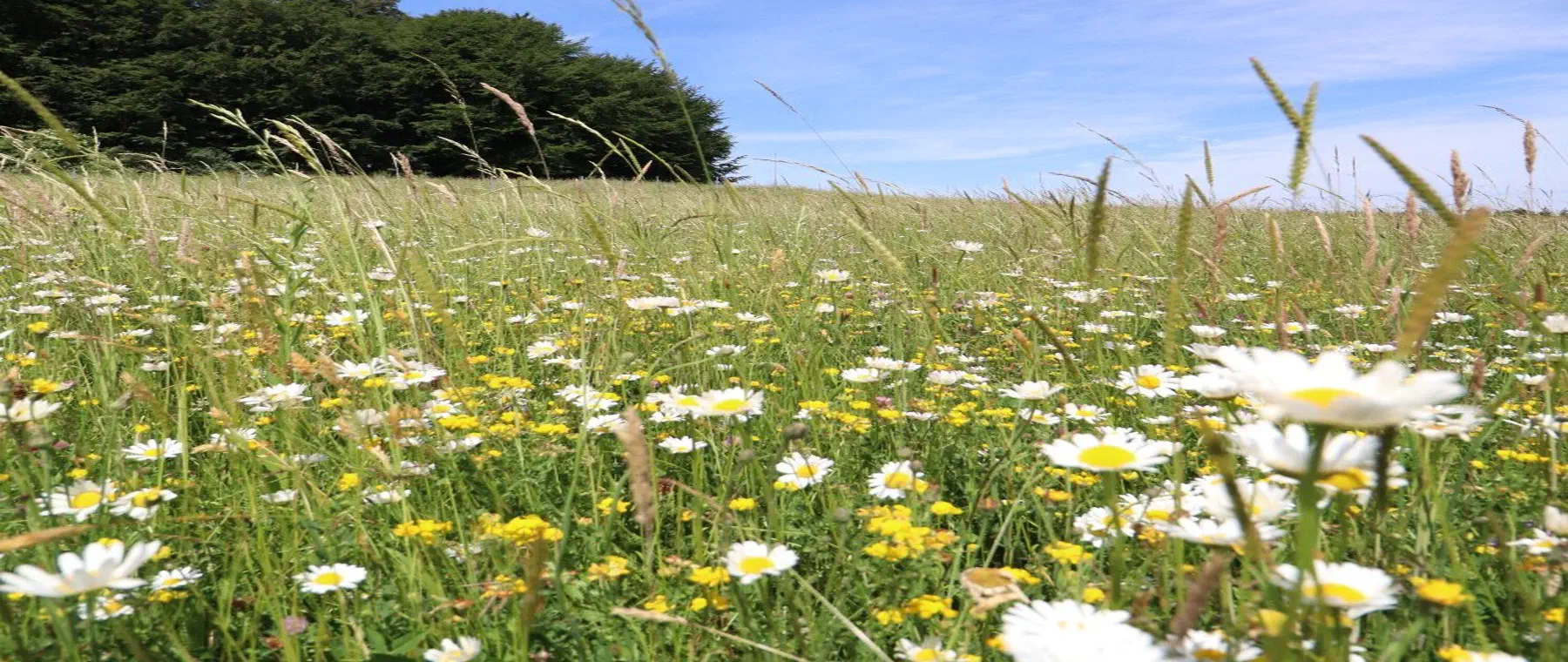
Extensification and rewetting of wet valley meadows in the Wiesmet and along the Altmühl, adapted mowing regimes and raising ditch water levels to benefit curlew, black-tailed godwit and northern lapwing.
Calcareous grassland and juniper heaths
Resuming sheep and goat grazing and clearing scrub from calcareous grassland and juniper heaths on the slopes of the Frankenalb, habitat for warmth-loving insects, reptiles and orchids.
Altmühl and watercourse restoration
Reactivating oxbows, creating near-natural bank structures and spawning waters on the Altmühl and its tributaries, enhancing pond areas for amphibians and dragonflies.
Species protection CEF/FCS
Tailored measures under the BayKompV: sand lizard habitats in disused quarries, bat roosts in cellars and karst structures, amphibian spawning waters and replacement habitats for meadow-breeding birds.
Traditional orchard and hedgerow network
Establishing and managing traditional orchards and hedgerow structures in the Alb foreland and the Keuper basin, stepping-stone habitats and a habitat network in the agricultural landscape for little owl, red-backed shrike and wild bees.
Forest conversion on the Frankenalb
Converting structurally poor conifer plantations into site-appropriate mixed beech and oak woodland on the Jurassic plateaus, promoting old and dead wood for cavity-nesting birds and bats.
Protected species in the Altmühltal and Fränkisches Seenland
Meadow-breeding birds in the Wiesmet
The Altmühltal with the Wiesmet is Bavaria's most important breeding area for curlew, black-tailed godwit and northern lapwing. Typical CEF measures include rewetting, delayed mowing and predator management in the wet meadows.
About this species ›White and black stork
The white stork uses the extensively managed valley meadows of the Altmühltal as a feeding ground, while the black stork breeds in the undisturbed woodland of the Frankenalb. Both must regularly be assessed as FCS-relevant species in wind energy and infrastructure projects.
About this species ›Kingfisher on the Altmühl
Near-natural bank sections with steep faces along the Altmühl and on the Seenland waters offer the kingfisher breeding sites. CEF measures include shaping steep banks and securing fish-rich shallow-water zones.
About this species ›Sand lizard on Jurassic ground and in quarries
Calcareous grassland, dry slopes, railway embankments and disused quarries of the Frankenalb are core habitats of the sand lizard. It is a frequent target species in raw material extraction, transport and photovoltaic projects and requires advance replacement habitats.
About this species ›Bats in karst and cellars
The caves, rock crevices and building cellars of the Frankenalb serve species such as the greater mouse-eared bat and the barbastelle as roosts and winter habitat. Securing roosts and providing replacement roosts are typical building blocks in construction projects.
About this species ›Great crested newt and amphibians
Pond areas, oxbows and pools in the Alb foreland and the Seenland are home to the great crested newt, European tree frog and yellow-bellied toad. Newly created, sunlit spawning waters are a proven compensation measure under the BayKompV.
About this species ›Which projects trigger a compensation obligation?
Raw material extraction and quarries
The extraction of Jurassic limestone, natural stone and sand, including around Treuchtlingen and Pappenheim, shapes the district. New workings and extensions to extraction sites regularly trigger compensation and replacement obligations, often combined with measures for the sand lizard and bats.
Transport and rail infrastructure
Treuchtlingen is an important railway junction. The expansion and electrification of railway lines, bypasses and the expansion of federal and state roads in the Altmühltal generate a compensation requirement under the BayKompV.
Energy and renewables
Ground-mounted photovoltaics on the plateaus of the Frankenalb and in the Alb foreland, wind energy projects and the expansion of power grids require statutory nature conservation compensation and FCS measures for large birds and birds of prey.
Settlement, commerce and tourism
Residential and commercial areas in Weißenburg, Gunzenhausen and Treuchtlingen, as well as tourist infrastructure in the Fränkisches Seenland, trigger impacts. Owners of suitable land can offer it as compensation area.
From enquiry to monitoring
Contact and enquiry
Tell us your compensation requirement and the natural region. We check availability.
Offer and advice
A transparent offer covering measure types, scope and availability.
Coordination with authorities
Full coordination with the lower nature conservation authority. We handle everything.
Long-term monitoring
Permanent securing of the land, management and documentation across the contract term.
Eco-points in adjoining districts
All about eco-points
in the district of Weißenburg-Gunzenhausen
Request eco-points in the district of Weißenburg-Gunzenhausen
We will promptly prepare a transparent offer with matching eco-points held in stock in the district of Weißenburg-Gunzenhausen.