Eco-points and compensation areas
City of Straubing
Officially recognised eco-points and compensation areas for projects in the independent city of Straubing. greeNature is your full-service partner for compensation according to BayKompV in the Gäuboden and Danube valley.
The City of Straubing at a glance
Straubing is an independent city in the administrative region Lower Bavaria and ranks among the four regional centres. The city lies on the Danube in the heart of the Gäuboden (Dungau), one of Bavaria's most fertile agricultural landscapes, also called Bavaria's granary due to its deep loess soils.
In natural region terms, the entire city area belongs to the BfN natural region D65 (Lower Bavarian hilly region) with the flat Danube plain and adjoining Gäuboden. Characteristic is the contrast between intensively used, largely denuded arable fields and the naturalised Danube floodplains with oxbows to the north of the city area.
Ecologically significant are the Danube and its oxbows, including the Öberau Danube loop. The Danube and its floodplains between Straubing and Vilshofen are protected as Natura 2000 site and EU bird protection area (Natura 2000) and provide habitat for meadow-breeding birds, waterfowl and floodplain-typical species.
Economically, Straubing is shaped by agriculture of the Gäuboden, the Straubing-Sand harbour and the BioCampus Straubing as a site for bio-based economy and renewable raw materials. Housing, commercial development and infrastructure regularly generate compensation requirements according to BayKompV in the growing city.
🗺️ Associated natural regions
Go to natural region D65 ›
📍 City districts
🌿 Ecological features
- Danube with floodplains and oxbows, Natura 2000 site and EU bird protection area between Straubing and Vilshofen
- Öberau Danube loop, naturalised oxbow with floodplain-typical habitats
- Gäuboden (Dungau), deep loess soils and intensive arable landscape (Bavaria's granary)
- Largely denuded open countryside with high upgrading potential for field birds and habitat network
- Straubing-Sand harbour and BioCampus as site for bio-based economy
- Danube as supraregional habitat network and migration corridor along the river
✅ greeNature on the ground
Our Bavarian office (Kastl, Altötting district) lies in the lower Bavarian-upper Bavarian region. We know the lower nature conservation authority of the city of Straubing, the nature conservation requirements in the Gäuboden and Danube floodplains and assessment according to BayKompV from daily practice and accompany project developers from demand analysis to acceptance.
Typical measures in the city of Straubing
Danube floodplain restoration
Upgrading of oxbows and bank structures along the Danube, connection of old water courses and development of floodplain-typical damp habitats for amphibians, dragonflies and waterfowl.
Open countryside upgrading in the Gäuboden
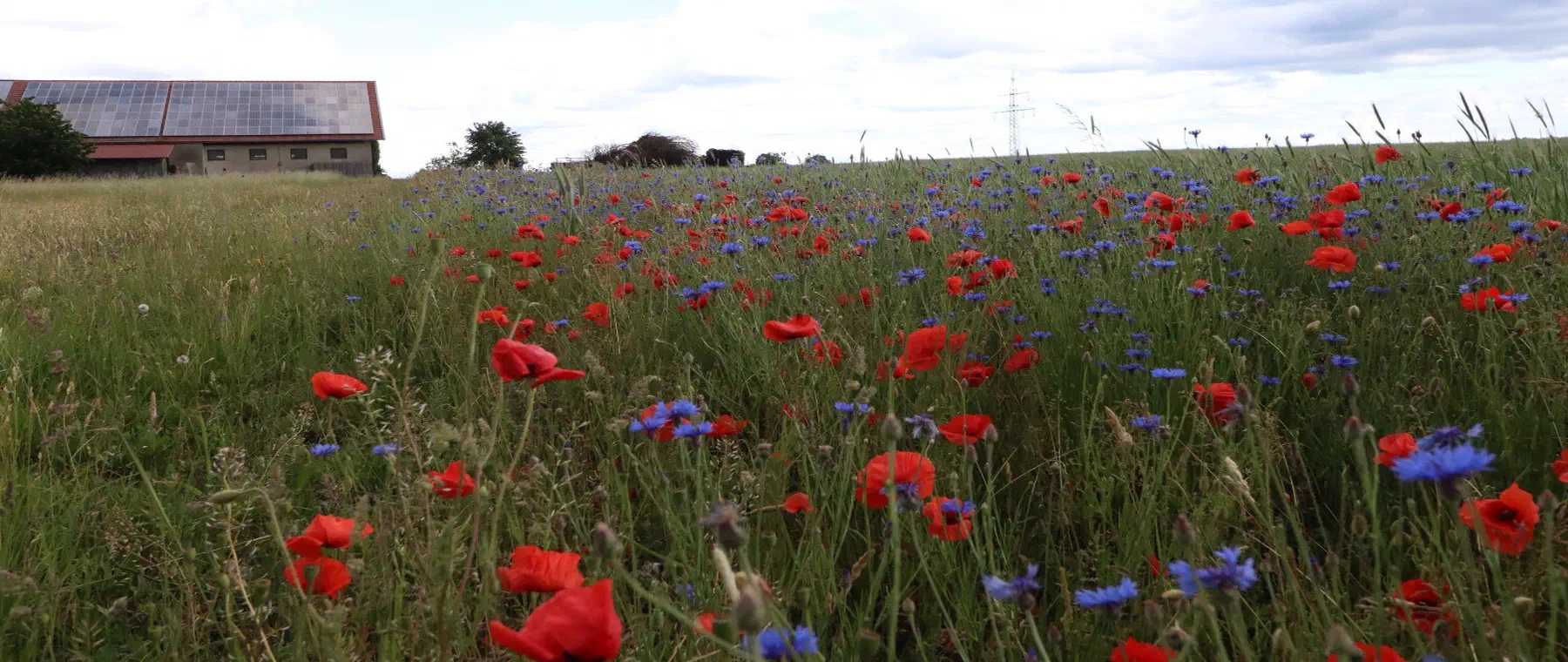
Establishment of arable margins, flowering areas and skylark patches in intensively used loess arable land, specifically benefiting skylark, northern lapwing and brown hare.
De-sealing and inner development
Removal and de-sealing of no longer used commercial and transport areas in the city area with subsequent greening, an effective compensation in urban space.
Grassland extensification
Conversion of intensively used areas of the Danube depression into species-rich extensively managed grassland, habitat for meadow-breeding birds and feeding habitat for white stork and birds of prey.
Species protection CEF/FCS
Tailored measures according to BayKompV, such as habitat areas and stone ridges for sand lizard on railway and harbour facilities, bat roosts and kingfisher steep banks on watercourses.
Hedgerows and floodplain forest structures
Establishment of hedgerows, field woodland and site-appropriate floodplain forest stocks (willow, black alder, ash) to network denuded open countryside with Danube floodplains.
Protected species in the Gäuboden and Danube valley
Skylark
The skylark is characteristic species of open Gäuboden arable fields but suffers from intensive use. Skylark patches and extensive margins are typical CEF measures for impacts on open countryside.
About this species ›Northern lapwing
The northern lapwing breeds in the Danube depression and on damp arable areas of the Gäuboden. Rewetting and extensively used damp meadows are effective upgrading measures for the threatened meadow-breeding bird.
About this species ›Kingfisher
On the Danube, oxbows and secondary watercourses, the kingfisher finds feeding and breeding sites. Naturalised steep banks and bank collapse areas are targeted CEF measures for the species.
About this species ›Amphibians in the Danube floodplains
Tree frog, unkes and other amphibians settle oxbows and ponds of the Danube floodplains. Newly established, sunny small waters rank among common compensation measures in floodplain areas.
About this species ›Bats
The Danube floodplains and old tree stocks in the city area serve bats such as common pipistrelle and large noctule as hunting and roost habitat. Roost aids and woodland retention are typical measures.
About this species ›Sand lizard
The sand lizard settles railway embankments, slopes and ruderal areas in city and harbour areas. In construction and infrastructure projects, it is a common target species for CEF measures according to § 44 BNatSchG.
About this species ›Which projects trigger a compensation obligation?
Housing and inner development
As a growing regional centre, Straubing designates new residential and densification areas. These impacts trigger compensation and replacement obligations according to §§ 13 to 15 BNatSchG in conjunction with BayKompV.
Commerce and Straubing-Sand harbour
The Straubing-Sand harbour and BioCampus as a bio-based economy site continue to develop. Expansions of commercial and logistics areas regularly generate compensation requirements.
Traffic and infrastructure
Road construction measures, Danube bridges, junctions and expansion of railway facilities in the city area lead to impacts for which compensation areas and species protection measures are required.
Renewable energy
Open-field photovoltaic on city edge and Gäuboden as well as energy infrastructure require nature conservation compensation, often combined with measures benefiting field birds.
From enquiry to monitoring
Contact and enquiry
Tell us your compensation requirement and the natural region. We check availability.
Offer and advice
A transparent offer covering measure types, scope and availability.
Coordination with authorities
Full coordination with the lower nature conservation authority. We handle everything.
Long-term monitoring
Permanent securing of the land, management and documentation across the contract term.
Eco-points in adjoining districts
All about eco-points
in the city of Straubing
Request eco-points in the city of Straubing
We will promptly prepare a transparent offer with matching eco-points held in stock in the city of Straubing.