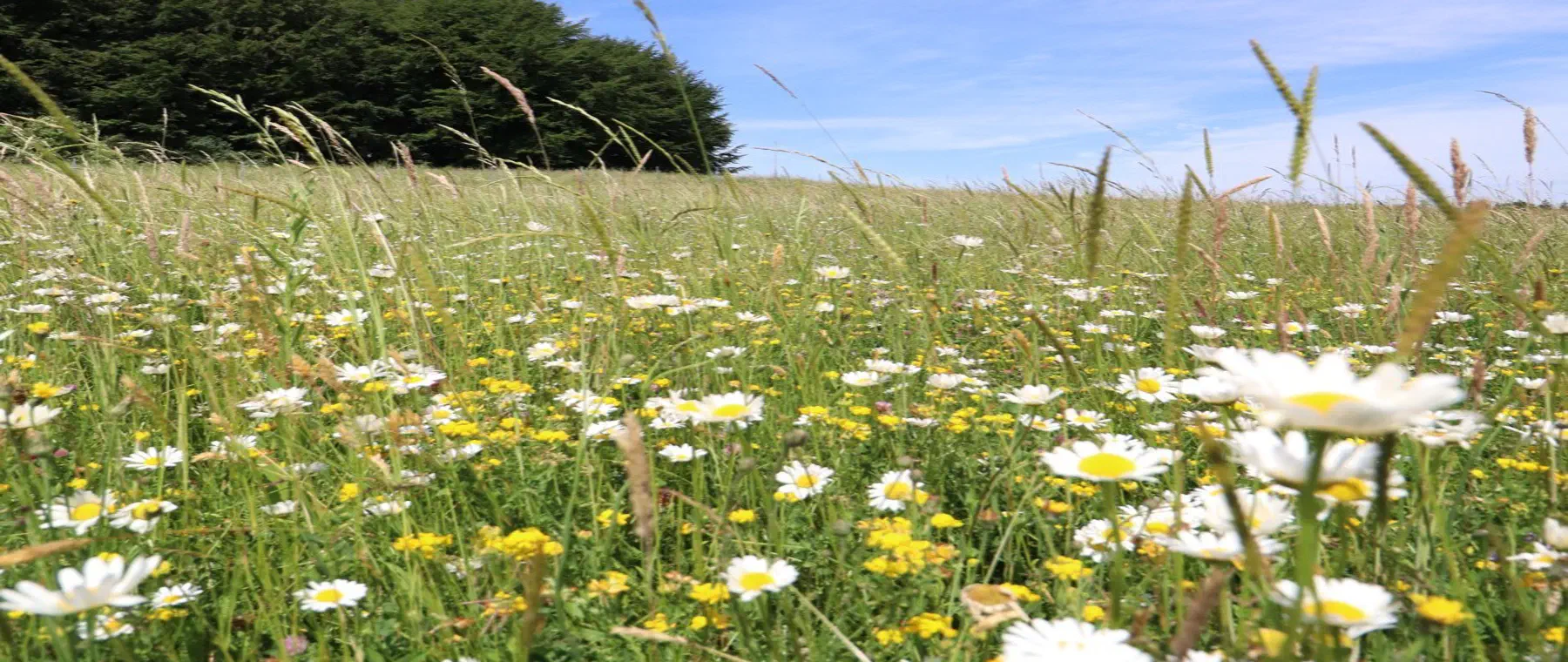
Eco-points and compensation areas
District of Starnberg
Immediately available eco-points from authority-recognised eco-accounts in the Five Lakes Land. greeNature solutions, your full-service partner for compensation according to BayKompV between Starnberger See and Ammersee.
The District of Starnberg at a glance
The district of Starnberg is located south-west of Munich in the Upper Bavarian Alpine foothills and forms the core of the Five Lakes Land. Between Starnberger See and Ammersee extends a richly structured lake and hilly landscape, which belongs to Bavaria's most well-known landscape regions.
Geologically, the district is shaped by the Würm ice age. The Würm glacier left extensive moraine ridges, drumlins and dead-ice basins, in which the large lakes and numerous small water bodies, moorlands and wet depressions have formed. To the north, the moraine landscape transitions to the Munich Shale Plain, to the south the view extends to the Alpine chain.
Ecologically significant are the large still waters and their banks. The FFH area Starnberger See (8133-371) is one of Germany's largest calcareous still waters with stonewort meadows and near-natural shale banks. The Ammersee banks and slope forests (FFH area 7932-372) and the Ampermoos combine silting zones, meadow plots, lowland and slope forests into a tightly interwoven habitat mosaic.
Economically, the district belongs to Germany's highest purchasing power regions. Settlement pressure from the Greater Munich area, expansion of residential and commercial areas, traffic infrastructure and freestanding photovoltaics generate continuous compensation requirements according to BayKompV. At the same time, lakes, moorlands and protected areas restrict available compensation areas, making proactive land securing particularly valuable.
🗺️ Associated natural regions
Go to natural region D66 ›
Go to natural region D65 ›
📍 Selected municipalities
🌿 Ecological features
- FFH area Starnberger See (8133-371), large calcareous still water with stonewort meadows
- FFH area Ammersee banks and slope forests (7932-372), silting zones and slope forests
- Ampermoos on the north shore of the Ammersee, significant lowland moorland and meadow-breeding bird area
- Würm-glacial moraine and drumlin landscape of the Five Lakes Land
- Small lakes such as Wörthsee, Weßlinger See and Pilsensee with near-natural bank areas
- Slope forests and meadow plots as small-scale interlocking habitats
✅ greeNature on the ground
The Five Lakes Land is an area with high use pressure and limited compensation areas. greeNature knows the Lower Nature Conservation Authority (Untere Naturschutzbehörde) at the District Office Starnberg, the nature conservation requirements for lakes and moorlands, as well as the land potentials in the pre-Alpine moraine landscape and secures compensation areas early.
Typical measures in the district of Starnberg
Meadow plot restoration
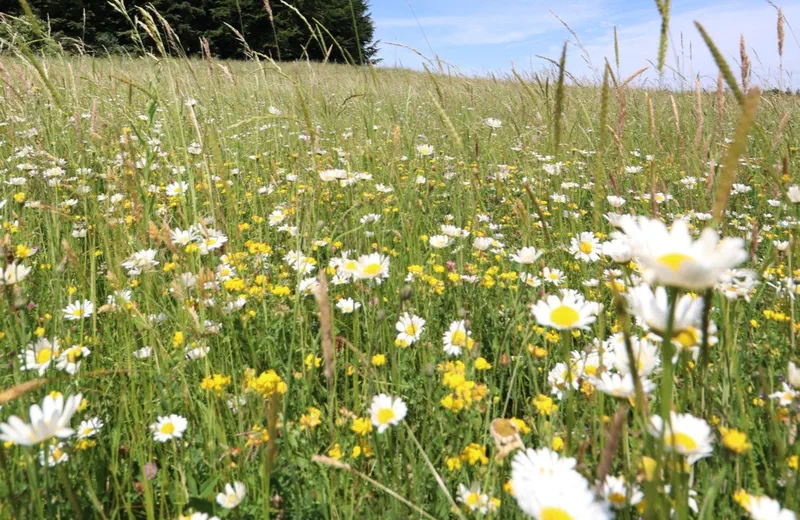
Restoration and extensive management of meadow plots and wet meadows in the Ampermoos and in silting zones, habitat for meadow-breeding birds, common blue butterfly and rare sedge fens.
Moorland and small water body protection
Rewetting of drained lowland and transitional moorland, creation of sunlit small water bodies for amphibians in the dead-ice basins of the moraine landscape.
Slope forest development
Near-natural conversion of slope forests on lake shores, promotion of site-appropriate deciduous mixed forests and old stands rich in dead wood as habitat for bats and hazel dormouse.
Grassland extensification
Conversion of intensively used meadows into species-rich extensively managed grassland on moraine slopes, networking of meadow plots and calcareous grasslands in the habitat network.
Species protection CEF/FCS
Sand lizard habitats on railway embankments and slopes, bat roosts in forest stands, kingfisher cliff banks on bank sections, tailored according to BayKompV.
Hedgerows and habitat network
Creation of hedge and margin structures in the cleared field landscape of the shale plain, stepping-stone habitats between lakes for brown hare, grey partridge and wild bees.
Protected species in the Five Lakes Land in the Alpine foothills
Waterfowl on the lakes
Starnberger See and Ammersee are significant resting and overwintering waters for pochard, tufted duck, mallard and goosander. Near-natural banks and silting zones are crucial for this.
Meadow-breeding birds in the Ampermoos
The meadow plots and wet meadows on the Ammersee are habitat for northern lapwing, snipe and curlew. Extensification and rewetting are typical measures in favour of these highly endangered species.
About this species ›Amphibians of the moraine landscape
Tree frog, yellow-bellied toad and great crested newt inhabit small water bodies and dead-ice basins in the Five Lakes Land. Newly constructed sunlit spawning waters are frequent CEF measures in the event of impacts.
About this species ›Bats in slope forests
Greater mouse-eared bat, Bechstein's bat and brown long-eared bat use the old slope forests on lake shores as hunting and roost space. Preservation of cavity trees and roost timber is central.
About this species ›Hazel dormouse in hedgerows and forest margins
The hazel dormouse lives in structured forest edges, hedgerows and slope forests of the district. It is a typical target species in woodland clearings and requires networking and CEF measures.
About this species ›Kingfisher on banks and streams
The kingfisher breeds in natural cliff banks on lake shores and tributaries. Cliff bank modelling and near-natural bank sections secure its breeding sites in water construction projects.
About this species ›Which projects trigger a compensation obligation?
Settlement and commercial development
Inflow from the Greater Munich area drives residential construction and commercial areas in Gilching, Gauting, Starnberg and Herrsching. New building areas regularly trigger compensation and replacement obligations according to BayKompV, for which early-secured land is crucial in the densely settled Five Lakes Land.
Infrastructure and traffic
Bypasses, expansion of the B2 and the S-Bahn Munich railway lines, as well as cycle paths and bridge projects affect slopes, forests and bank areas and create compensation requirements including species protection measures for sand lizard and hazel dormouse.
Energy and renewables
Freestanding photovoltaics on arable and grassland sites, as well as network expansion projects require nature conservation compensation. In the shale plain, compensation and habitat networking can often be usefully combined.
Research and special areas
The special airfield Oberpfaffenhofen and the adjacent research and commercial locations (Weßling, Gilching) lead to impacts with compensation and replacement land needs in the event of extensions.
From enquiry to monitoring
Contact and enquiry
Tell us your compensation requirement and the natural region. We check availability.
Offer and advice
A transparent offer covering measure types, scope and availability.
Coordination with authorities
Full coordination with the lower nature conservation authority. We handle everything.
Long-term monitoring
Permanent securing of the land, management and documentation across the contract term.
Eco-points in adjoining districts
All about eco-points
in the district of Starnberg
Request eco-points in the district of Starnberg
We will promptly prepare a transparent offer with matching eco-points held in stock in the district of Starnberg.