Eco-points and compensation areas
District of Fürth
Eco-points in Fürth district for projects in the Nuremberg conurbation. greeNature solutions accompanies your project as a full-service partner through compensation under BayKompV, from land search to secured implementation and management.
The District of Fürth at a glance
Fürth district is located in the west of the Nuremberg metropolitan region and surrounds most of the independent city of Fürth. Since 2003, the district seat has been the town of Zirndorf. With an area of approximately 307 km² and 14 municipalities, it is Bavaria's smallest district by area and at the same time one of the most densely populated. This proximity to the conurbation characterises both the economy and the handling of open space.
Landscape-wise, the district belongs to the Middle Franconian Basin, part of the Fränkisches Keuper-Liasland (natural region D59). The substrate is predominantly sandstone Keuper, into which the rivers Zenn, Bibert and Rednitz have cut wide valleys. On the sandy, nutrient-poor soils are extensive pine forests, in addition to sand grassland and inland dunes, for example at Hainberg near Oberasbach. These sand habitats are of particular significance for northern Bavaria.
Ecologically valuable are especially the river floodplains and open sand sites. The district has several Natura 2000 areas, including the FFH areas Zenn valley and the nature conservation area Hainberg (sand heaths in the Middle Franconian Basin), parts of the Bibert valley as well as the weir area near Zirndorf and urban forests. The grassland floodplains of Rednitz and Zenn are habitat for meadow-breeding birds, the sand areas harbour thermophilic species such as the sand lizard.
As part of the Nuremberg/Fürth economic region, the district is characterised by high land pressure. Well-known companies such as geobra Brandstätter (Playmobil) in Zirndorf, Faber-Castell in Stein and the brick factories around Langenzenn represent an industrially and commercially strong region. Settlement expansions, industrial areas and transport projects regularly trigger compensation and replacement obligations. Because suitable compensation land is scarce in the tight conurbation, eco-points from eco-accounts increasingly gain importance for developers.
🗺️ Associated natural regions
Go to natural region D59 ›
📍 Selected municipalities
🌿 Ecological features
- Bavaria's smallest district by area at approximately 307 km² and densely populated
- Part of the Nuremberg metropolitan region with high settlement and commercial pressure
- Sandstone Keuper landscape with sand grassland and inland dunes, for example at Hainberg
- Broad river valleys of Zenn, Bibert and Rednitz with valuable grassland floodplain
- Several Natura 2000 areas, including the FFH areas Zenn valley and NSG Hainberg
- District seat Zirndorf, location of geobra Brandstätter (Playmobil)
✅ greeNature on the ground
greeNature solutions knows the nature conservation requirements in the Nuremberg conurbation and coordinates measures early with the lower nature conservation authority of the District office Fürth so your project is legally sound and without delay.
Typical measures in the district of Fürth
Sand grassland and inland dune development
Keeping open and clearing sandy poor sites creates habitat for thermophilic species of sand heaths and upgrades the sand habitats typical for Middle Franconia.
Valley grassland extensification
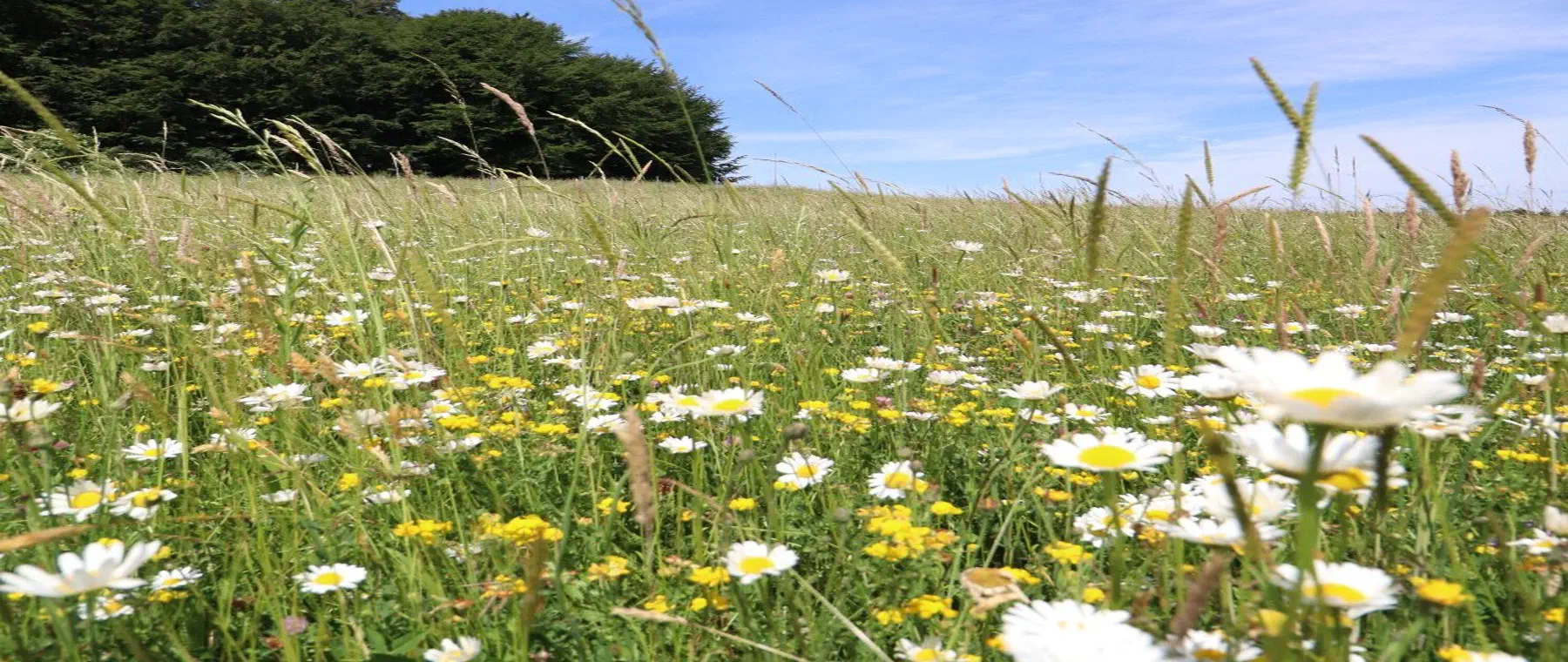
Extensive meadow use with adapted mowing times in the floodplains of Rednitz and Zenn promotes meadow-breeding birds and flower-rich wet meadows.
Small and still water creation
Establishment and restoration of ponds and weirs, for example in the vicinity of existing weir areas, creates spawning waters for amphibians and great crested newt.
Watercourse and riverbank restoration
Riparian buffer strips, shallow banks and steep banks on the Zenn, Bibert and Rednitz improve structure and connectivity and create breeding opportunities for the kingfisher.
Converting pine forests to a near-natural state
Converting structurally poor pine plantations into near-natural mixed woodland and retaining old and dead wood secure roosts for bats and the hazel dormouse.
Structuring and de-sealing farmland
Hedgerows, traditional orchards and field margin strips connect the cleared farmland, while de-sealing in settlement areas creates additional enhancement for ground-nesting farmland birds.
Protected species in the Rangau / Middle Franconian Basin
Sand lizard
Inhabits sandy grassland, railway embankments and woodland edges on warm, dry sandy sites and is strictly protected under § 44 BNatSchG, CEF measures are often required.
About this species ›Skylark
A characteristic species of open farmland that suffers from the region's land pressure and benefits from fallow arable land, skylark plots and extensively managed field margins.
About this species ›Kingfisher
Breeds on the steep banks of the Zenn, Bibert and Rednitz and depends on structurally rich, clean watercourses with an adequate supply of small fish.
About this species ›Bats
Several strictly protected species use the woodlands, watercourses and buildings as hunting grounds and roosts, old and dead wood as well as building roosts are essential.
About this species ›Amphibians
Ponds and still waters, such as in the pond areas near Zirndorf, are important spawning habitats, and connecting them secures migration corridors.
About this species ›Northern lapwing
A meadow-breeding bird of wet floodplain grassland, whose populations decline with grassland conversion and drainage and benefit from extensive management.
About this species ›Which projects trigger a compensation obligation?
Commercial and industrial land
Expansions and new developments in the Nuremberg/Fürth economic area seal land and trigger compensation and replacement obligations under the statutory impact mitigation regulation.
Housing development and settlement expansion
Continued demand in the conurbation leads to building areas whose impacts must be assessed and compensated.
Transport infrastructure
Expanding and building new roads, cycle paths and rail routes within the region's dense network often requires extensive compensation and species protection measures.
Ground-mounted photovoltaics
Solar parks on land previously used for agriculture require an ecological assessment and compensation for the impacts.
From enquiry to monitoring
Contact and enquiry
Tell us your compensation requirement and the natural region. We check availability.
Offer and advice
A transparent offer covering measure types, scope and availability.
Coordination with authorities
Full coordination with the lower nature conservation authority. We handle everything.
Long-term monitoring
Permanent securing of the land, management and documentation across the contract term.
Eco-points in adjoining districts
All about eco-points
in the district of Fürth
Request eco-points in the district of Fürth
We will promptly prepare a transparent offer with matching eco-points held in stock in the district of Fürth.