Eco-points and compensation areas
District of Fürstenfeldbruck
eco-points und Kompensationsflächen für Vorhaben im district Fürstenfeldbruck, fachlich geplant und BayKompV-konform. greeNature ist Ihr Full-Service-Partner von der Flächensuche bis zur langfristigen Unterhaltung.
The District of Fürstenfeldbruck at a glance
Der district Fürstenfeldbruck liegt im administrative region Oberbayern westlich der Landeshauptstadt München und gehört zum Verdichtungsraum der Metropolregion. Auf rund 434.82 km² leben etwa 218,600 Menschen in 23 Städten und municipalities. Mit rund 503 Einwohnern je km² ist er nach dem district München der am dichtesten besiedelte district Bayerns, district seat ist Fürstenfeldbruck.
Landschaftlich reicht der Kreis von der ebenen Münchner Schotterebene im Osten (BfN-Großregion D65) bis in das voralpine Hügel- und Moorland (D66) im Süden und Zentrum. Prägend sind die Jungmoränen der Würm-Eiszeit im Süden, das Fürstenfeldbrucker Altmoränenhügelland mit fruchtbaren Böden in der Mitte sowie sandig-lehmige Hügel mit Nadelwald im Norden. Die Flüsse Amper und Maisach durchziehen den district und bilden das ökologische Rückgrat.
Ökologisch bedeutsam sind das Ampermoos und das Ampertal als landesweit wertvolles Feuchtgebietssystem mit FFH- und bird protection site, das Haspelmoor als geschütztes Hochmoor sowie die calcareous grassland des ehemaligen Fliegerhorsts. Diese Gebiete beherbergen meadow-breeding birds wie den northern lapwing, streng geschützte Amphibien, bats und die sand lizard und stellen bei Eingriffen in der Umgebung besondere Anforderungen an den Arten- und Gebietsschutz.
Wirtschaftlich ist der Osten von mittelständischer Industrie und der Nähe zu München geprägt, während der Westen überwiegend landwirtschaftlich genutzt wird. Aus Wohnungsbau, Gewerbeansiedlung, Straßenausbau und Erneuerbaren-Projekten ergibt sich ein anhaltender compensation requirement. Die hohe Flächenkonkurrenz macht eine frühzeitige, fachlich fundierte Planung des Ausgleichs nach BayKompV besonders wichtig.
🗺️ Associated natural regions
Go to natural region D65 ›
Go to natural region D66 ›
📍 Selected municipalities
🌿 Ecological features
- Zweithöchste Bevölkerungsdichte aller bayerischen districts nach dem district München, mit entsprechend hohem Siedlungs- und Infrastrukturdruck.
- Der district liegt in zwei BfN-Großregionen: der Münchner Schotterebene (D65) im Osten und dem voralpinen Hügel- und Moorland (D66) im Süden und Zentrum.
- Ampermoos und Ampertal bilden ein landesweit bedeutsames Feuchtgebietssystem mit FFH- und bird protection site sowie Bezug zum Ramsar-Gebiet Ammersee.
- Das Haspelmoor im Nordwesten ist ein geschütztes Hochmoor und FFH site mit hoher Bedeutung für Moor- und Klimaschutz.
- Auf dem ehemaligen Fliegerhorst Fürstenfeldbruck haben sich wertvolle calcareous grassland und Heideflächen entwickelt, die als FFH site gesichert sind.
- Der district gehört zum Verdichtungsraum München und ist zugleich stark landwirtschaftlich geprägt, was Flächenkonkurrenz und compensation requirement erhöht.
✅ greeNature on the ground
greeNature kennt die naturschutzfachlichen Anforderungen im Verdichtungsraum westlich von München und die Abläufe bei der Unteren Naturschutzbehörde im Landratsamt Fürstenfeldbruck. Als Full-Service-Partner übernehmen wir Flächenbeschaffung, Maßnahmenplanung, behördliche Abstimmung, Umsetzung und langfristige Unterhaltung der compensation nach BayKompV.
Typical measures in the district of Fürstenfeldbruck
Moor-Wiedervernässung
Anhebung des Wasserstands in Nieder- und Hochmooren wie Haspelmoor und Ampertal. Die Maßnahme verbindet Klima- und Artenschutz und erzeugt hochwertige eco-points nach BayKompV.
Gewässerrenaturierung
Naturnahe Umgestaltung von Amper, Maisach und ihren Zuflüssen mit Uferrückbau, Auegehölzen und Anbindung von Altarmen. Das verbessert Durchgängigkeit und habitat für kingfisher und Fischfauna.
Grünlandextensivierung
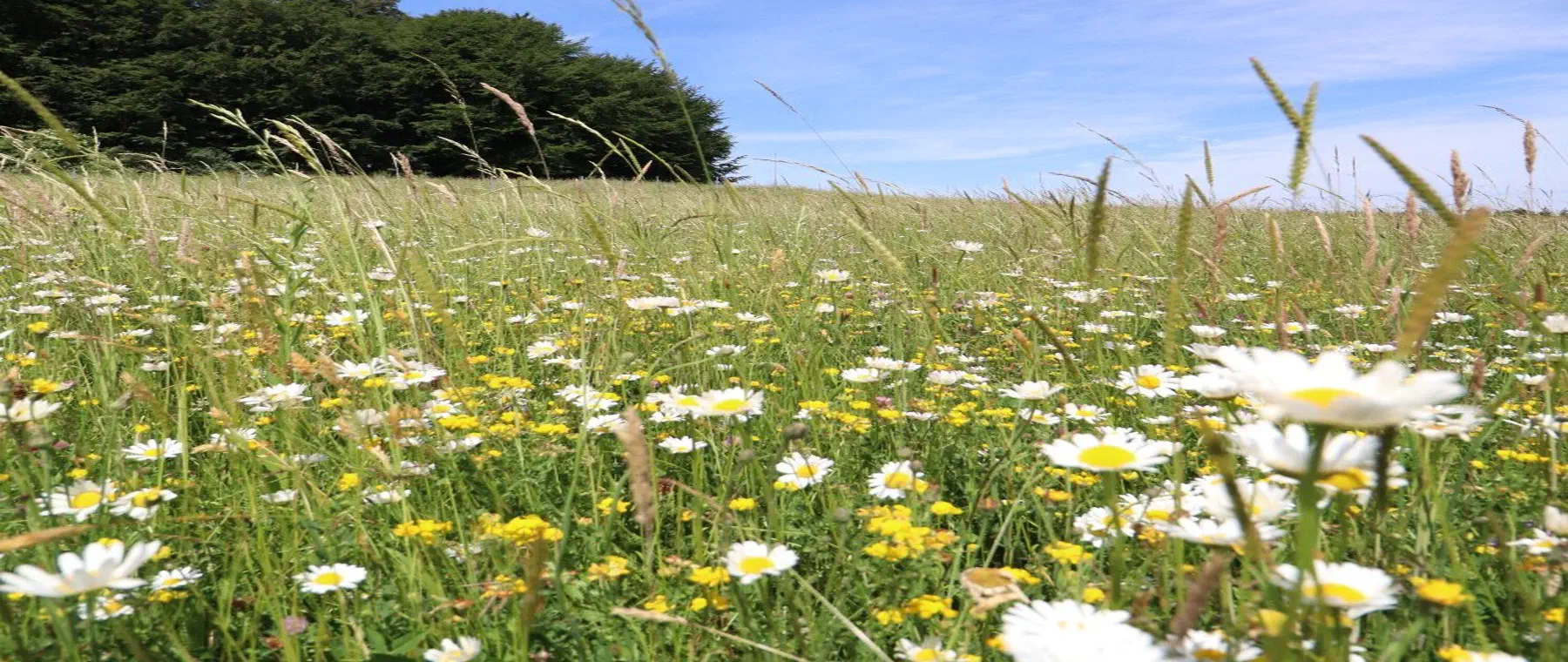
Umstellung intensiv genutzter Wiesen im Hügelland auf extensive Mahd ohne Düngung. Die Maßnahme fördert artenreiches Grünland und meadow-breeding birds und lässt sich gut als CEF-Maßnahme ausgestalten.
hedgerows und field copses
Neuanlage gebietsheimischer hedgerows, field copses und Säume in der ausgeräumten Agrarlandschaft des Westens. Sie vernetzen Biotope und schaffen Deckung für Niederwild und Vögel.
Artenschutz-substitute habitats
Anlage von Steinriegeln, Sandlinsen und calcareous grassland für die sand lizard sowie neuer spawning waters für Amphibien. Diese vorgezogenen Maßnahmen sichern die ökologische Funktion vor dem Eingriff.
Ackerrandstreifen und Lerchenfenster
Extensive Randstreifen, Blühflächen und Lerchenfenster in Ackerbaugebieten fördern skylark und field birds und dienen als gezielte CEF-Maßnahme nach § 44 BNatSchG.
Protected species in the Amper-Region westlich von München
skylark
Charakterart der offenen Agrarlandschaft im Westen des Landkreises. Bei Eingriffen in Ackerflächen sind Lerchenfenster und extensiv bewirtschaftete Ackerrandstreifen bewährte CEF-Maßnahmen nach § 44 BNatSchG.
About this species ›northern lapwing
Brütet auf feuchten Wiesen und Niedermoorflächen, unter anderem im Umfeld von Ampermoos und Ampertal. Wiedervernässung und extensive Grünlandnutzung sichern den Bruterfolg und lassen sich als vorgezogene compensation measure umsetzen.
About this species ›sand lizard
Besiedelt Bahndämme, Böschungen und die trockenwarmen calcareous grassland im Bereich des ehemaligen Fliegerhorsts. Vor Baubeginn sind meist Umsiedlung und die Anlage von Ersatzhabitaten mit Steinriegeln und Sandlinsen erforderlich.
About this species ›Amphibien (European tree frog, great crested newt)
In den Amperauen und Moorweihern kommen streng geschützte Amphibien vor. Neu angelegte spawning waters und vernetzte Landlebensräume sind typische CEF-Maßnahmen für Vorhaben in Gewässernähe.
About this species ›bats
Alte Baumbestände, floodplain forests und Gebäudequartiere beherbergen mehrere bat species nach Anhang IV der FFH Directive. Quartierverluste erfordern alternative roosts und den Erhalt von Leitstrukturen entlang von Amper und Maisach.
About this species ›kingfisher
Breeds at near-natural sections of the Amper and Maisach. Restoration of watercourses, steep banks and the preservation of wooded banks combine aquatic ecology with species protection.
About this species ›Which projects trigger a compensation obligation?
Road expansion
Projects such as the expansion of the heavily used Federal Road 471 between Fürstenfeldbruck and the motorway junction generate substantial compensation requirements for land sealing and fragmentation.
Commercial and industrial land
The medium-sized industry in the east of the district and new commercial areas in the vicinity of Munich regularly trigger impacts on soil and open land.
Residential and settlement development
The high population influx in the concentrated area around Munich leads to extensive residential construction, whose compensation must be secured via development plans and eco-accounts.
Freestanding photovoltaics
Solar parks on conversion and open land, for example on parts of the former airfield, require nature conservation assessment and area-related compensation.
From enquiry to monitoring
Contact and enquiry
Tell us your compensation requirement and the natural region. We check availability.
Offer and advice
A transparent offer covering measure types, scope and availability.
Coordination with authorities
Full coordination with the lower nature conservation authority. We handle everything.
Long-term monitoring
Permanent securing of the land, management and documentation across the contract term.
Eco-points in adjoining districts
All about eco-points
in the district of Fürstenfeldbruck
Request eco-points in the district of Fürstenfeldbruck
We will promptly prepare a transparent offer with matching eco-points held in stock in the district of Fürstenfeldbruck.