Eco-points and compensation areas
District of Augsburg
Eco-points immediately available from officially recognised eco-accounts for projects in the Augsburg district. greeNature solutions is your full-service partner for compensation under the BayKompV between the Lechfeld, the Stauden and the Westliche Wälder.
The District of Augsburg at a glance
The Augsburg district encloses the independent city of Augsburg in the Bavarian Schwaben administrative region and extends from the Donauried in the north to the edge of the Alpine foothills in the south. With around 263,000 inhabitants, it is the most populous district in Schwaben and one of the most populous in Bavaria. The administrative seat is the independent city of Augsburg, where the Landratsamt and the lower nature conservation authority are also based.
In natural-region terms, the district belongs to the Donau-Iller-Lech-Platten (D64). It is characterised by the glacial gravel plains of the Lech-Wertach plain, the flat Lechfeld in the east and the Tertiary Molasse hills of the Westliche Wälder (Stauden and Reischenau) in the west. Between them, the valleys of the Lech, Wertach, Schmutter and Zusam divide the landscape into a mosaic of floodplains, ridges and wooded high plateaus.
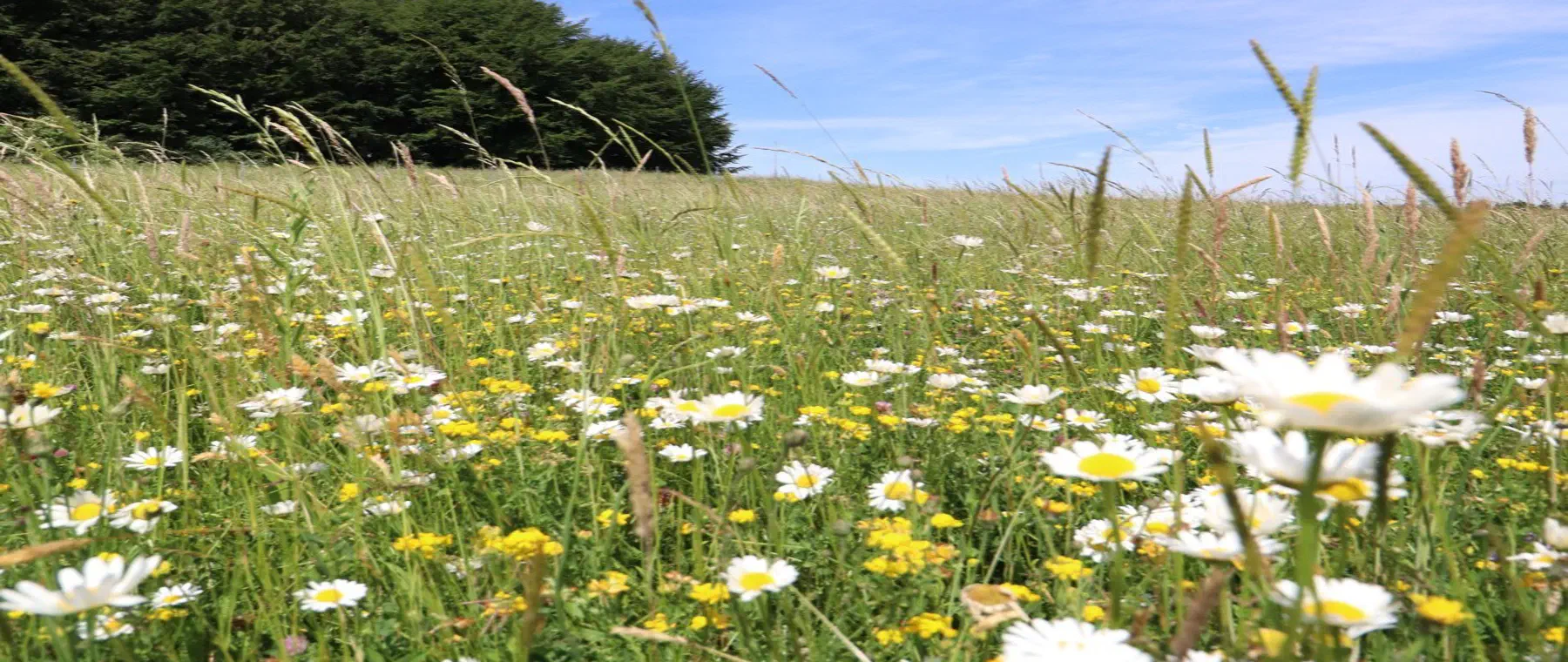
Ecologically significant is the Augsburg Westliche Wälder Nature Park, one of Bavaria's largest nature parks, with its small-scale mosaic of woodland, meadow and cultural landscape. Along the Lech lie the Europe-wide rare Lechheiden (warmth-loving calcareous grassland) and near-natural remnants of riparian woodland. Seven FFH sites and one bird protection area (SPA) are designated as Natura 2000 sites in the district, including the Lechtal, the Schmuttertal with its wet meadows, and the Donauried.
Economically, the north of the district in particular is strongly shaped by industry: the chemical and industrial site at Gersthofen, the Lech-Stahlwerke in Meitingen (Bavaria's only steelworks) and the large logistics sites on the Lechfeld near Graben and Kleinaitingen. Together with the ongoing population growth in the Augsburg hinterland, gravel extraction in the Lech valley and the expansion of renewable energy, this creates a high and continuous need for compensation under the BayKompV.
🗺️ Associated natural regions
Go to natural region D64 ›
📍 Selected municipalities
🌿 Ecological features
- Augsburg Westliche Wälder Nature Park, one of Bavaria's largest nature parks
- Lech floodplains and FFH sites along the Lech, with near-natural remnants of riparian woodland
- Lechheiden, Europe-wide rare warmth-loving calcareous grassland on the gravel plain
- Schmuttertal, an FFH site with species-rich wet and litter meadows
- Stauden and Reischenau, a small-scale mosaic of woodland, meadow and cultural landscape on the Molasse hills
- Donauried in the north, part of the Donau floodplain landscape
- Seven FFH sites and one bird protection area (SPA) in the Natura 2000 network
✅ greeNature on the ground
greeNature knows the compensation area between the Lech, Wertach and the Westliche Wälder from practical experience. We are familiar with the lower nature conservation authority of the Landratsamt Augsburg, the regional land pools and the nature-conservation particularities of the Lechheiden and floodplain habitats, and we support projects from the initial assessment through to the secured recognition of the measures.
Typical measures in the district of Augsburg
Lechheiden and calcareous grassland
Managing and newly developing warmth-loving calcareous grassland on the gravel plains of the Lechfeld. Scrub clearance, mowing and grazing concepts, and connection to existing heathland, secure habitats for rare insects and reptiles.
Lech floodplain restoration
Revitalising oxbows, bank structures and riparian woodland stands along the Lech. Reconnected side channels create spawning and breeding habitats and strengthen the habitat network in the Lech valley.
Wet meadows in the Schmutter and Zusam valleys
Extensifying and rewetting valley meadows for the benefit of meadow-breeding birds and moisture-dependent plant communities. Adapted mowing regimes preserve species-rich litter and wet meadows.
Traditional orchards and hedgerows in the Stauden
Establishing traditional orchards, hedgerows and field copses in the cultural landscape of the Westliche Wälder. Stepping-stone habitats link woodland and open land and support structure-dependent species.
Forest conversion and new afforestation
Converting conifer plantations to site-appropriate mixed broadleaf woodland and new afforestation on marginal sites in the Westliche Wälder, with enrichment of structure and deadwood for species dependent on old growth and deadwood.
Species protection: CEF and FCS
Tailored measures under the BayKompV, such as sand lizard habitats in gravel pits and on railway embankments, bat roosts, breeding aids for the northern lapwing on the Lechfeld, and amphibian waters in the Stauden.
Protected species in the Lechfeld and Augsburger Westliche Wälder
Sand lizard
The sand lizard colonises the warm, dry Lechheiden, railway embankments and gravel extraction sites. In infrastructure and commercial projects, it is one of the most common target species for CEF measures under § 44 BNatSchG.
About this species ›Northern lapwing
The northern lapwing breeds on the open agricultural land of the Lechfeld, in the Donauried and in valley meadows. Rewetting, grassland extensification and breeding aids secure its populations where land is taken.
About this species ›Kingfisher
On the Lech, Wertach and Schmutter, the kingfisher finds near-natural steep banks and clear flowing water. Bank collapses and watercourse restoration are effective compensation measures for the species.
About this species ›Bats
The woodlands, roost trees and historic buildings of the Westliche Wälder are home to several bat species. Securing roosts and managing foraging habitat are typical FCS measures in the district.
About this species ›Amphibians
The yellow-bellied toad, tree frog and great crested newt use small water bodies, gravel pits and woodland pools in the Stauden. Creating sun-exposed spawning waters is a proven compensation measure.
About this species ›Skylark
The skylark breeds in the open agricultural landscape of the Lechfeld and the gravel plains. Skylark plots and extensively managed field margin strips are common compensation measures in building and transport projects.
About this species ›Which projects trigger a compensation obligation?
Industry and commerce
The chemical and industrial site at Gersthofen, the Lech-Stahlwerke in Meitingen and the logistics sites on the Lechfeld (Graben, Kleinaitingen) regularly generate substantial compensation requirements under the BayKompV whenever they expand or new facilities are established.
Infrastructure and transport
The expansion of federal and state roads (such as the B17 and B2), bypasses and the expansion of railway lines in the Augsburg built-up area trigger compensation and replacement obligations under nature conservation law.
Settlement development
Strong population growth in the Augsburg hinterland is leading to new residential and commercial areas in Königsbrunn, Gersthofen, Neusäß and the surrounding municipalities, which require compensation areas.
Energy and raw materials
Ground-mounted photovoltaic installations on the Lechfeld and gravel extraction in the Lech and Wertach valleys require compensation and CEF measures under species protection law.
From enquiry to monitoring
Contact and enquiry
Tell us your compensation requirement and the natural region. We check availability.
Offer and advice
A transparent offer covering measure types, scope and availability.
Coordination with authorities
Full coordination with the lower nature conservation authority. We handle everything.
Long-term monitoring
Permanent securing of the land, management and documentation across the contract term.
Eco-points in adjoining districts
All about eco-points
in the district of Augsburg
Request eco-points in the district of Augsburg
We will promptly prepare a transparent offer with matching eco-points held in stock in the district of Augsburg.