Eco-points and compensation areas
City of Ulm
Eco-points immediately available from officially recognised eco-accounts in Baden-Württemberg. greeNature solutions supports compensation under the Ökokonto-Verordnung (ÖKVO) in the Ulm Danube valley, operating nationwide and rooted regionally.
The City of Ulm at a glance
Ulm is an independent city (Stadtkreis) in the Tübingen administrative region and lies at the confluence of the Iller and the Danube, south of the Swabian Jura in the Danube valley. The Blau also flows into the Danube within the city area, giving the city its characteristic network of watercourses.
In natural-region terms, the city area belongs mostly to the Donau-Iller-Lech-Platten (D64). The northern neighbourhoods of Eselsberg, Lehr and Jungingen reach the escarpment of the Swabian Jura (D60). This location produces a mix of floodplain landscapes, gravel terraces and Jura slopes.
Ecologically defining are the floodplains of the Danube, Iller and Blau, with the FFH site Donau zwischen Munderkingen und Ulm und nördliche Iller, plus the Gronne and Lichternsee nature reserves. Floodplain woodland, near-natural watercourse stretches and wet meadows form the core of the protection-worthy habitats.
Economically, Ulm is a science city, with a university, colleges and research institutes, as well as the large industrial area in the Danube valley. Urban development, housing and transport projects regularly trigger compensation and replacement obligations, assessed in eco-points under the ÖKVO.
🗺️ Associated natural regions
Go to natural region D60 ›
Go to natural region D64 ›
📍 City districts
🌿 Ecological features
- FFH site Donau zwischen Munderkingen und Ulm und nördliche Iller, with floodplain woodland and flowing aquatic vegetation
- Gronne nature reserve (around 45 ha) in the Danube floodplain
- Lichternsee nature reserve (around 92 ha), designated in 2014
- Floodplain landscapes on the Danube, Iller and Blau with softwood and hardwood floodplain forest
- Escarpment of the Swabian Jura in the north of the city area (Eselsberg, Lehr, Jungingen)
- Wet meadows at the transition to the Donauried, habitat for meadow-breeding birds
✅ greeNature on the ground
greeNature solutions operates nationwide and works consistently in Baden-Württemberg under the Ökokonto-Verordnung (ÖKVO). For projects in Ulm, we handle requirement assessment, natural-region assignment, land provision and full liaison with the City's Environment Office as lower nature conservation authority.
Typical measures in the city of Ulm
Watercourse restoration
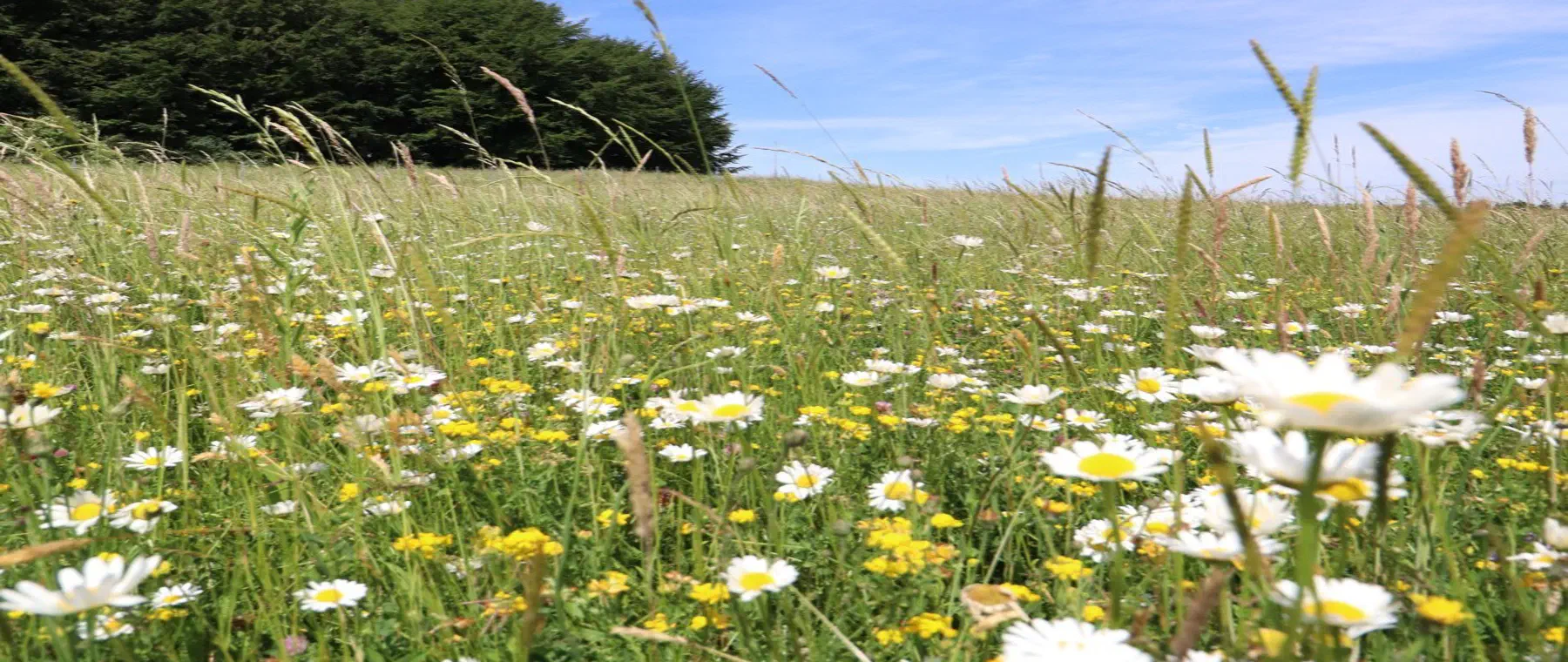
Restoring the Blau, Iller and former Danube channels, restoring continuous watercourses and structurally rich banks for fish, kingfisher and aquatic insects.
Floodplain woodland development
Developing site-appropriate softwood and hardwood floodplain forest with alder, ash and willow along the Danube and Iller floodplains, enhancing FFH habitat types.
Desealing and grassland
Removal of sealed surfaces within the city and enhancing grassland in the surrounding area into species-rich meadows, a central element of urban compensation under the ÖKVO.
Traditional orchards on the Alb escarpment
Creating and managing traditional orchards on the slopes of Eselsberg, Lehr and Jungingen, habitat for little owl, wryneck and wild bees.
Species protection CEF/FCS
Sand lizard habitats on rail and commercial land, bat roosts and amphibian waters, advance compensation measures under § 44 BNatSchG.
Hedgerows and habitat network
Connecting open land and floodplains through hedgerows and margins, stepping-stone habitats between the Danube valley and the Alb escarpment.
Protected species in the Danube valley at the mouths of the Iller and Blau
Kingfisher
The near-natural banks of the Blau, Iller and Danube provide breeding opportunities. CEF measures such as steep faces and structurally rich bank sections secure populations.
About this species ›Beaver
The beaver has become resident again on the Danube, Iller and Blau. Restored watercourse sections and floodplain waters create habitat and reduce use conflicts.
Bats
Common pipistrelle, greater mouse-eared bat and other species forage along the floodplains and in inner-city green spaces. Roosts are found on buildings and in old trees.
About this species ›Amphibians
Yellow-bellied toad, common toad and common frog use floodplain waters and temporary small water bodies. Creating new spawning waters is a typical compensation measure.
About this species ›Sand lizard
Railway banks, disused commercial land and warm, dry embankments are core habitats. For building and transport projects, relocation and replacement habitats are frequent CEF requirements.
About this species ›Northern lapwing
The northern lapwing breeds in the wet meadows at the transition to the Donauried. Extensification and rewetting of grassland support populations.
About this species ›Which projects trigger a compensation obligation?
Eselsberg science city
The university, colleges, clinics and research institutions on the Oberer Eselsberg continue to grow. Densification, new institutes and accompanying housing generate compensation requirements under the ÖKVO.
Danube valley industrial area
The extensive industrial and commercial area in the south of Ulm regularly involves extensions, new businesses and development with compensation and replacement obligations.
Transport and rail
Tram expansion, junctions at the station, and the new Wendlingen-Ulm rail line in the wider area trigger compensation under nature conservation law and species protection assessments.
Housing and inner-city development
New residential quarters and infill development in the neighbourhoods require impact and compensation assessments under §§ 13 to 15 BNatSchG, implemented through eco-points.
From enquiry to monitoring
Contact and enquiry
Tell us your compensation requirement and the natural region. We check availability.
Offer and advice
A transparent offer covering measure types, scope and availability.
Coordination with authorities
Full coordination with the lower nature conservation authority. We handle everything.
Long-term monitoring
Permanent securing of the land, management and documentation across the contract term.
Eco-points in adjoining districts
All about eco-points
in the city of Ulm
Request eco-points in the city of Ulm
We will promptly prepare a transparent offer with matching eco-points held in stock in the city of Ulm.