Eco-points and compensation areas
District of Main-Tauber-Kreis
Eco-points immediately available from officially recognised eco-accounts for impacts in the Main-Tauber district. greeNature supports your compensation under the Eco-Account Ordinance (ÖKVO) as a nationwide full-service partner, from needs analysis through land allocation to recognition by the lower nature conservation authority (Untere Naturschutzbehörde).
The District of Main-Tauber-Kreis at a glance
The Main-Tauber district is the northernmost district in Baden-Württemberg and belongs to the Stuttgart administrative region and the Heilbronn-Franken region. The district seat is Tauberbischofsheim, with the larger towns of Bad Mergentheim and Wertheim. Around 133,000 people live across some 1,304 km² in 18 towns and municipalities. The district has the lowest population density of any district in Baden-Württemberg.
The district takes its name from its two rivers. The Tauber runs the length of the district and joins the Main at Wertheim. The landscape is shaped by shell limestone in the Tauberland, which covers most of the district and belongs naturally to the Neckar- und Tauber-Gäuplatten (natural region D57). The sandstone-dominated north around Wertheim and Freudenberg, with the foothills of the Odenwald and Spessart, belongs to natural region D55 (Odenwald, Spessart und Südrhön), while the landscape of the Bauland extends in from the west.
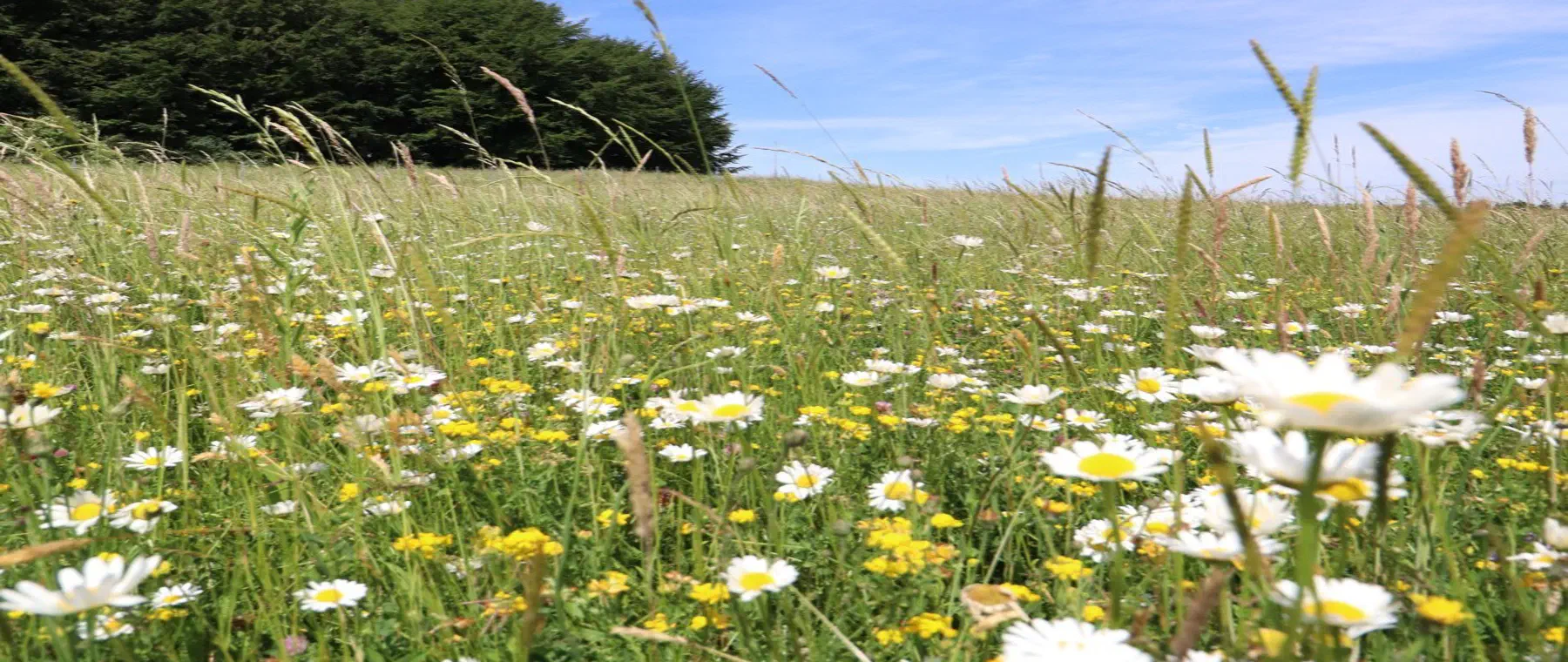
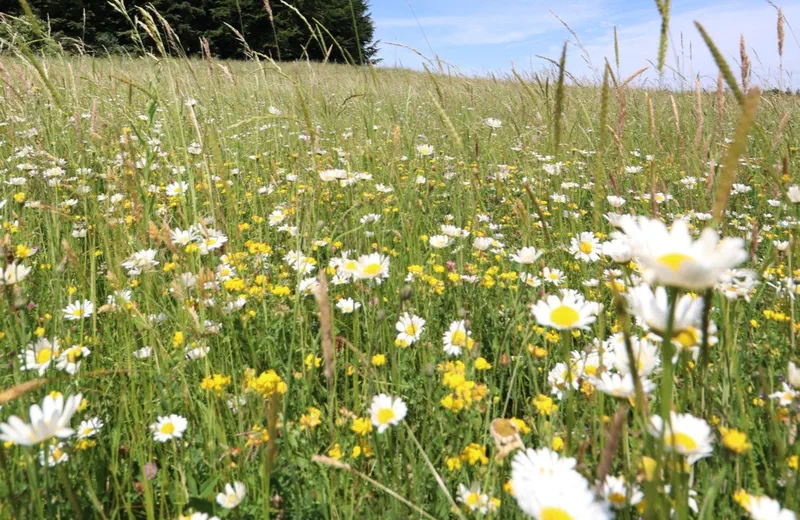
The ecologically defining features are the shell-limestone dry slopes with species-rich calcareous grassland, juniper heath, dry-stone walls and stone ridges, along with the climatically favoured vineyard sites in the Tauber valley. The district has land within eleven FFH sites of the Natura 2000 network, including Nordöstliches Tauberland and Unteres Taubertal, as well as two SPAs (Heiden und Wälder Tauberland, Wiesenweihe Taubergrund). In addition, there are 36 nature reserves and the extensive sandstone woodlands of the northern district.
Economically, the district is shaped by mechanical engineering, timber processing and the glass industry, along with viticulture in the Tauber valley and health tourism around the spa town of Bad Mergentheim. Residential, commercial, transport and wind energy projects regularly cause impacts, whose compensation in Baden-Württemberg is assessed in eco-points under the Eco-Account Ordinance and delivered under §§ 13 to 15 BNatSchG.
🗺️ Associated natural regions
Go to natural region D57 ›
Go to natural region D55 ›
Go to natural region D56 ›
📍 Selected municipalities
🌿 Ecological features
- Land within eleven FFH sites of the Natura 2000 network, including Nordöstliches Tauberland and Unteres Taubertal
- Heiden und Wälder Tauberland and Wiesenweihe Taubergrund SPAs
- Shell-limestone dry slopes with species-rich calcareous grassland, juniper heath and dry-stone walls
- 36 nature reserves covering around 1,030 hectares of the district
- Vineyard landscape of the Tauber valley with red sandstone dry-stone walls in the north
- The Tauber as a defining habitat-network corridor, joining the Main at Wertheim
- Sandstone woodlands of the Odenwald and Spessart in the north as a refuge for the European wildcat
✅ greeNature on the ground
greeNature operates nationwide and works consistently with the assessment system of the Eco-Account Ordinance (ÖKVO) in Baden-Württemberg. We coordinate measures with the lower nature conservation authority (Untere Naturschutzbehörde) of the Main-Tauber district, know the natural-region differences between the shell-limestone Tauberland and the sandstone areas of the Odenwald and Spessart fringe, and allocate eco-points from recognised eco-accounts precisely to the relevant impact. From needs analysis through land allocation to creation, management and monitoring, we handle the entire compensation process.
Typical measures in the district of Main-Tauber-Kreis
Calcareous grassland and juniper heath
Restoration and management of the shell-limestone dry slopes in the Tauberland through extensive sheep grazing and scrub clearance, habitat for heat-loving insects, orchids, sand lizard and rare plant species.
Dry-stone walls and stone ridges
Repair and new construction of dry-stone walls, vineyard walls and stone ridges in the terraced landscape of the Tauber valley, stepping-stone habitats for reptiles, wild bees and heat-loving species between nutrient-poor sites.
Traditional orchards
Establishment and reactivation of standard-tree orchards on valley and village edges, habitat for cavity-nesting birds, bats and wild bees, secured through extensive mowing and replanting.
Watercourse restoration on the Tauber and Main
Removal of bank engineering, creation of riparian buffer strips and reconnection of floodplain areas along the Tauber, Main and their tributaries, improving connectivity and creating habitats for kingfisher, beaver and fish.
CEF and FCS species protection
Advance compensation measures (CEF) and measures to maintain favourable conservation status (FCS) under § 44 BNatSchG, for example replacement habitats for sand lizard, bat roosts and spawning waters for yellow-bellied toad.
Near-natural forest conversion and woodland edges
Development of structurally diverse, deadwood-rich mixed deciduous woodland and graduated woodland edges in the sandstone woodlands of the Odenwald and Spessart fringe, promoting veteran and cavity trees as roosts for bats, woodpeckers and the wildcat.
Protected species in the Tauberland and the sandstone Odenwald in the Franconian-influenced north of Baden-Württemberg
Sand lizard on dry sites
Calcareous grassland, dry-stone walls, fallow vineyards and railway embankments in the Tauber valley are core habitats for the sand lizard. For impacts, advance relocation and the creation of replacement habitats with stone ridges and deadwood are common practice.
About this species ›Wildcat in the sandstone woodlands
The continuous deciduous woodlands of the Odenwald and Spessart in the north of the district are among the refuges of the European wildcat. Low-disturbance, deadwood-rich woodland and connected woody structures support this strictly protected species.
About this species ›Bats in woodland and orchards
Old deciduous woodland, orchards and buildings across the district serve several bat species as roosts and foraging habitat. Retaining cavity trees and providing roost aids secure breeding sites and resting places protected under § 44 BNatSchG.
About this species ›Skylark of the open Gäu landscape
The open arable land of the Tauberland and the Bauland is habitat for the skylark and other farmland birds, including the Montagu's harrier breeding in the Taubergrund. Skylark plots, flower strips and extensively managed field margins are among the suitable enhancement measures.
About this species ›Yellow-bellied toad and amphibians
Quarries and extraction sites in the shell limestone, together with floodplains along the Tauber and Main, are home to pioneer species such as the yellow-bellied toad and the great crested newt. Temporary small water bodies and fish-free spawning waters are key elements of compensation planning.
About this species ›Kingfisher on the Tauber and Main
Near-natural stretches of bank along the Tauber and Main offer the kingfisher nesting sites in steep faces. Restoration with bank erosion features and structurally rich riverbanks creates new habitats for this strictly protected species.
About this species ›Which projects trigger a compensation obligation?
Transport and infrastructure
The expansion of federal and state roads in the Tauber and Main valleys, bypasses and works on the railway line generate compensation and replacement obligations under §§ 13 to 15 BNatSchG. greeNature develops natural-region-appropriate eco-account measures for this.
Wind energy and ground-mounted photovoltaics
Wind energy projects on the heights of the Tauberland and ground-mounted photovoltaic installations on arable sites require nature conservation compensation as well as species protection assessments under § 44 BNatSchG, particularly FCS measures for species sensitive to wind turbines such as bats and birds of prey.
Residential and commercial development
Residential and commercial areas in Bad Mergentheim, Wertheim, Tauberbischofsheim and the surrounding municipalities lead to land sealing. Landowners can contribute suitable land as compensation areas, and greeNature handles planning, implementation and monitoring.
Industry and raw material extraction
Mechanical engineering, timber processing and the glass industry in Wertheim, along with shell-limestone extraction, regularly expand their sites. Such projects generate a compensation requirement to be met in eco-points under the ÖKVO.
From enquiry to monitoring
Contact and enquiry
Tell us your compensation requirement and the natural region. We check availability.
Offer and advice
A transparent offer covering measure types, scope and availability.
Coordination with authorities
Full coordination with the lower nature conservation authority. We handle everything.
Long-term monitoring
Permanent securing of the land, management and documentation across the contract term.
Eco-points in adjoining districts
All about eco-points
in the district of Main-Tauber-Kreis
Request eco-points in the district of Main-Tauber-Kreis
We will promptly prepare a transparent offer with matching eco-points held in stock in the district of Main-Tauber-Kreis.