Eco-points and compensation areas
City of Karlsruhe
Eco-points immediately available from officially recognised eco-accounts. greeNature is your full-service partner for compensation under the Ökokonto-Verordnung (ÖKVO) in the Stadtkreis Karlsruhe, from the Rhine floodplain across the Hardtwald to the Kraichgau edge. We support project developers from assessment through to recognition by the lower nature conservation authority.
The City of Karlsruhe at a glance
Karlsruhe is an independent city (Stadtkreis) in the north-west of Baden-Württemberg and the seat of the Karlsruhe administrative region. Across around 173 square kilometres, some 308,000 people live in 27 neighbourhoods. As an independent city, Karlsruhe itself performs the duties of the lower nature conservation authority, handled by the Amt für Umwelt- und Arbeitsschutz. Laid out as a baroque fan-shaped city, the former residence is the seat of the Federal Constitutional Court and the Federal Court of Justice, as well as a significant science and technology hub with the Karlsruhe Institute of Technology (KIT). To the north and east, the city borders the Karlsruhe district, to the south the Rastatt district, and to the west the Rhine forms the border with the Germersheim district in Rhineland-Palatinate.
In landscape terms, the city area is divided into three zones. By far the largest part lies in the northern Upper Rhine plain, with the Hardt plains and the Hardtwald on sand and inland dunes (BfN natural region D53, Oberrheinisches Tiefland). To the north-east, around Durlach and Grötzingen, the loess-covered hills of the Kraichgau reach in, which in natural-region terms belong to the Neckar- und Tauber-Gäuplatten (D57). To the south-east, near Grünwettersbach, Palmbach and Hohenwettersbach, the wooded fringe heights of the northern Black Forest (D54) rise up. Defining is the Kinzig-Murg-Rinne, an old river system with damp hollows and ditches. The area drains via the Rhine as well as the Alb and Pfinz.
Ecologically significant are the large woodland areas and the Rhine floodplains. The Hardtwald is protected as the FFH site Hardtwald zwischen Graben und Karlsruhe (6916-342) and as the Hardtwald nördlich von Karlsruhe bird sanctuary, with old oak stands, standing waters and open sandy areas. To the west lie the Rhine floodplains with former Rhine branches, including the Altrhein Maxau nature reserve, which serve as retention and habitat areas. There are also alder carr woodland and small water bodies of the Kinzig-Murg-Rinne, plus several landscape protection areas, for example around the Oberwald in the south of the city.
Karlsruhe is the core of a densely developed conurbation on the Upper Rhine, with a Rhine port, refinery site, technology park and universities. Housing and infill development, conversion sites, commercial and logistics locations, the expansion of the light rail and road network (A5, A8, B10, B36), and flood protection and the second Rhine bridge continually create impacts on nature and landscape. For the resulting compensation and replacement requirement under §§ 13 to 15 BNatSchG, the Ökokonto-Verordnung (ÖKVO) is decisive in Baden-Württemberg, assessing enhancements in eco-points.
🗺️ Associated natural regions
Go to natural region D53 ›
Go to natural region D57 ›
📍 City districts
🌿 Ecological features
- Hardtwald, one of the region's largest connected woodland areas on sand and inland dunes, FFH site Hardtwald zwischen Graben und Karlsruhe (6916-342)
- Hardtwald nördlich von Karlsruhe bird sanctuary, a significant breeding area shaped by old oak stands
- Rhine floodplains in the west with former Rhine branches and the Altrhein Maxau nature reserve as retention and habitat area
- Kinzig-Murg-Rinne with damp hollows, ditches, alder carr woodland and small water bodies within the city area
- Natural-region transition from the Upper Rhine plain (D53) across the Kraichgau edge around Durlach and Grötzingen (D57) to the Black Forest fringe heights near Grünwettersbach (D54)
- Several nature and landscape protection areas within the city, including the Oberwald in the south
✅ greeNature on the ground
greeNature operates nationwide and works consistently in Baden-Württemberg with the assessment system of the Ökokonto-Verordnung (ÖKVO). In the Stadtkreis Karlsruhe, we coordinate measures with the Amt für Umwelt- und Arbeitsschutz as lower nature conservation authority, know the differences between the Rhine floodplain, the Hardtwald and the Kraichgau edge, and assign eco-points from recognised eco-accounts precisely to the relevant impact. Particularly in the densely built-up urban area, desealing, watercourse restoration and the enhancement of near-urban land are effective approaches. From assessment through to monitoring, we handle the whole compensation process.
Typical measures in the city of Karlsruhe
Watercourse restoration
Revitalising the Alb, Pfinz and former Rhine branches with bank flattening, deadwood and reconnection of former channels. This improves connectivity and creates habitats for kingfisher, amphibians and fish in the urban and floodplain area.
Desealing and land recycling
Removal of sealed surfaces within the city and surrounding area, restoring root-penetrable soils and near-natural vegetation. The enhancement of soil and water balance can be assessed in eco-points.
Grassland and meadow enhancement
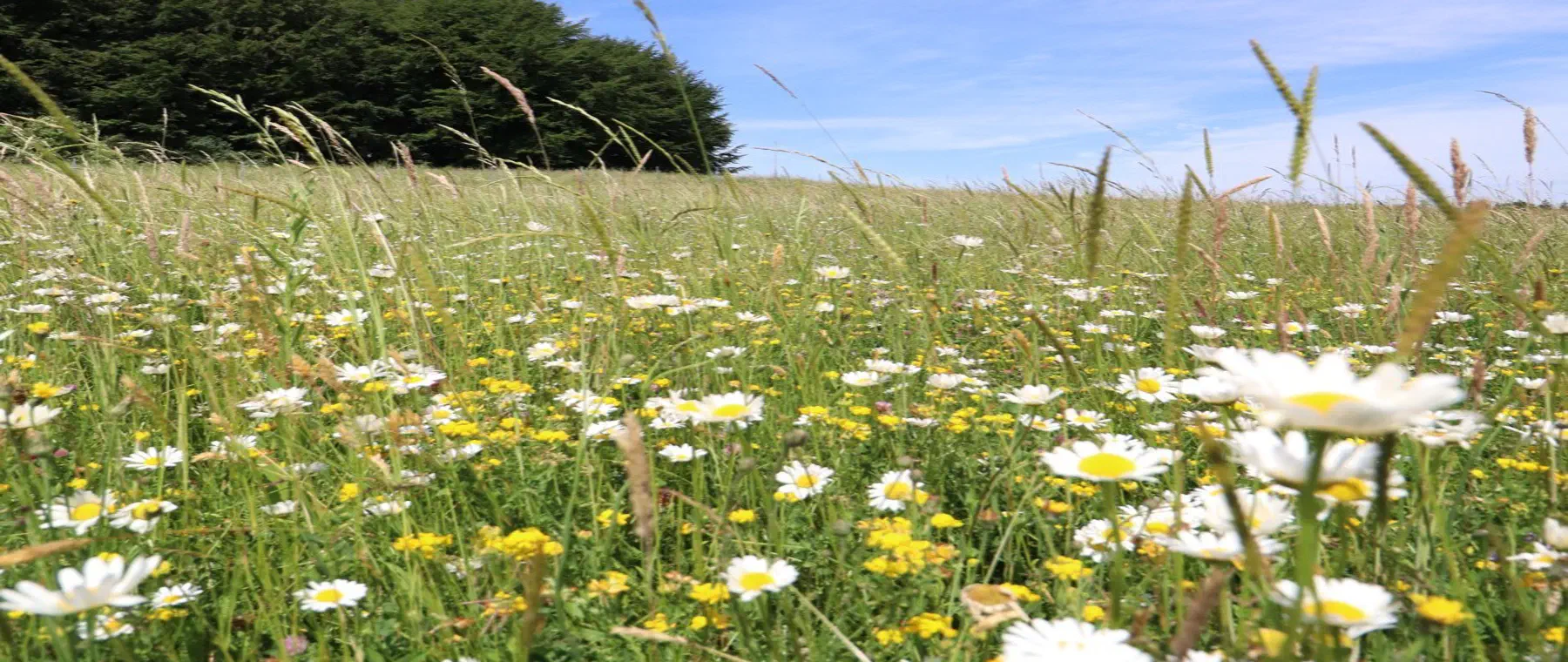
Extensifying and enhancing grassland in the near-urban surrounding area and in the damp hollows of the Kinzig-Murg-Rinne, with adapted mowing dates to support meadow-breeding birds and flower-rich stands.
Woodland conversion and habitat trees
Preserving and developing old oak stands in the Hardtwald, securing habitat and cavity trees as well as deadwood. This supports bats, wood-dwelling beetles and cavity-nesting birds.
Species protection CEF and FCS
Advance compensation measures (CEF) and measures to maintain favourable conservation status (FCS) under § 44 BNatSchG, for example replacement habitats for the sand lizard with sand pockets and stone ridges, and bat roosts.
Small water bodies and amphibian habitats
Creating and managing pools and spawning waters in woodland and floodplain, stepping stones for the great crested newt and other amphibians, and supplementing the habitat network in the Kinzig-Murg-Rinne.
Protected species in the Upper Rhine plain, Hardtwald and Kraichgau edge
Sand lizard on sandy sites
Sandy soils, woodland edges, rail installations and open areas in the Hardtwald are core habitats for the sand lizard. In the case of impacts, advance relocation and creating replacement habitats with sand pockets, stone ridges and deadwood are common CEF practice.
About this species ›Bats in the Hardtwald
Old oak stands in the Hardtwald, the Rhine floodplains and buildings within the city provide roosts for several bat species. Preserving cavity trees and creating replacement roosts are among the typical species protection measures.
About this species ›Great crested newt in woodland ponds
Standing waters in the Hardtwald and former Rhine branches in the floodplain are home to the great crested newt. Creating and connecting sunny, fish-free small water bodies is a central element of compensation planning.
About this species ›Kingfisher on the Alb and Pfinz
Near-natural bank sections on the Alb, Pfinz and the former Rhine branches provide breeding sites for the kingfisher in steep banks. Restoration works with bank scarps and structurally rich watercourse margins create new habitats.
About this species ›Skylark of the farmland
The open arable land around Neureut, Grötzingen and the higher neighbourhoods is habitat for the skylark. Skylark plots, flowering strips and extensive field margin structures are suitable enhancement measures.
About this species ›Northern lapwing in the Rhine lowlands
The wet meadows and hollows of the Rhine lowlands are habitat for the northern lapwing and other meadow-breeding birds. Extensive grassland use, rewetting and adapted mowing support populations.
About this species ›Which projects trigger a compensation obligation?
Housing and conversion
New city quarters, infill development and the development of conversion sites meet housing demand in the conurbation. The associated land take regularly triggers compensation obligations. greeNature develops suitable eco-account measures for this.
Commerce, logistics and technology
Technology park, Rhine port and industrial sites shape the city's economy. Extensions and new commercial and logistics land lead to sealing and thus to compensation requirements under §§ 13 to 15 BNatSchG.
Transport and light rail
The expansion of light rail and the rail network, as well as federal and state roads (A5, A8, B10, B36), creates compensation and replacement obligations. greeNature provides eco-points from recognised eco-accounts for this.
Rhine bridge and flood protection
The second Rhine bridge near Karlsruhe and flood protection measures in the Rhine floodplain affect valuable floodplain habitats. Such projects require extensive compensation and species protection assessments under § 44 BNatSchG.
From enquiry to monitoring
Contact and enquiry
Tell us your compensation requirement and the natural region. We check availability.
Offer and advice
A transparent offer covering measure types, scope and availability.
Coordination with authorities
Full coordination with the lower nature conservation authority. We handle everything.
Long-term monitoring
Permanent securing of the land, management and documentation across the contract term.
Eco-points in adjoining districts
All about eco-points
in the city of Karlsruhe
Request eco-points in the city of Karlsruhe
We will promptly prepare a transparent offer with matching eco-points held in stock in the city of Karlsruhe.