Eco-points and compensation areas
District of Heidenheim
Readily available eco-points from officially recognised eco-accounts. greeNature develops and provides compensation under the Eco-account Regulation (ÖKVO) on the eastern Swabian Alb and in the Brenz Valley, from needs analysis through to permanent management.
The District of Heidenheim at a glance
Heidenheim District lies in the east of Baden-Württemberg on the border with Bavaria and belongs to the East Württemberg region in the administrative region of Stuttgart. Its area comprises predominantly the eastern plateau of the Swabian Alb with Albuch and Härtsfeld, in the south it extends into the Danube lowland (Donauried).
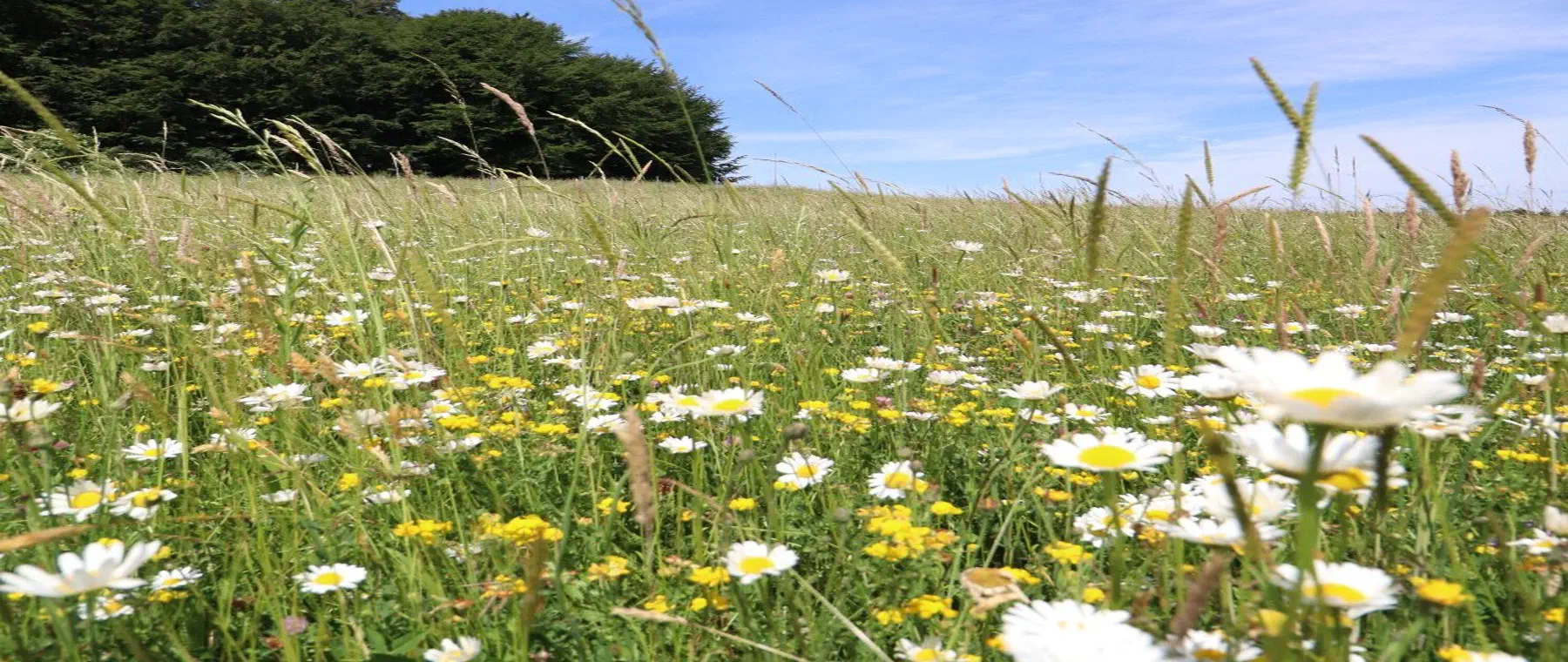
The landscape is shaped by karstified Jurassic limestone. Dry valleys such as Wental, distinctive rock formations and karst springs such as the Brenztopf near Königsbronn characterise the alb. About 43 per cent of the district area is forested.
Ecologically significant are the juniper heaths and calcareous grasslands of the East Alb, the nature reserve Eselsburger Tal with its Brenz loops as well as the EU bird protection area Donauried, an extensive wetland and meadow-breeding bird habitat in the south of the district.
Economically the district is a traditional industrial site with companies such as Voith, Paul Hartmann and BSH household appliances. Business expansions, transport projects and expansion of renewable energies regularly trigger compensation requirements under the impact mitigation regulation (§§ 13 to 15 BNatSchG), which are covered via eco-points under ÖKVO.
🗺️ Associated natural regions
Go to natural region D60 ›
📍 Selected municipalities
🌿 Ecological features
- Nature reserve Eselsburger Tal, Brenz loops and limestone cliffs, part of the Natura 2000 network
- FFH site Giengener Alb and Eselsburger Tal with calcareous grasslands and juniper heaths
- EU bird protection area Donauried, wetland and meadow-breeding bird habitat on the Danube
- Dry valley Wental with distinctive rock formations on Albuch
- Karst spring Brenztopf near Königsbronn and caves such as Charlottenhöhle
- UNESCO World Heritage ice-age caves in Lonetal near Niederstotzingen
✅ greeNature on the ground
greeNature operates nationwide and manages compensation projects across Baden-Württemberg. We know the assessment under the Eco-account Regulation (ÖKVO), naturally region-appropriate land selection on the Swabian Alb and coordination with the lower nature conservation authority at Heidenheim district office from practice.
Typical measures in the district of Heidenheim
Juniper heaths and calcareous grasslands
Restoration and grazing of calcareous grasslands and juniper heaths on the alb plateau through sheep grazing and scrub removal, habitat for thermophilic insects, reptiles and orchids.
Traditional orchards
Creation and management of traditional orchard stands on alb slopes and in valleys, habitat for little owl, wryneck and cavity-dwelling bats.
Wet grassland in Donauried
Extensification and rewetting of grassland in Donauried, promotion of meadow birds such as northern lapwing and curlew and amphibians.
Species protection CEF/FCS
Tailored measures under § 44 BNatSchG, such as bat roosts in buildings and caves, sand lizard habitats on railway embankments and kingfisher steep banks on Brenz and Egau.
Forest conversion and new afforestation
Development of site-appropriate broadleaf mixed forests of beech, oak and hornbeam on limestone weathered soils, upgrading of structurally poor conifer forests.
Hedgerows and habitat networks
Creation of hedgerows, field copses and margins in the cleared field area of the alb plateau as stepping-stone habitats for skylark, brown hare and wild bees.
Protected species in the Eastern Swabian Alb and Brenz Valley
Bats in caves and traditional orchards
The caves and rock crevices of the alb and old fruit trees provide roosts for large mouse-eared bat, Bechstein's bat and whiskered bat. Roost protection and preservation of hunting habitats are typical CEF measures.
About this species ›Meadow birds in Donauried
The EU bird protection area Donauried is a significant habitat for northern lapwing, curlew and snipe. Extensification and rewetting of wet grassland secure breeding populations.
About this species ›Kingfisher and beaver on the Brenz
The near-natural sections of Brenz, Egau and Lone provide habitat for kingfisher and beaver. Steep banks, riverbank restoration and waterbody structures are proven measures.
About this species ›Sand lizard on heaths and railway embankments
Juniper heaths, quarries and railway embankments are core habitats for sand lizard, a frequent target species in infrastructure and business projects. Relocation and habitat enhancement are carried out as advance compensation measures.
About this species ›Amphibians in Alb and fen
Yellow-bellied toad, great crested newt and natterjack toad inhabit ponds, quarries and wetlands of Donauried. New creation of small waterbodies is an effective compensation measure.
About this species ›Skylark on the alb plateau
In the open field area of Albuch and Härtsfeld, the skylark breeds. Lark windows, flower strips and extensive arable margins are typical CEF measures during impacts on agricultural land.
About this species ›Which projects trigger a compensation obligation?
Industry and business
The district is a strong industrial site with companies such as Voith, Paul Hartmann and BSH household appliances. Facility expansions and new business areas in Heidenheim, Giengen and Herbrechtingen regularly create compensation requirements under ÖKVO.
Infrastructure and transport
Expansion of federal and state roads, town bypasses and measures on the Brenz railway trigger compensation and replacement obligations, which must be implemented naturally region-appropriately in the affected area.
Renewable energies
Wind energy on Härtsfeld and the alb plateau as well as free-area photovoltaic installations require nature conservation compensation and species protection assessments, particularly for bats and wind-sensitive bird species.
Settlement development
Residential and business land-use planning in towns and municipalities requires compensation measures. Owners of suitable areas can contribute these as eco-accounts and benefit from assessment in eco-points.
From enquiry to monitoring
Contact and enquiry
Tell us your compensation requirement and the natural region. We check availability.
Offer and advice
A transparent offer covering measure types, scope and availability.
Coordination with authorities
Full coordination with the lower nature conservation authority. We handle everything.
Long-term monitoring
Permanent securing of the land, management and documentation across the contract term.
Eco-points in adjoining districts
All about eco-points
in the district of Heidenheim
Request eco-points in the district of Heidenheim
We will promptly prepare a transparent offer with matching eco-points held in stock in the district of Heidenheim.