Species protection for the Kingfisher
Alcedo atthis
As a strictly protected species, the kingfisher is closely tied to near-natural water bodies with steep banks and clear water. For projects affecting rivers and streams (such as bridge, bank or watercourse works), greeNature solutions plans and delivers the appropriate CEF and FCS measures, from a functional breeding wall through the restoration of bank sections to complete coordination with the authorities in accordance with the BayKompV.
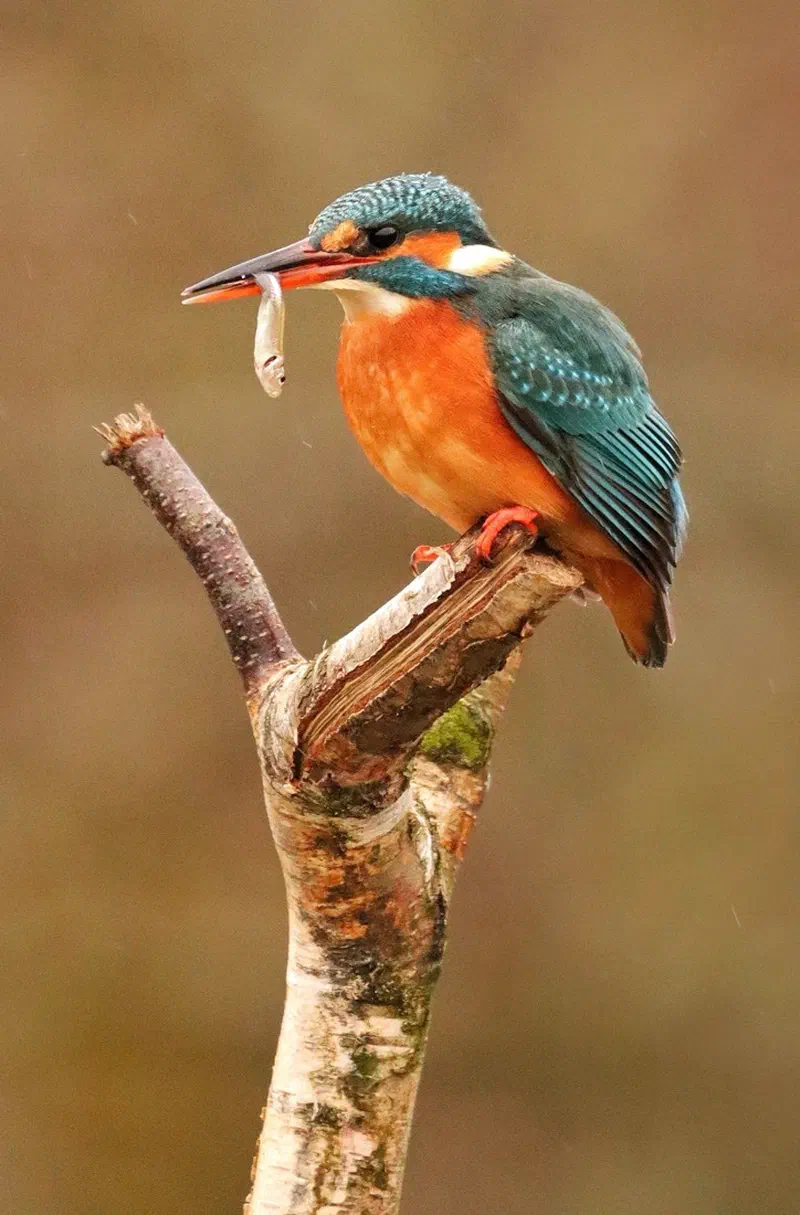
The Kingfisher at a glance
- Habitat: Near-natural, clear running and standing waters with a stock of small fish, steep banks and perches
- Red List: threatened in Bavaria (RL 3), not threatened in Germany
- Population in Bavaria: roughly 1,600 to 2,200 breeding pairs, trend stable
- Protection status: strictly protected under § 44 BNatSchG, Annex I of the EU Birds Directive
- Typical measure: Creation of steep banks and nesting tubes, restoration of bank sections
Typical protective measures for the Kingfisher
Creating steep banks and nesting burrows
Creation of near-natural steep banks on outer river bends, or construction of artificial breeding walls with pre-formed nesting burrows. The walls are set sufficiently high above mean water level, consist of diggable, loamy-sandy substrate and are permanently kept free of obstructive vegetation.
Removing bank reinforcement
Removing bank reinforcement and allowing natural dynamic erosion, so that natural eroding edges and steep banks can form again. This secures suitable breeding habitats along the watercourse in the long term.
Enhancing foraging habitat
Developing clear watercourse sections rich in small fish by improving water body structure and water quality. An adequate food supply is a precondition for the newly created breeding habitats to fulfil their function.
Bankside vegetation and perches
Planting and retaining site-appropriate bankside vegetation and overhanging branches to provide cover and hunting perches. Where needed, firmly anchored perches supplement the supply of vantage points along the watercourse.
Construction timing and nest site protection
Timing construction work around the breeding period from around March to September, to avoid disturbing occupied steep banks. CEF measures are scheduled so that they are functional before the project intervention and the continuous ecological function of the breeding site is maintained.
The Kingfisher in these natural regions
All about the Kingfisher
Request protective measures for the Kingfisher
We plan and deliver the right CEF or FCS measure for the Kingfisher in your project.